

Winemaker Notes
Professional Ratings
-
Wilfred Wong of Wine.com
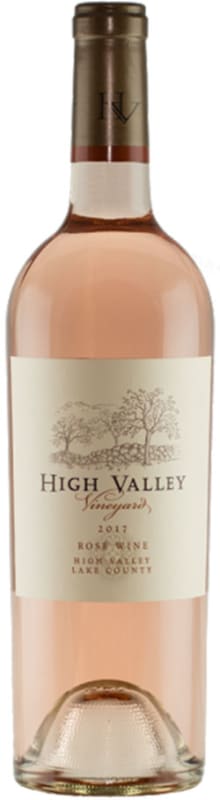
COMMENTARY: There used to be the adage, "Rosés go with everything, including being served in place of soft drinks." That was when many of the world's pink wines were candied sweet and thanks to the white Zinfandel craze that went out of control, sugar was the category's reason to be. While classic French rosés were dry, the New World blush wines defined the category. The 2017 High Valley Vineyard Rosé takes the discussion into the direction that pink wines are not just pretty, but beautiful and delectable with meals. TASTING NOTES: This wine—a blend of Grenache, Syrah, Cinsault, and Mourvèdre is bright with lovely red fruits and tangy on the palate with excellent acidity. Pair its crisp finish with baked chicken over a bed of risotto. (Tasted: April 18, 2018, San Francisco, CA)


Whether it’s playful and fun or savory and serious, most rosé today is not your grandmother’s White Zinfandel, though that category remains strong. Pink wine has recently become quite trendy, and this time around it’s commonly quite dry. Since the pigment in red wines comes from keeping fermenting juice in contact with the grape skins for an extended period, it follows that a pink wine can be made using just a brief period of skin contact—usually just a couple of days. The resulting color depends on grape variety and winemaking style, ranging from pale salmon to deep magenta.

Sitting on the northeast side of the Clear Lake appellation, this warm area boasts multiple soil types that allow growers a lot of flexibility and experimentation with grape varieties. While Sauvignon blanc is a mainstay, this zone excels with Zinfandel, Petite Sirah, as well as other less common varieties like Barbera and Tempranillo.