


Winemaker Notes
Blend: 53% Cabernet Sauvignon, 47% Shiraz
Professional Ratings
-
Australian Wine Companion
A nod to the Australian archetype with cabernet leading the way at 53% of the blend; yields oscillating across blocks between 3–5t/ha. Minimal messing about and assiduous attention to detail, as always. The shiraz adds sweetness and breadth to the Bordelais' austerity, imparting black plum, iodine, lilac and anise. The cabernet, clearly the authority with its chiselled countenance of currant, graphite and sage. A delicious meld. Sumptuous without being jammy. Taut, without being hollow. Extremely long.
-
Wine Spectator
Delivers a gorgeous, generous mix of velvety dark chocolate-covered cherry, red licorice and mocha as well as hints of fresh mint, huckleberry and boysenberry at the core. This wine's power is matched by refinement and a long, expressive finish, where spicy notes linger. Cabernet Sauvignon and Shiraz. Drink now through 2035
-
Robert Parker's Wine Advocate
2019 was a warm vintage in South Australia. It was a drought vintage as well, and the wine is so dark and dense. I was about to attribute this character the vintage, then winemaker Chris Carpenter reminded me that this was the year that the late Yangarra winemaker Pete Fraser made very specific winemaking decisions in the winery regarding his vision for the tannins. This is substantial, grainy and layered with black fruit and exotic spices. The 2019 The Peake Cabernet Shiraz comprises 53% Cabernet Sauvignon and the balance Shiraz. The 2019 was blended right on the cusp of the COVID-19 lockdowns in 2020. 14.5% alcohol.
-
Wine Enthusiast
A glossy, vanilla-and-spiced oak sentinel stands guard over this Cab-Shiraz blend from a top McLaren Vale vineyard. It's not wholly intrusive, but it makes itself known, as do the characteristics of supple dark berry fruit and chocolate with undertones of mint and spice. The palate is equally rich and broad shouldered, with plump, concentrated fruit and spicy, powerful but well-placed tannins. An infant now, it should age gracefully and slowly. Drink 2024 until well into the 2030s.
Cellar Selection


With hundreds of red grape varieties to choose from, winemakers have the freedom to create a virtually endless assortment of blended red wines. In many European regions, strict laws are in place determining the set of varieties that may be used, but in the New World, experimentation is permitted and encouraged resulting in a wide variety of red wine styles. Blending can be utilized to enhance balance or create complexity, lending different layers of flavors and aromas. For example, a red wine blend variety that creates a fruity and full-bodied wine would do well combined with one that is naturally high in acidity and tannins. Sometimes small amounts of a particular variety are added to boost color or aromatics. Blending can take place before or after fermentation, with the latter, more popular option giving more control to the winemaker over the final qualities of the wine.
How to Serve Red Wine
A common piece of advice is to serve red wine at “room temperature,” but this suggestion is imprecise. After all, room temperature in January is likely to be quite different than in August, even considering the possible effect of central heating and air conditioning systems. The proper temperature to aim for is 55° F to 60° F for lighter-bodied reds and 60° F to 65° F for fuller-bodied wines.
How Long Does Red Wine Last?
Once opened and re-corked, a bottle stored in a cool, dark environment (like your fridge) will stay fresh and nicely drinkable for a day or two. There are products available that can extend that period by a couple of days. As for unopened bottles, optimal storage means keeping them on their sides in a moderately humid environment at about 57° F. Red wines stored in this manner will stay good – and possibly improve – for anywhere from one year to multiple decades. Assessing how long to hold on to a bottle is a complicated science. If you are planning long-term storage of your reds, seek the advice of a wine professional.
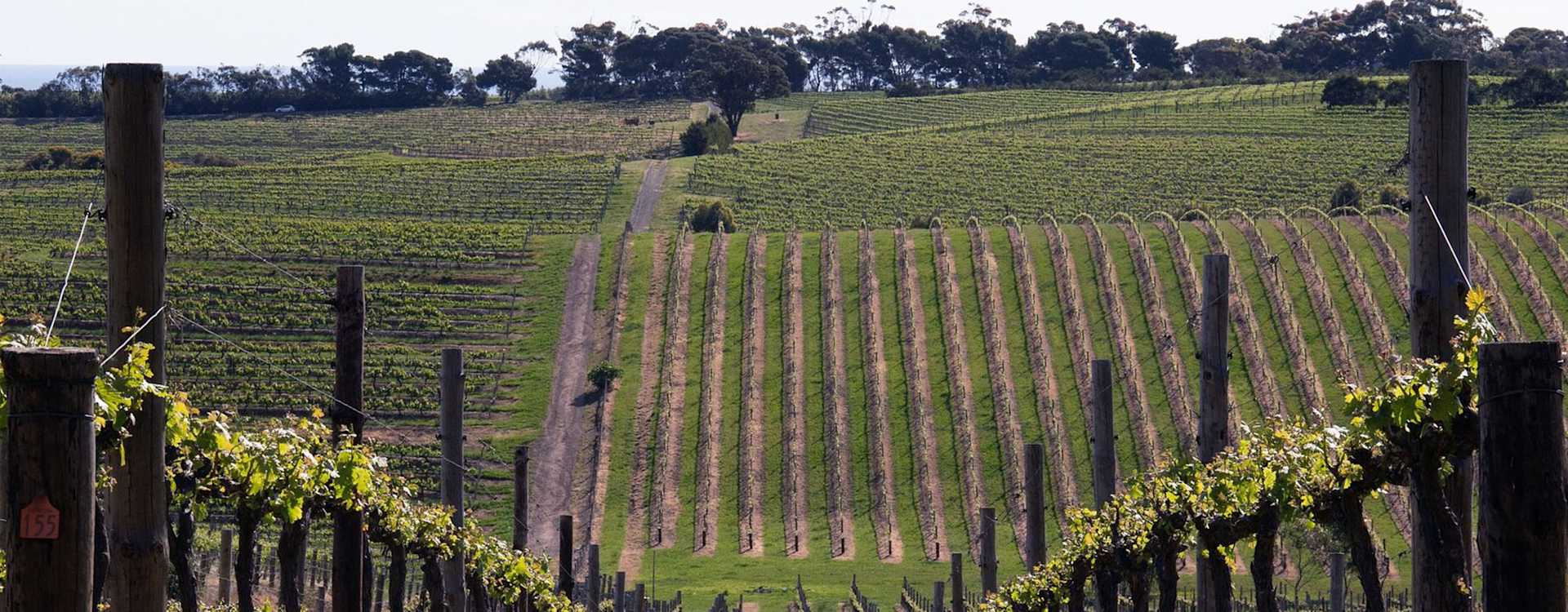
Known for opulent red wines with intense power and concentration, McLaren Vale is home to perhaps the most “classic” style of Australian Shiraz. Vinified on its own or in Rhône Blends, these hot-climate wines are deeply colored and high in extract with signature hints of dark chocolate and licorice. Cabernet Sauvignon is also produced in a similar style.
Whites, often made from Chardonnay or Sauvignon Blanc tend to be opulent and full of tropical, stone and citrus fruit.