
Winemaker Notes
Professional Ratings
-
Wilfred Wong of Wine.com
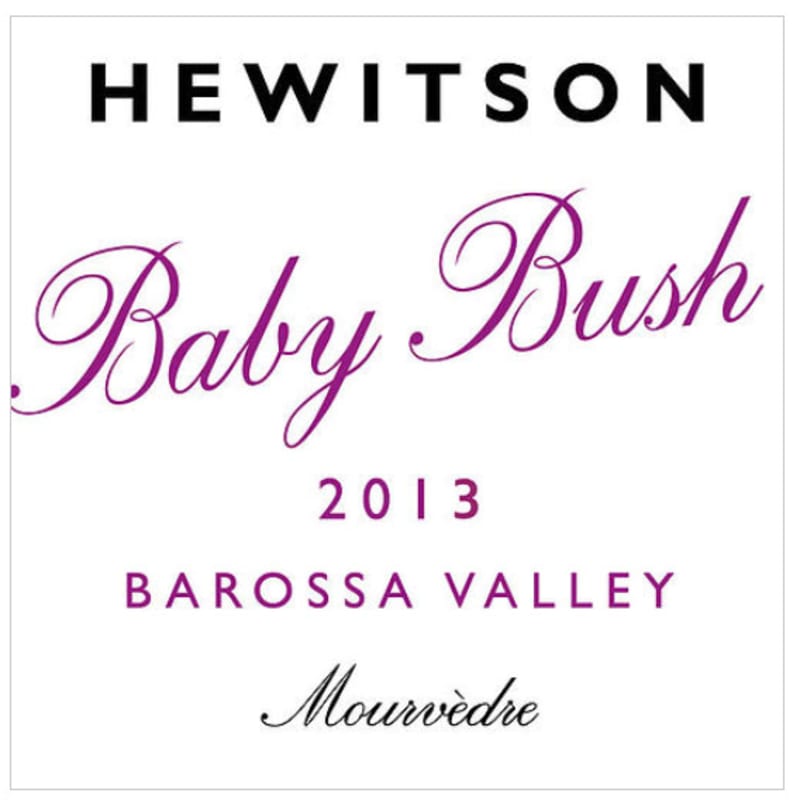
Mourvèdre (aka: Mataro) is a grape variety that many wine drinkers have never thought about or knowingly experienced—the grape often finds itself in mixed red wine blends from the southern part of France, as well as Australia and other parts of the New World. Fortunately for those who are interested in exploring this variety, the 2013 Hewitson Baby Bush Mourvèdre exemplifies its best attributes. Showing ripe fruit, dried leaves and savory herbs in the nose, the wine arrives onto the palate with an almost tender touch. While there is plenty of richness and sweet tannins on the palate, the wine stays smooth and approachable to the finish. Drinks well now and will get a shade better with a few years. (Tasted: June 30, 2016, San Francisco, CA)


Full of ripe fruit, and robust, earthy goodness, Mourvèdre is actually of Spanish provenance, where it still goes by the name Monastrell or Mataro. It is better associated however, with the Red Blends of the Rhône, namely Chateauneuf-du-Pape. Mourvèdre shines on its own in Bandol and is popular both as a single varietal wine in blends in the New World regions of Australia, California and Washington. Somm Secret—While Mourvèdre has been in California for many years, it didn’t gain momentum until the 1980s when a group of California winemakers inspired by the wines of the Rhône Valley finally began to renew a focus on it.

Historically and presently the most important wine-producing region of Australia, the Barossa Valley is set in the Barossa zone of South Australia, where more than half of the country’s wine is made. Because the climate is very hot and dry, vineyard managers work diligently to ensure grapes reach the perfect levels of phenolic ripeness.
The intense heat is ideal for plush, bold reds, particularly Shiraz on its own or Rhône Blends. Often Shiraz and Cabernet partner up for plump and powerful reds.
While much less prevalent, light-skinned varieties such as Riesling, Viognier or Semillon produce vibrant Barossa Valley whites.
Most of Australia’s largest wine producers are based here and Shiraz plantings date back as far as the 1850s or before. Many of them are dry farmed and bush trained, still offering less than one ton per acre of inky, intense, purple juice.