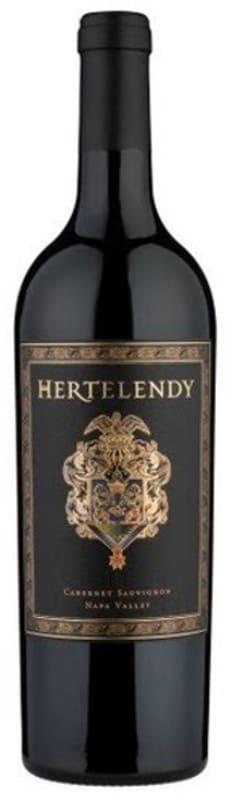


Winemaker Notes
This refined Cabernet Sauvignon combines bold, mountainside structure with ethereal finesse, purity, and sophistication. Intense aromas of dark cherry liqueur, blackcurrant, wild boysenberry, and ripe apricots are intricately laced with notes of anise, crème de cassis, graphite, espresso crème brûlée, and a touch of cocoa powder. The incredibly dense palate offers an elegant, velvety mouth feel, which culminates beautifully with pitch-perfect acidity, balance, and luxurious opulence. The complex array of these exotic nuances continue to evolve within the textural expansiveness, resulting in a long lasting climax, and a full expression of modern style Cabernet which is sure to intrigue the senses.
Blend: 76% Cabernet Sauvignon, 11% Petit Verdot, 7% Merlot, 5% Malbec, 1% Cabernet Franc
Professional Ratings
-
Robert Parker's Wine Advocate
The 2014 Cabernet Sauvignon, which is 76% Cabernet Sauvignon, 11% Petit Verdot, and the rest Merlot, Malbec and Cabernet Franc, was aged 23 months in French oak. It has an opaque purple/black color and rich crème de cassis and blackberry fruit as well as some charcoal and graphite. Full-bodied, impressive, and a truly compelling example of Cabernet Sauvignon, this should hit its stride in another 4-5 years and last for three decades or more. It is extra special, but be forewarned – the bottle might be the heaviest bottle I’ve ever picked up during a tasting, so if you have shoulder issues, caveat emptor.
-
James Suckling
Aromas of blueberries, tree bark and spices follow through to a full body, velvety tannins and a flavorful finish. Yet stays in reserve and focus. Better in 2019.
-
Wine Enthusiast
This blends in 11% Petit Verdot, 7% Merlot, 5% Malbec and 1% Cabernet Franc, the whole aged nearly two years in 90% new French oak. Brawny in leather saddle, clove, dark chocolate and a substantial backbone of dense tannin, it's also rounded and fleshy in black cherry and cassis, with fresh, focused acidity.


One of the most prestigious wines of the world capable of great power and grace, Napa Valley Cabernet is a leading force in the world of fine, famous, collectible red wine. Today the Napa Valley and Cabernet Sauvignon are so intrinsically linked that it is difficult to discuss one without the other. But it wasn’t until the 1970s that this marriage came to light; sudden international recognition rained upon Napa with the victory of the Stag’s Leap Wine Cellars 1973 Cabernet Sauvignon in the 1976 Judgement of Paris.
Cabernet Sauvignon undoubtedly dominates Napa Valley today, covering half of the land under vine, commanding the highest prices per ton and earning the most critical acclaim. Cabernet Sauvignon’s structure, acidity, capacity to thrive in multiple environs and ability to express nuances of vintage make it perfect for Napa Valley where incredible soil and geographical diversity are found and the climate is perfect for grape growing. Within the Napa Valley lie many smaller sub-AVAs that express specific characteristics based on situation, slope and soil—as a perfect example, Rutherford’s famous dust or Stags Leap District's tart cherry flavors.