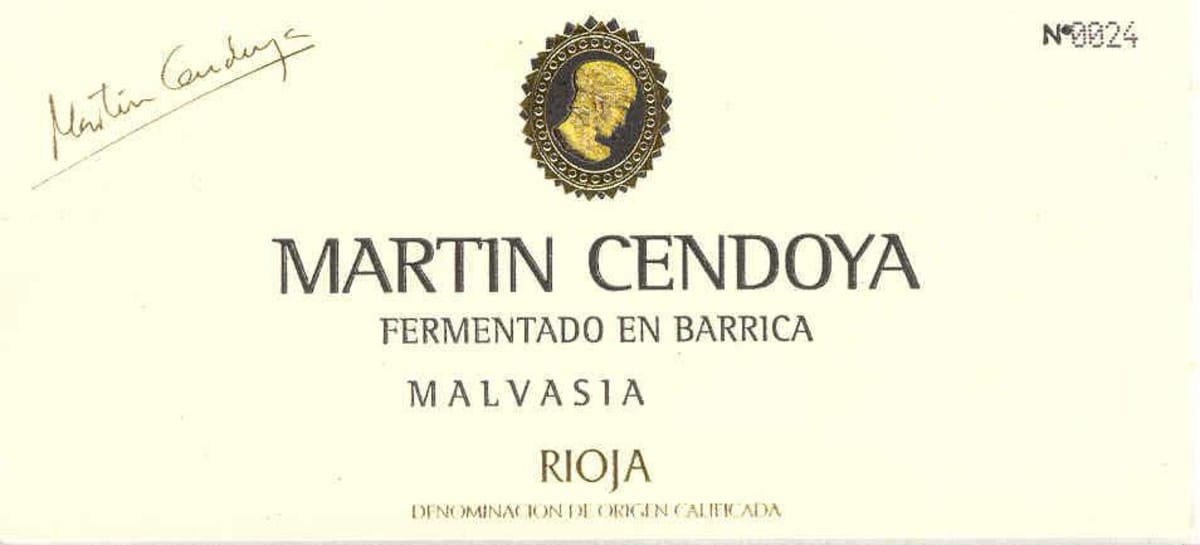

Winemaker Notes


Persistent with jasmine aromas and tropical fruit flavors, both grape and name are far-reaching. Approximately 70 registered grapes contain Malvasia as part of their name or are listed as a synonym. The French call it Malvoisie, Germans call it Malvasier, British say Malmsey and confusingly one variety double-times under the alias, Boal, on the island of Madeira. In any case, Italy has more forms of Malvasia than any other country: Malvasia Bianca di Candia, Malvasia di Candia Aromatico and the red-skinned Malvasia di Casorzo from Piedmont. The list goes on. Somm Secret—The actual name could stem from an Italian mispronunciation of Monemvasia, a southern Greek port.

Highly regarded for distinctive and age-worthy red wines, Rioja is Spain’s most celebrated wine region. Made up of three different sub-regions of varying elevation: Rioja Alta, Rioja Alavesa and Rioja Oriental. Wines are typically a blend of fruit from all three, although specific sub-region (zonas), village (municipios) and vineyard (viñedo singular) wines can now be labeled. Rioja Alta, at the highest elevation, is considered to be the source of the brightest, most elegant fruit, while grapes from the warmer and drier Rioja Oriental produce wines with deep color and higher alcohol, which can add great body and richness to a blend.
Fresh and fruity Rioja wines labeled, Joven, (meaning young) see minimal aging before release, but more serious Rioja wines undergo multiple years in oak. Crianza and Reserva styles are aged for one year in oak, and Gran Reserva at least two, but in practice this maturation period is often quite a bit longer—up to about fifteen years.
Tempranillo provides the backbone of Rioja red wines, adding complex notes of red and black fruit, leather, toast and tobacco, while Garnacha supplies body. In smaller percentages, Graciano and Mazuelo (Carignan) often serve as “seasoning” with additional flavors and aromas. These same varieties are responsible for flavorful dry rosés.
White wines, typically balancing freshness with complexity, are made mostly from crisp, fresh Viura. Some whites are blends of Viura with aromatic Malvasia, and then barrel fermented and aged to make a more ample, richer style of white.