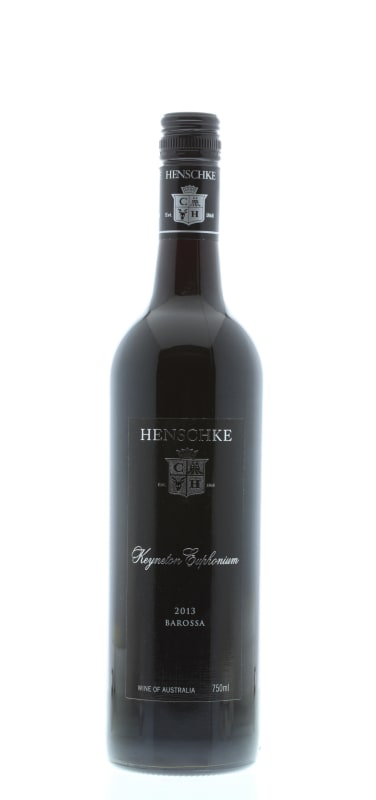


Winemaker Notes
Blend: 45% Shiraz, 36% Cabernet Sauvignon, 17% Merlot, 2% Cabernet Franc
Professional Ratings
-
Decanter
Delicious herbal character to the nose, dark cherry, graphite and a mushroom savouriness. Great complexity to the palate, fresh oak nuances and lovely long finish.
-
Wine Enthusiast
It's nice to see the quality of this wine reach new heights, as it's still relatively affordable within the Henschke context. The blend includes Shiraz, Cabernet Sauvignon, Merlot and Cabernet Franc. The 2013 shows a slightly austere side, an aristocratic reserve, but the flavors are classic. Pencil shavings, mint, cassis and cigar box finish with great drive, length and dusty tannins. Drink 2023–2035.
-
James Suckling
Blackberry, cassis, redcurrant, cherry, blueberry and plum fruits on the nose. The palate has effortless appeal, and tannins are fresh. Blackberry, mocha and a tarry, savory and stony edge. Drink now through to 2025+. Screw cap. A blend of shiraz, merlot, cabernet sauvignon and cabernet franc.
-
Robert Parker's Wine Advocate
Henschke's 2013 Keyneton Euphonium is deep garnet-purple in color and exudes lovely, expressive blackberries and cherries on the nose, with menthol, pepper, anise and cloves—plus a waft of fragrant earth. A full, rich and concentrated blend, with firm and grainy tannins, this wine is well balanced and possesses great structure. Rating: 92+
-
Wine & Spirits
Though franc makes up only a small portion of this blend, it points up the green herb notes in the wine. Shiraz, the dominant factor in combination with cabernet sauvignon and merlot, brings meatiness and a sweet, sanguine note. Overall, the wine captures the coolness of the high Eden Valley, presenting its flavors with cleanness and grace. For a hanger steak.
-
Wine Spectator
Supple and elegant, with a mix of black olive, sage and berry flavors. The spice and licorice notes have an effortlessness and seamlessness about them. Lingering finish. Shiraz, Cabernet Sauvignon, Merlot and Cabernet Franc. Drink now through 2026.


With hundreds of red grape varieties to choose from, winemakers have the freedom to create a virtually endless assortment of blended red wines. In many European regions, strict laws are in place determining the set of varieties that may be used, but in the New World, experimentation is permitted and encouraged resulting in a wide variety of red wine styles. Blending can be utilized to enhance balance or create complexity, lending different layers of flavors and aromas. For example, a red wine blend variety that creates a fruity and full-bodied wine would do well combined with one that is naturally high in acidity and tannins. Sometimes small amounts of a particular variety are added to boost color or aromatics. Blending can take place before or after fermentation, with the latter, more popular option giving more control to the winemaker over the final qualities of the wine.
How to Serve Red Wine
A common piece of advice is to serve red wine at “room temperature,” but this suggestion is imprecise. After all, room temperature in January is likely to be quite different than in August, even considering the possible effect of central heating and air conditioning systems. The proper temperature to aim for is 55° F to 60° F for lighter-bodied reds and 60° F to 65° F for fuller-bodied wines.
How Long Does Red Wine Last?
Once opened and re-corked, a bottle stored in a cool, dark environment (like your fridge) will stay fresh and nicely drinkable for a day or two. There are products available that can extend that period by a couple of days. As for unopened bottles, optimal storage means keeping them on their sides in a moderately humid environment at about 57° F. Red wines stored in this manner will stay good – and possibly improve – for anywhere from one year to multiple decades. Assessing how long to hold on to a bottle is a complicated science. If you are planning long-term storage of your reds, seek the advice of a wine professional.

The Barossa Zone encompasses the Barossa Valley and Eden Valley. Some of the oldest vines in Australia can be found here.
Barossa Valley of course is the most important and famous wine growing region in all of Australia where 140+ year-old, dry-farmed Shiraz vines still produce inky, purple and dense juice for some of Australia's best wines.
In the cooler, wetter Eden Valley sub-region, the Hill of Grace vineyard is home to famous Shiraz vines from the 1800s but the region produces also some of Australia’s very best and age-worthy Rieslings.