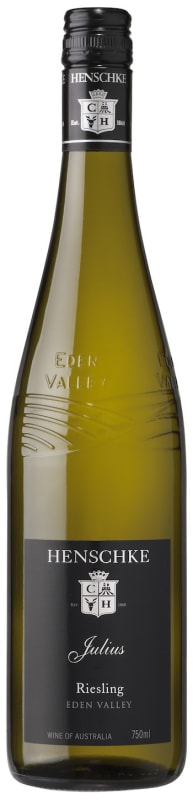


Winemaker Notes
Professional Ratings
-
James Suckling
A very attractive, floral, lemon and white stone-fruit riesling with a vibrant and succulent feel to the lightly chalky palate. There’s a lot of energy and brightness here. Very approachable now.
-
Wine Enthusiast
This vintage is richly scented, offering a heady mix of citrus, flowers and baking spice, with a slightly toasted, honeyed note at the back. The palate is smudged with warm stone mineral notes, showing purity, vibrancy and freshness. Drink now with delicate summer fare, or cellar for more complexity until 2030 or beyond.
-
Wilfred Wong of Wine.com
COMMENTARY: The 2018 Henschke Julius Riesling is a palate-pleasing, rewarding wine. TASTING NOTES: This wine exhibits great length and style. Its aromas of petrol, flowers, and dried apple stay non-stop on the palate. Pair it with steamed Dungeness crab and fresh ginger medallions. (Tasted: September 24, 2019, San Francisco, CA)
-
Robert Parker's Wine Advocate
The tart, steely 2018 Julius Riesling combines hints of lime and green apple with a dry, tongue-on-steel feel. It's lively despite the austerity, light-bodied and taut, needing some oysters as accompaniment or, if you prefer aged Aussie Riesling, a good 5-8 years in the cellar to round out.


Riesling possesses a remarkable ability to reflect the character of wherever it is grown while still maintaining its identity. A regal variety of incredible purity and precision, this versatile grape can be just as enjoyable dry or sweet, young or old, still or sparkling and can age longer than nearly any other white variety. Somm Secret—Given how difficult it is to discern the level of sweetness in a Riesling from the label, here are some clues to find the dry ones. First, look for the world “trocken.” (“Halbtrocken” or “feinherb” mean off-dry.) Also a higher abv usually indicates a drier Riesling.
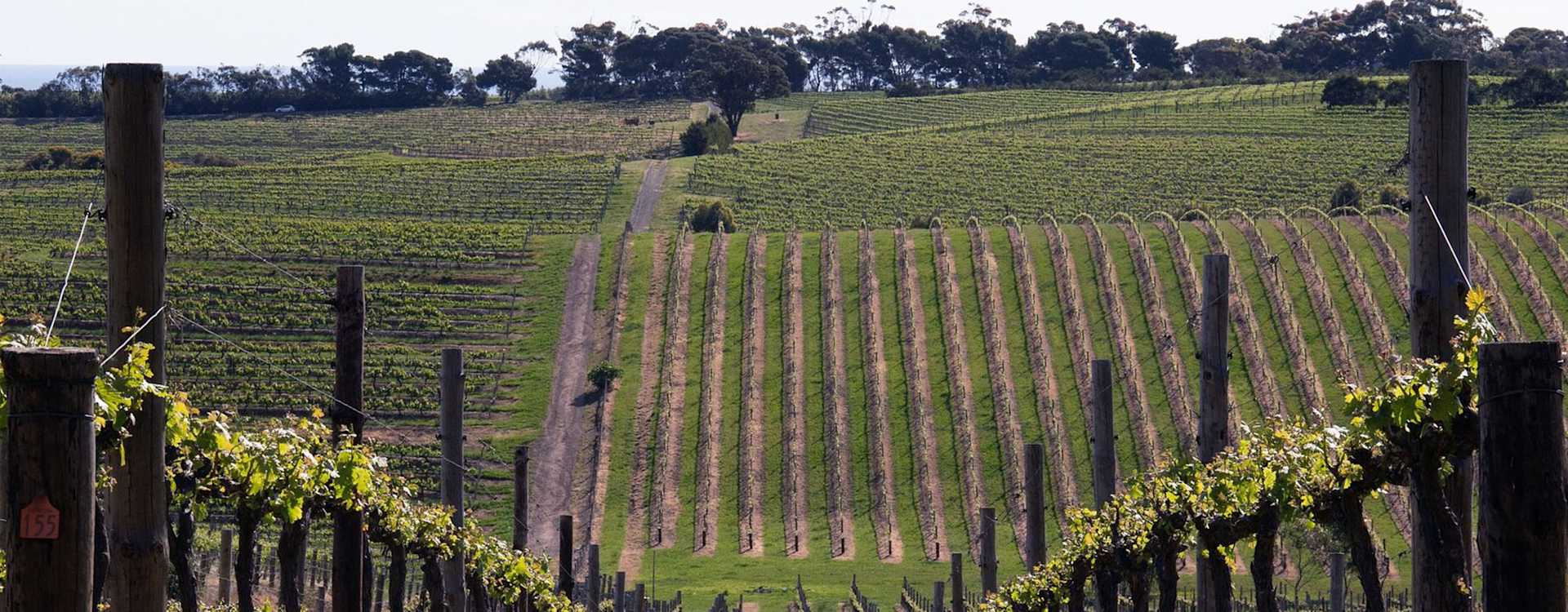
Higher in elevation and topographically more dramatic than the Barossa Valley floor, Eden Valley abuts it to its south and east. While it is a bit of an extension of Barossa, Eden Valley is topographically different than the pastoral Barossa Valley, and is composed of rocky hills and eucalyptus groves.
Recognizing Eden Valley’s potential with Riesling in the 1960s and 70s, producers started to move their Riesling production from Barossa to these better sites where schist soils on hilltops would produce more steely, tart and age-worthy examples. A most famous site, planted by Colin Gramp, called Steingarten, today produces one of the most outstanding Australian Rieslings. Youthful Eden Valley Rieslings express floral, grapefruit and mineral, while with time in the bottle, they become increasingly toasty and complex.
Riesling isn’t the only grape the region can grow; undeniably at lower altitudes Shiraz does very well. Mount Edelstone is a notable vineyard as well as the Hill of Grace, which boasts healthy Shiraz vines well over 100 years old. This is the only Australian region where Merlot has a made a name for itself and Chardonnay can be spectacular, particularly from the High Eden subregion in the southern valley.