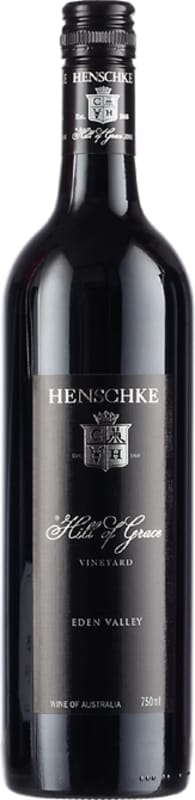


Winemaker Notes
Professional Ratings
-
James Suckling
A dry season with reduced yields, but all the DNA is here with a rich array of baking spices permeating ripe blackberries, red berries and plums. Chocolate, plum cake, currants, freshly turned and loamy earth and dried sage leaves, too. Very complex. The palate's smoothly arranged around the fine, long tannins that carry a concentrated core of blackberries, tarry, dark stony flavors, ripe blood plums and a long trail of deeply spicy warmth through the finish. Hints of mocha and expresso to close. Elegant, complex and complete. This is very approachable now. Typically though, it's a wine that is best drunk at 20 or more years from vintage.
-
Robert Parker's Wine Advocate
Another terrific HoG, the 2013 Hill of Grace Shiraz is dense and rich, thickly concentrated and full-bodied yet not heavy or bulky in the slightest. It's kept lively through a fine dusting of savory spices—allspice, clove, star anise—and juicy, mouthwatering acids, which support the blackberry and plum fruit. The finish, framed by softly dusty and supple tannins, suggests a wine capable of at least two decades of positive evolution.
-
Wine Enthusiast
Despite the hot, early 2013 harvest, Australia’s most famous single-vineyard wine is once again a thing of beauty. The nose croons to a medley of ripe red berries and plums followed by eucalyptus, black pepper, pencil lead on a core of damp earth and iodine. The palate slinks with a satiny texture and primary fruit. Charred wood, leather and graphite are knit together with threads of fine, silky tannins. The finish is long, tangy and a touch savory. In this historic producer’s signature style, power and elegance reside seamlessly beside one another. (Cellar Selection)
-
Wine Spectator
Elegant and refined, but still showing a succulent side, featuring creamy notes of maraschino cherry, raspberry coulis and fresh pomegranate at the core. Accents of sage, tobacco and espresso come in on the finish. Expressive and generous, with polished, lithe tannins. Drink now through 2030.


Marked by an unmistakable deep purple hue and savory aromatics, Syrah makes an intense, powerful and often age-worthy red. Native to the Northern Rhône, Syrah achieves its maximum potential in the steep village of Hermitage and plays an important component in the Red Rhône Blends of the south, adding color and structure to Grenache and Mourvèdre. Syrah is the most widely planted grape of Australia and is important in California and Washington. Sommelier Secret—Such a synergy these three create together, the Grenache, Syrah, Mourvedre trio often takes on the shorthand term, “GSM.”
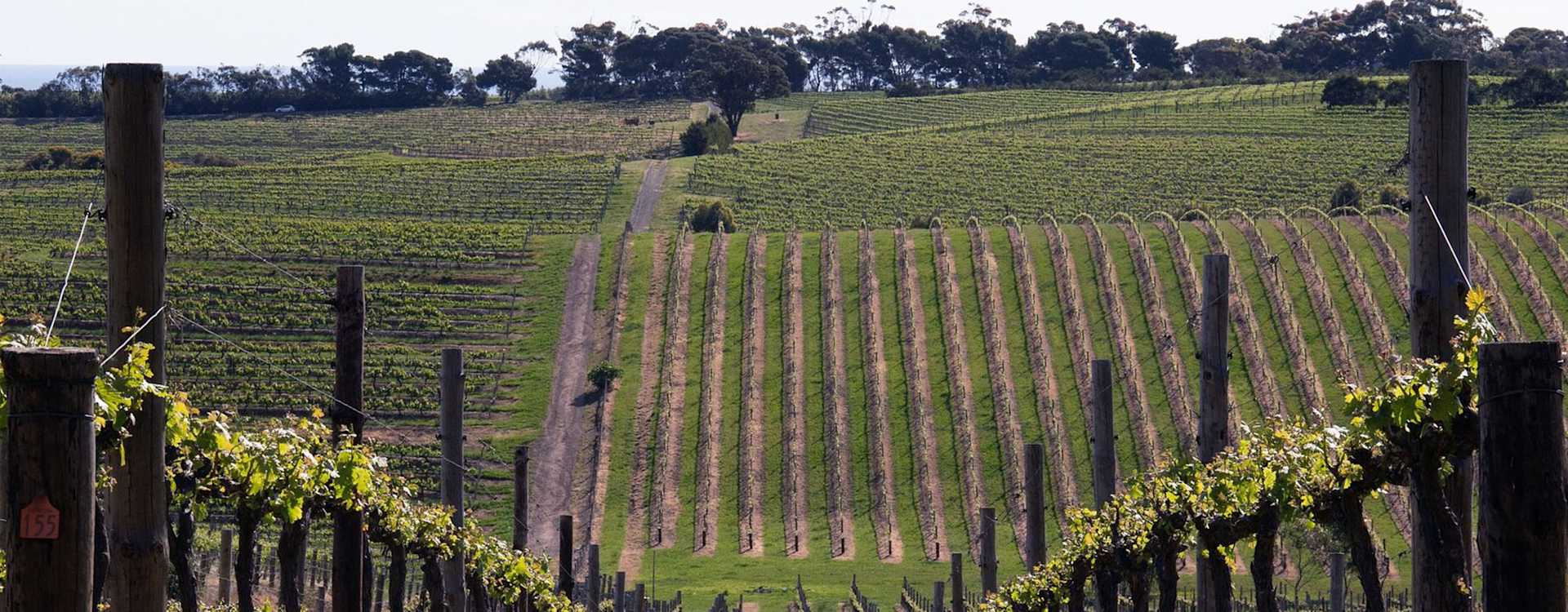
Higher in elevation and topographically more dramatic than the Barossa Valley floor, Eden Valley abuts it to its south and east. While it is a bit of an extension of Barossa, Eden Valley is topographically different than the pastoral Barossa Valley, and is composed of rocky hills and eucalyptus groves.
Recognizing Eden Valley’s potential with Riesling in the 1960s and 70s, producers started to move their Riesling production from Barossa to these better sites where schist soils on hilltops would produce more steely, tart and age-worthy examples. A most famous site, planted by Colin Gramp, called Steingarten, today produces one of the most outstanding Australian Rieslings. Youthful Eden Valley Rieslings express floral, grapefruit and mineral, while with time in the bottle, they become increasingly toasty and complex.
Riesling isn’t the only grape the region can grow; undeniably at lower altitudes Shiraz does very well. Mount Edelstone is a notable vineyard as well as the Hill of Grace, which boasts healthy Shiraz vines well over 100 years old. This is the only Australian region where Merlot has a made a name for itself and Chardonnay can be spectacular, particularly from the High Eden subregion in the southern valley.