


Winemaker Notes
Pale gold in color. Pure yellow pear, white peach, and melon aromas, with hints of tropical fruit, clove, vanilla, and creamy cashew and hazelnut. A complex palate of concentrated ripe yellow pear, white peach, stone-fruit, and clove spice flavors are complemented by lush, textural layers of intense ripe nectarine acidity, and extraordinary balance, for a long, clean finish.
Professional Ratings
-
James Suckling
A cooler vintage has delivered a rich and complex chardonnay with such supple, fine, layered white peaches and grilled hazelnuts on the palate. Peach-sorbet-like texture that’s compact and long. Excellent purity and poise.
-
Wine Enthusiast
This vintage of Henschke’s Adelaide Hills Chard is a bit reductive and flinty at the moment. Grapefruit and salty characters lurk beneath. It’s the palate that wins you over, although it needs air as well. A tightrope walk of gravelly texture, crystalline acidity, salty and stony minerality, and yeasty orchard fruit and citrus, this is clearly meant for the dinner table or the cellar.
-
Robert Parker's Wine Advocate
Delicate scents of toasted grain and white peaches mark the nose of the 2017 Croft Chardonnay. On the palate, it's medium-bodied, tart and even a bit austere, with notes of underripe peaches and green plums that turn citrusy on the long finish. While not very generous at the moment, it's tightly wound and should blossom in another year or two, then drink well for 6-7 years.


One of the most popular and versatile white wine grapes, Chardonnay offers a wide range of flavors and styles depending on where it is grown and how it is made. While it tends to flourish in most environments, Chardonnay from its Burgundian homeland produces some of the most remarkable and longest lived examples. California produces both oaky, buttery styles and leaner, European-inspired wines. Somm Secret—The Burgundian subregion of Chablis, while typically using older oak barrels, produces a bright style similar to the unoaked style. Anyone who doesn't like oaky Chardonnay would likely enjoy Chablis.
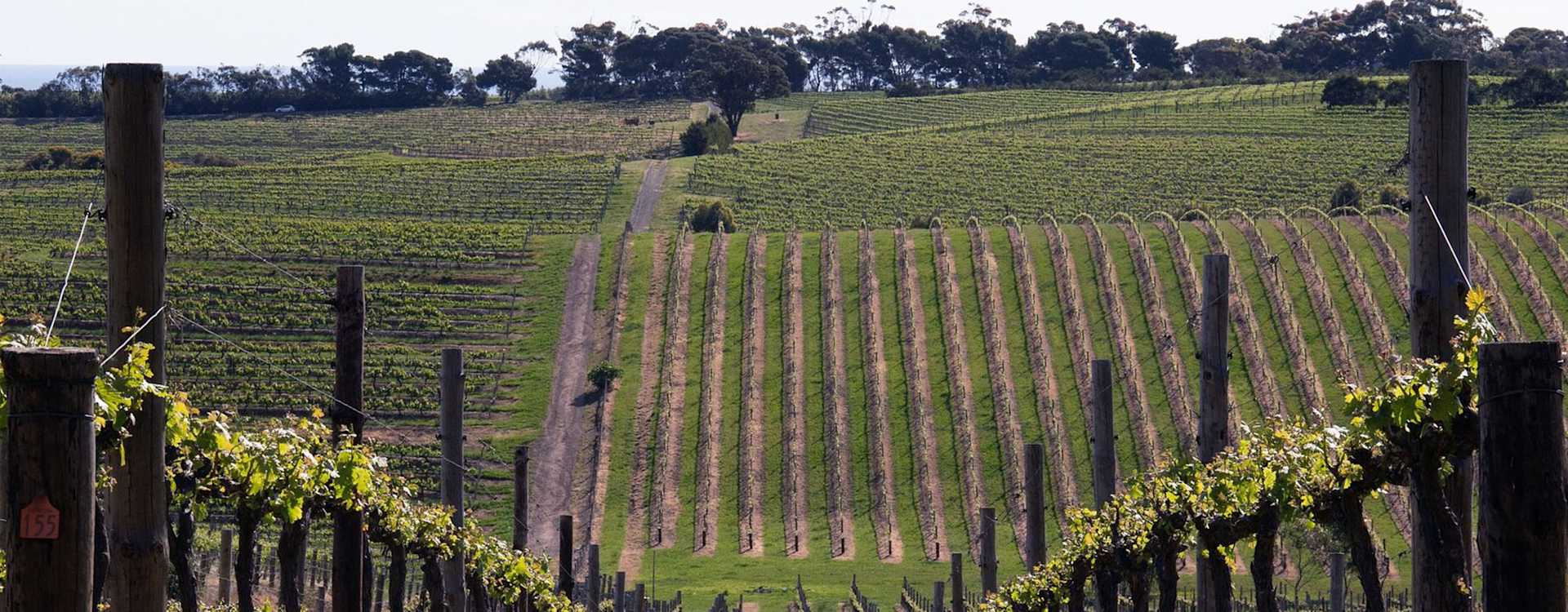
A narrow band of hills and valleys east of the city of Adelaide, the Adelaide Hills region is a diverse landscape featuring a variety of microclimates. In general it is moderate with high-altitude areas cooler and wetter compared to its warmer, lower areas.
Piccadilly Valley, the part of Adelaide Hills closest to the city, was first staked out by a grower named Brian Croser, in the 1970s for a cool spot to grow Chardonnay, then uncommon in Australia. Today a good amount of the Chardonnay goes to winemakers outside of the region.
Producers here experiment with other cool-climate loving aromatic varieties like Pinot Gris, Viognier and Riesling. Charming sparkling wine is also possible. On its north side, lower, west-facing slopes make full-bodied Shiraz.