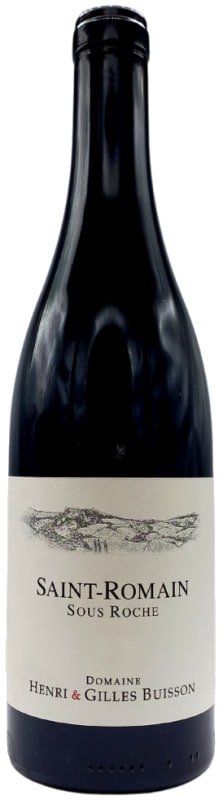


Winemaker Notes
This vineyard planted to Pinot Noir faces the "Sous la Velle" vineyard on the opposite side of the valley, on similarly steep slopes. The soil of this lieu-dit is a mix of limestone and marne. The vines are planted to a density of 10,000 per hectare. The grapes, harvested manually, are destemmed to 90% and the wine is aged in barrel for a twelve month period. The Pinot vines in "Sous Roche" are of an average age of 50 years with low yields and excellent concentration. There is great purity to this organically grown fruit and the ultimate wine is somewhat rustic in nature with notes of wild red fruits in the nose and flavors.
Professional Ratings
-
Jasper Morris
Noticeably fuller purple and a little more body to the bouquet, thus more in fruit than flowers. Clearly more density here, then a mix of white pepper from the whole bunch and the marginal ripeness of the vintage. Finishes very well for all that.
Barrel Sample: 88-91 -
Robert Parker's Wine Advocate
The Buisson brothers' finest red this year is the 2021 Saint-Romain Sous Roches, a medium to full-bodied, fleshy and supple wine evocative of plums, raspberries and rose petals. With attractive purity and depth of fruit, this represents a particular success in this more challenging year.


Thin-skinned, finicky and temperamental, Pinot Noir is also one of the most rewarding grapes to grow and remains a labor of love for some of the greatest vignerons in Burgundy. Fairly adaptable but highly reflective of the environment in which it is grown, Pinot Noir prefers a cool climate and requires low yields to achieve high quality. Outside of France, outstanding examples come from in Oregon, California and throughout specific locations in wine-producing world. Somm Secret—André Tchelistcheff, California’s most influential post-Prohibition winemaker decidedly stayed away from the grape, claiming “God made Cabernet. The Devil made Pinot Noir.”

A classic source of exceptional Chardonnay as well as Pinot Noir, the Côte de Beaune makes up the southern half of the Côte d’Or. Its principal wine-producing villages are Pernand-Vergelesses, Aloxe-Corton, Beaune, Pommard, Volnay, Meursault, Puligny-Montrachet and Chassagne-Montrachet.
The area is named for its own important town of Beaune, which is essentially the center of the Burgundy wine business and where many negociants center their work. Hospices de Beaune, the annual wine auction, is based here as well.