
Winemaker Notes
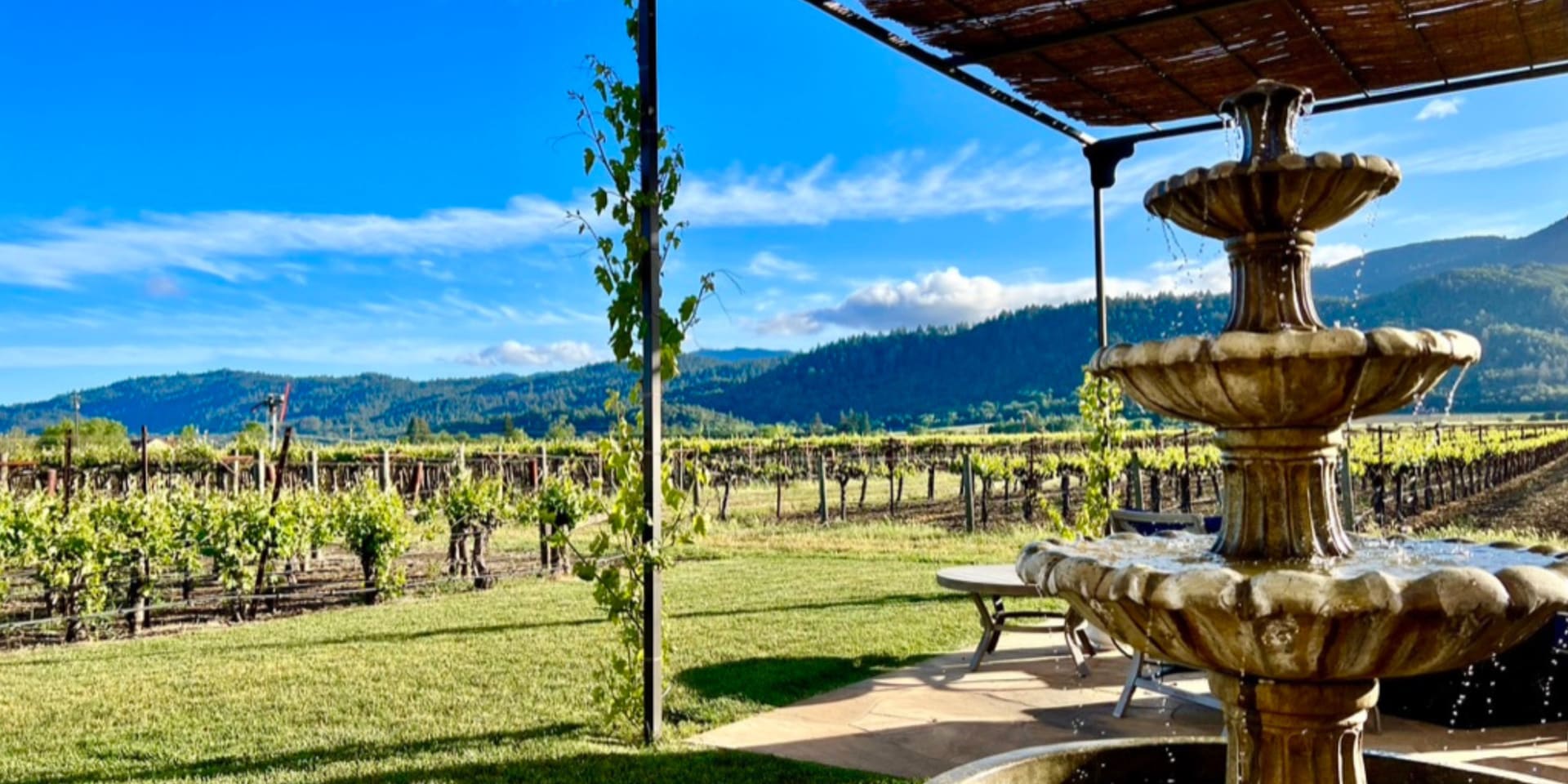


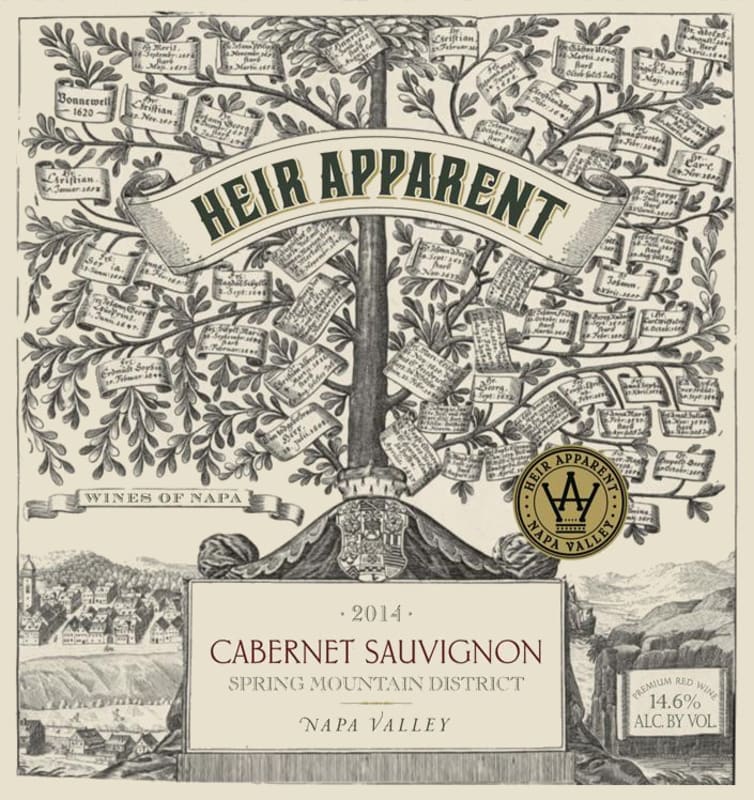
Made with love in Napa Valley, the family behind Heir Apparent prides itself on cultivating a sustainable and responsible approach to viticulture. Like a vibrant family, fine wine is a living tale, nurtured with unwavering devotion. It's a journey of care, never hurried; a challenge that earns the sweetest rewards. From rugged soil, the vines burst forth with vigor, a tribute to the very essence of life.
One of the hallmarks of Heir Apparent is its commitment to showcasing the unique characteristics of various Napa Valley appellations. Napa Valley is known for its diverse microclimates and terroirs, which offer the team an incredible palate of flavors and aromas to work with. Heir Apparent seizes this opportunity by producing special releases of wines from different appellations, each with its distinct identity.
They firmly believe that the true heirs to the rich winemaking tradition are the extraordinary customers who have the privilege of experiencing the meticulously crafted wines. The winery's unwavering commitment to uncompromising quality and innate ability to capture the quintessence of Napa Valley in every bottle make Heir Apparent wines a cherished choice among discerning wine enthusiasts and collectors alike.

A noble variety bestowed with both power and concentration, Cabernet Sauvignon enjoys success all over the globe, its best examples showing potential to age beautifully for decades. Cabernet Sauvignon flourishes in Bordeaux's Medoc where it is often blended with Merlot and smaller amounts of some combination of Cabernet Franc, Malbecand Petit Verdot. In the Napa Valley, ‘Cab’ is responsible for some of the world’s most prestigious, age-worthy and sought-after “cult” wines. Somm Secret—DNA profiling in 1997 revealed that Cabernet Sauvignon was born from a spontaneous crossing of Cabernet Franc and Sauvignon Blanc in 17th century southwest France.

Above the town of St. Helena on the eastern slopes of the Mayacamas Mountains sits the Spring Mountain District.
A dynamic region, its vineyards, cut by numerous springs and streams, vary in elevation, slope and aspect. Soils differ throughout with over 20 distinct types inside of the 8,600 acres that define the appellation. Within that area, only about 1,000 are planted to vineyards. Predominantly farmed by small, independent producers, the region currently has just over 30 wineries.
During the growing season, late afternoon Pacific Ocean breezes reach the Spring Mountain vineyards, which sit at between 400 and 1,200 feet. Daytime temperatures during mid summer and early fall remain slightly cooler than those of the valley floor.
Spring Mountain soils—volcanic matter and sedimentary rock—create intense but balanced reds with lush and delicate tannins. The area excels with Bordeaux varieties such as Cabernet Sauvignon, Cabernet Franc and Merlot and in some cooler spots, Chardonnay.