


Winemaker Notes
Professional Ratings
-
James Suckling
A juicy red with notes of blackcurrants and plums, baking spices and chocolate. Medium to full body. Polished tannins and succulent fruit make it easy to drink. Creamy and soft. Long finish with a touch of minerality.
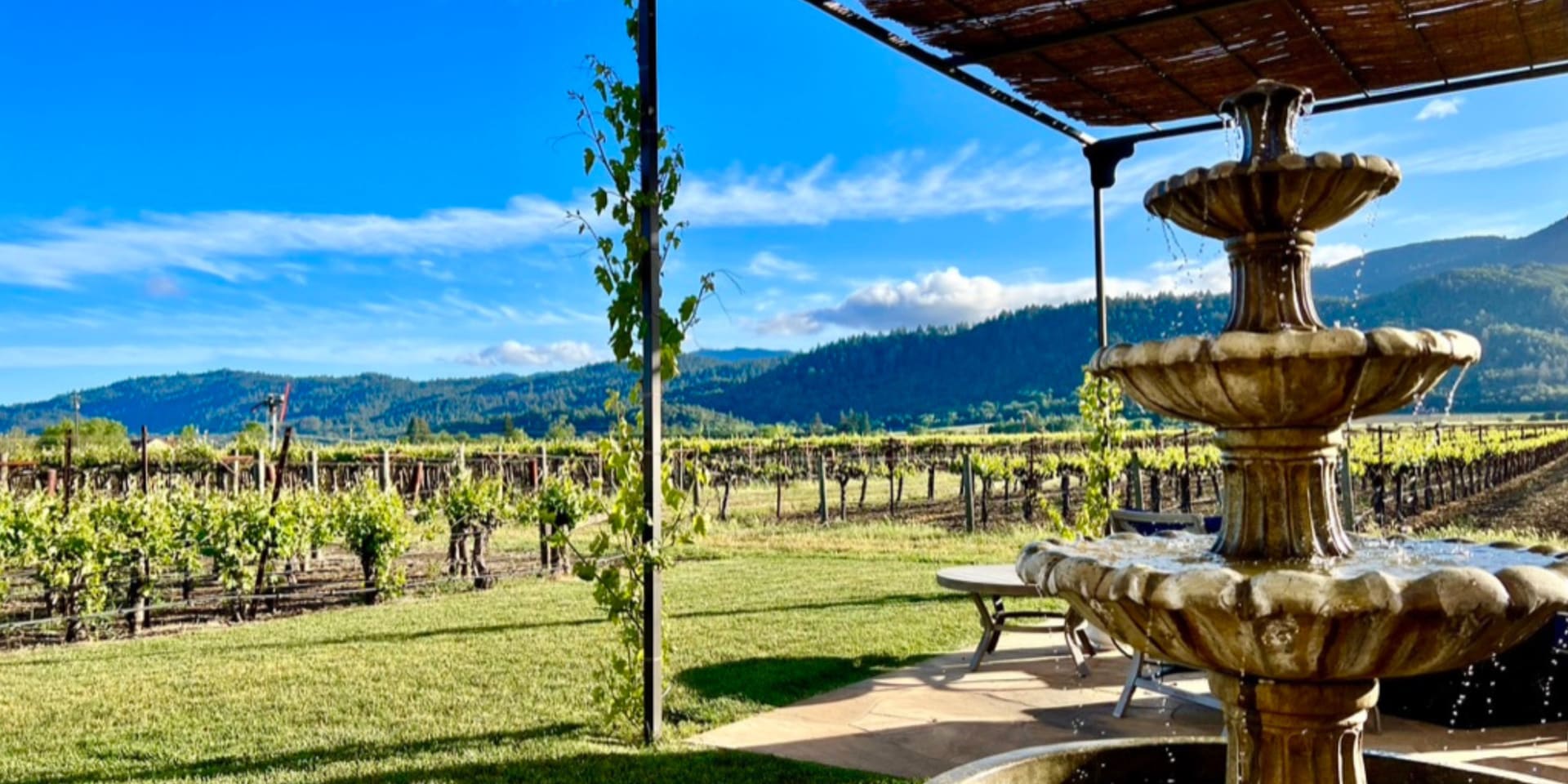


Made with love in Napa Valley, the family behind Heir Apparent prides itself on cultivating a sustainable and responsible approach to viticulture. Like a vibrant family, fine wine is a living tale, nurtured with unwavering devotion. It's a journey of care, never hurried; a challenge that earns the sweetest rewards. From rugged soil, the vines burst forth with vigor, a tribute to the very essence of life.
One of the hallmarks of Heir Apparent is its commitment to showcasing the unique characteristics of various Napa Valley appellations. Napa Valley is known for its diverse microclimates and terroirs, which offer the team an incredible palate of flavors and aromas to work with. Heir Apparent seizes this opportunity by producing special releases of wines from different appellations, each with its distinct identity.
They firmly believe that the true heirs to the rich winemaking tradition are the extraordinary customers who have the privilege of experiencing the meticulously crafted wines. The winery's unwavering commitment to uncompromising quality and innate ability to capture the quintessence of Napa Valley in every bottle make Heir Apparent wines a cherished choice among discerning wine enthusiasts and collectors alike.

Undoubtedly proving its merit over and over, Napa Valley is a now a leading force in the world of prestigious red wine regions. Though Cabernet Sauvignon dominates Napa Valley, other red varieties certainly thrive here. Important but often overlooked include Merlot and other Bordeaux varieties well-regarded on their own as well as for their blending capacities. Very old vine Zinfandel represents an important historical stronghold for the region and Pinot noir is produced in the cooler southern parts, close to the San Pablo Bay.
Perfectly situated running north to south, the valley acts as a corridor, pulling cool, moist air up from the San Pablo Bay in the evenings during the hot days of the growing season, which leads to even and slow grape ripening. Furthermore the valley claims over 100 soil variations including layers of volcanic, gravel, sand and silt—a combination excellent for world-class red wine production.