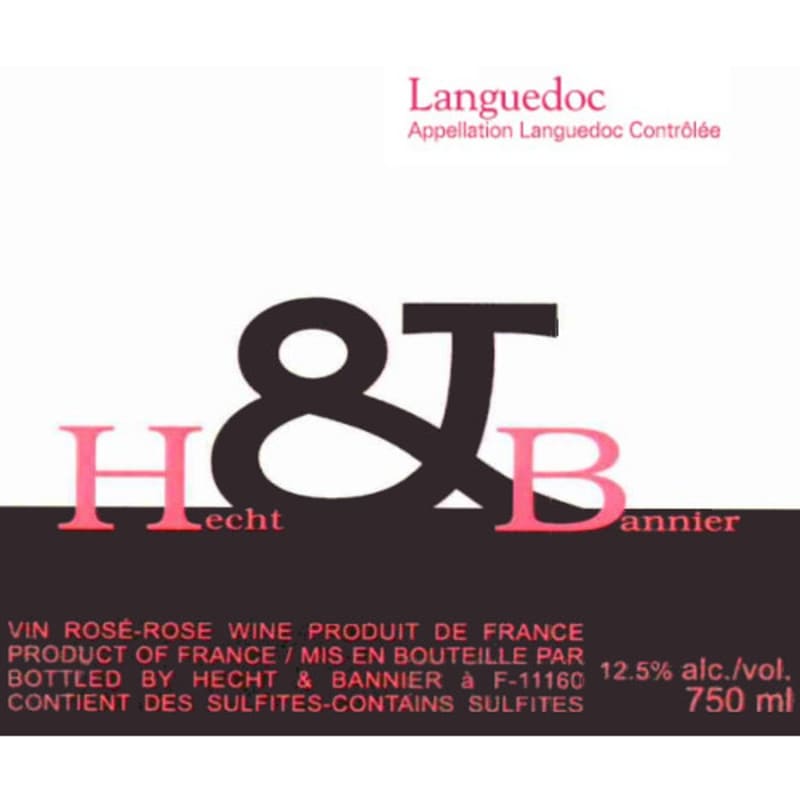

Winemaker Notes
In Southern France, bordering the Mediterranean Sea, extends the most ancient and the largest vineyard of our country: the Languedoc Roussillon. As our vine-growers take benefit from favorably climatic conditions and remarkable sunshine weather, they have been following for quite a long time the principle of an environmental friendly viticulture.
This is how our region has become a pioneer in developing cautious agriculture and organic viticulture. It offers a vast variety of terroirs that we suggest you discover in this fruit driven wine, matured exclusively in concrete tank, without any use of barrels.
Since the harvest, Syrah has been dedicated to rosé, picked earlier, it keeps a higher acidity level to compare to others grapes dedicated for the red wine production.
Professional Ratings
-
Robert Parker's Wine Advocate
Constituting 40% Syrah from relatively early-picked schistic sites in St.-Chinian (selected specifically with pink wine in mind) as well as from Minervois, and with 40% Cinsault, the Hecht & Bannier 2010 Languedoc Rose delivers not just fresh, tart-edged cherry fruit, and invigoratingly pungent herbal inflections, but also luscious blood orange and an astonishing array of mineral nuances including utterly mouthwatering salinity, all of which promises terrific versatility at table over the coming year. This is about as vividly fresh-fruited, exuberant, vibrant, and capital-"M" mineral as you could ask for in any wine! I tried chasing some of Hecht & Bannier's new Maury with this and it was utterly luscious, almost suggestive of sweetness in its vivid evocation of red fruit? After having a fortified dessert wine in one's mouth! ”It’s dry, I promise” says Hecht.

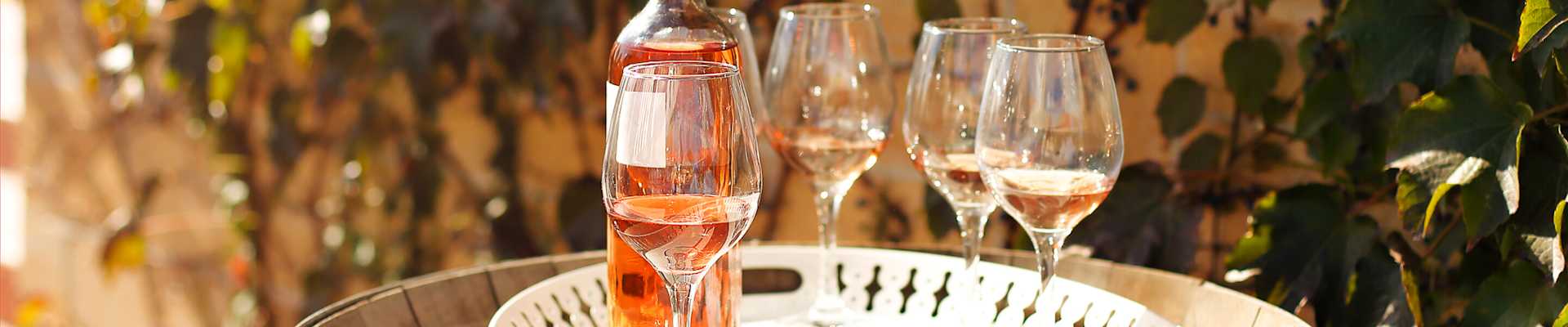
Whether it’s playful and fun or savory and serious, most rosé today is not your grandmother’s White Zinfandel, though that category remains strong. Pink wine has recently become quite trendy, and this time around it’s commonly quite dry. Since the pigment in red wines comes from keeping fermenting juice in contact with the grape skins for an extended period, it follows that a pink wine can be made using just a brief period of skin contact—usually just a couple of days. The resulting color depends on grape variety and winemaking style, ranging from pale salmon to deep magenta.

An extensive appellation producing a diverse selection of good quality and great values, Languedoc spans the Mediterranean coast from the Pyrenees mountains of Roussillon all the way to the Rhône Valley. Languedoc’s terrain is generally flat coastal plains, with a warm Mediterranean climate and frequent risk of drought.
Virtually every style of wine is made in this expansive region. Most dry wines are blends with varietal choice strongly influenced by the neighboring Rhône Valley. For reds and rosés, the primary grapes include Grenache, Syrah, Carignan, Cinsault and Mourvèdre. White varieties include Grenache Blanc, Muscat, Ugni Blanc, Vermentino, Macabéo, Clairette, Piquepoul and Bourbelenc.
International varieties are also planted in large numbers here, in particular Chardonnay, Sauvignon Blanc and Cabernet Sauvignon.
The key region for sparkling wines here is Limoux, where Blanquette de Limoux is believed to have been the first sparkling wine made in France, even before Champagne. Crémant de Limoux is produced in a more modern style.