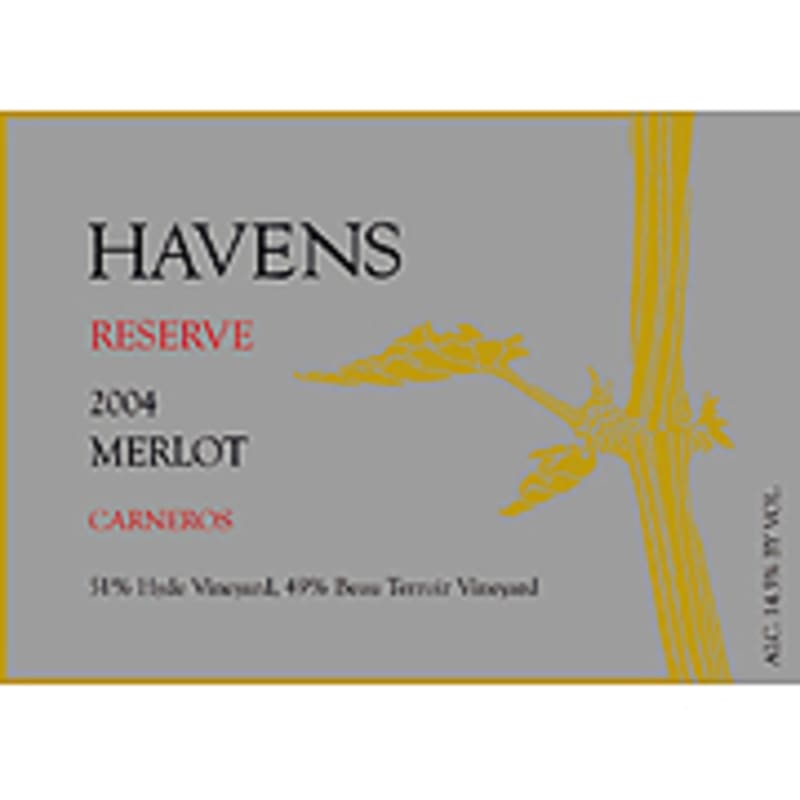

Winemaker Notes
With a full two years bottle aging before release, the 2004 Merlot Carneros has already developed into a distinctive wine: black fruits, hints of allspice, mace, and anise, and a broad-but-firm backbone. This wine shows off 2004's best character, the rich texture of late-harvested Carneros fruit, and the complexity that comes from Merlot planted in a superior site. It should age well for another five to eight years from release, not simply surviving, but developing more intricate texture and exotic aroma.
91 Points
"Red-ruby. Superripe, nearly confectionery aromas of roasted black raspberry, blueberry and leather. Sweet, round and palate-caressing, with harmonious acidity contributing to a seamless texture. More nuanced and structured than the basic Merlot, but still in the fruit-driven style of the vintage. Finishes with building but
suave tannins." Stephen Tanzer's
International Wine Cellar


With generous fruit and supple tannins, Merlot is made in a range of styles from everyday-drinking to world-renowned and age-worthy. Merlot is the dominant variety in the wines from Bordeaux’s Right Bank regions of St. Emilion and Pomerol, where it is often blended with Cabernet Franc to spectacular result. Merlot also frequently shines on its own, particularly in California’s Napa Valley. Somm Secret—As much as Miles derided the variety in the 2004 film, Sideways, his prized 1961 Château Cheval Blanc is actually a blend of Merlot and Cabernet Franc.

Known for elegant wines that combine power and finesse, Carneros is set in the rolling hills that straddle the southernmost parts of both Sonoma and Napa counties. The cooling winds from the abutting San Pablo Bay, combined with lots of midday California sunshine, create an ideal environment for producing wines with a perfect balance of crisp acidity and well-ripened fruit.
This cooler pocket of California lends itself to growing Pinot Noir, Chardonnay and Syrah. Carneros is an important source of sparkling wines made in the style of Champagne as well.