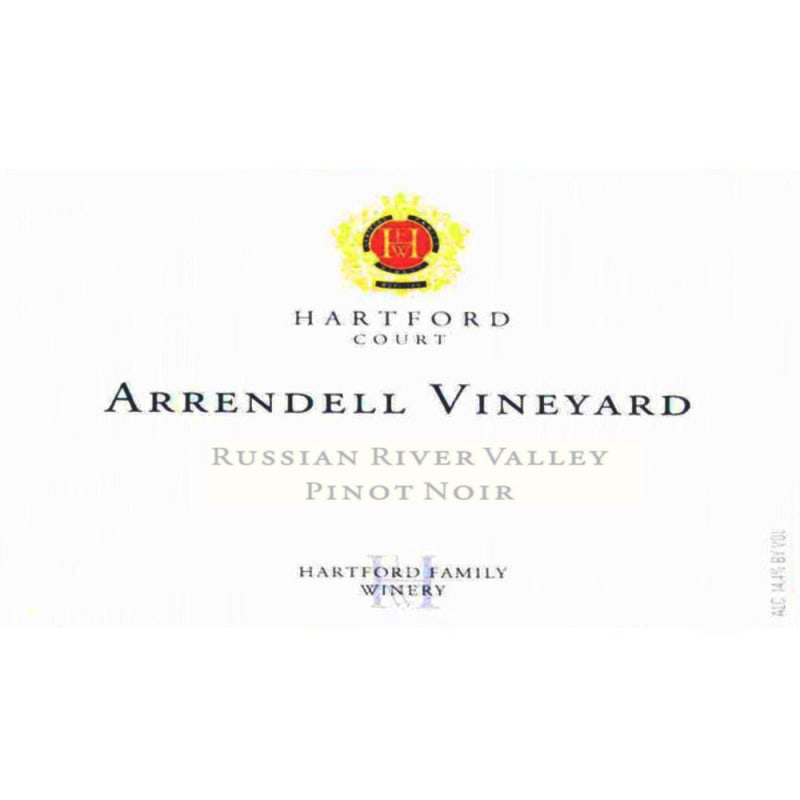

Winemaker Notes
Professional Ratings
-
Robert Parker's Wine Advocate
Kirsch liqueur, lavender, licorice, raspberry, and blueberry aromas jump from the glass of the 2007 Pinot Noir Arrendell Vineyard. From one of the estate's oldest vineyards (34 years of age) planted with the Martini clone, it possesses a dark ruby/purple color, fabulous intensity, full-bodied power, and a 35-second finish, unusually long for Pinot Noir. This beauty should age for a decade or more.
-
Wine Enthusiast
The winery's most expensive wine comes from very low-yielding Martini selection grapes planted in 1975. The '07, tasted at a bit more than one year of age, was pronounced in smoky oak and robust tannins, showing jammy flavors of blackberries, cherries, blueberries, anise, cloves and cedar. Hold this powerful wine until 2011.
-
Wine & Spirits
Planted to the Martini clone in the late 1980s, Arrendell sits in a cold spot in Green Valley, where restricted yields produce fruit with a wild berry character and foresty spice. This 2007 is rich and complete, the texture making it satisfying all the way through. Even so, the brightness of the fruit cuts through the wine's darker tones and leaves a mouthwatering impression. It’s a boysenberry-cherry-earth combination that would be delicious with roast duck.


While the Russian River Valley is a large appellation with multiple climate zones and soil types, it is best known for cool-climate varieties, with Pinot Noir as the most celebrated. The grapes benefit from a reliable late afternoon flow of Pacific Ocean fog through the Petaluma Gap and along the Russian River Valley that ensures slow and steady ripening and the preservation of grape acidity. Today many of California’s most highly regarded Pinot Noir vineyards are in the Russian River Valley, along with its sub-appellation, Green Valley.
Historically Russian River Valley Pinot Noirs had bright red fruit and delicate earthy, mineral notes. But changes in viticultural and winemaking practices have led to stylistic changes in some of the region’s wines. Adjustments to canopy management, among other techniques, have resulted in riper fruit and bolder wines as well. These show flavors of black cherry, blackberry, cola, spice and darker, loamy earth tones, accenting traditional Pinot Noir notes of strawberry, raspberry and light cherry.