

Winemaker Notes
Professional Ratings
-
Wilfred Wong of Wine.com
COMMENTARY: When someone tells me, "Hey, you have got to try my Trousseau wine!" I am confused about whether we are talking white or red. While both white and red exist, I am more familiar with the white—once called Grey Riesling and made by Wente Bros. up until the early 1990s, when BATF said the wine was mislabeled and should have been called Trousseau Gris. The 2017 Harrington Trousseau, however, is a pretty cool wine. TASTING NOTES: This wine is zingy and pleasing. Its aromas and flavors of bright red raspberries should pair it well with a toss of grilled chicken breast, arugula, and dried cranberries. (Tasted: September 25, 2018, San Francisco, CA)


Indigenous to the Jura region of France, Trousseau is an intensely hued red wine grape that can make powerful wines with aging potential. Parentage analysis shows that it is related to Chenin Blanc, Sauvignon Blanc and Savagnin. Though no one is certain how or why, Trousseau made a long journey west across France and the Iberian Peninsula well over 200 years ago to take a second home under the alias, Bastardo, in Portugal. It is also permitted in the production of Port. Somm Secret—Trousseau also goes by the names, Maturana Tinta, Merenzao and Verdejo Negro.
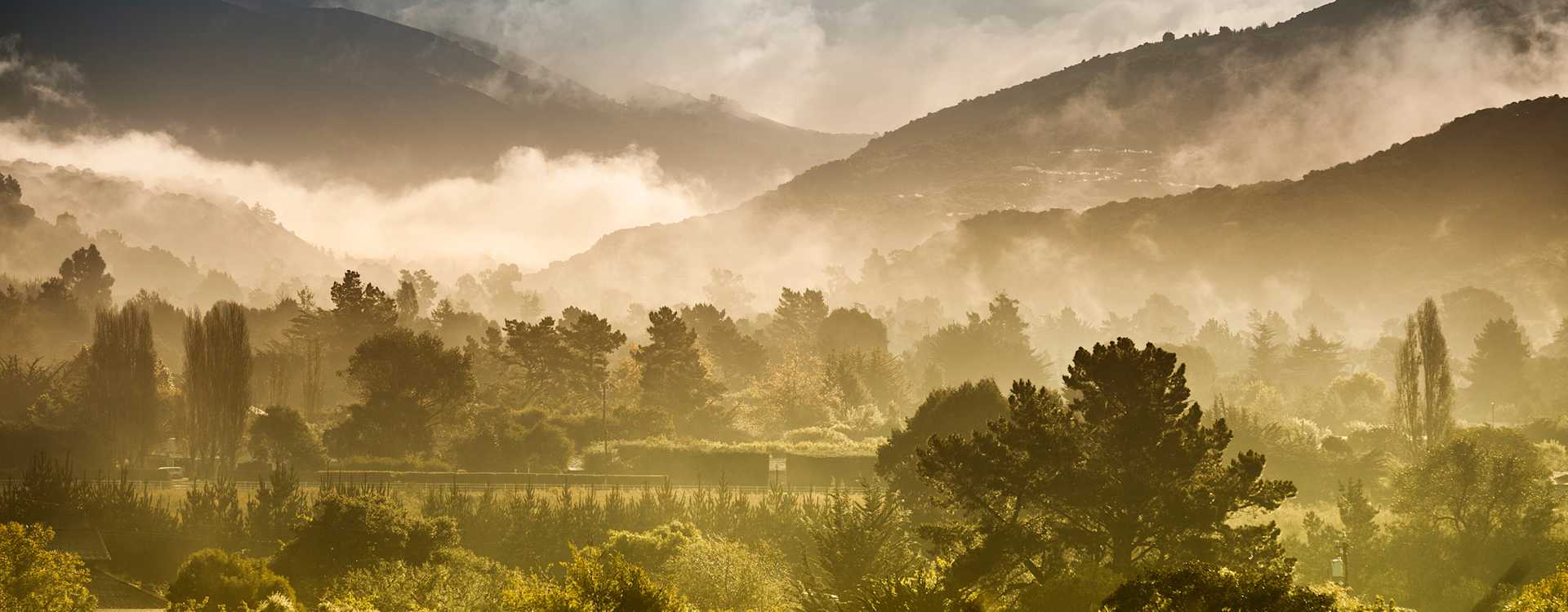
Part of the larger Central Coast AVA, the valley was historically an important source of grapes for Almaden Vineyards before it was acquired by Constellation Brands in the 1980s. At 1,100 feet, the San Andreas Fault divides the valley so that one side is granite and sandstone, and the other is granite and limestone. Its position along the San Andreas fault makes the region well suited for excellent Central Coast wine production. Top varietals include Zinfandel, Chardonnay, Pinot Noir, Riesling, and rose.