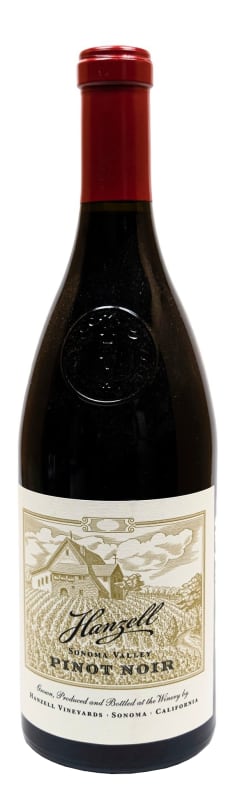


Winemaker Notes
Brilliant aromas of Bing cherry, pomegranate, blood orange, pink grapefruit, thyme and rose abound. The palate echoes the red fruited nose with the addition of cranberry, wild strawberry, red currant, orange peel, cherry tobacco, forest floor and wet stone. Texturally elegant and lifted, the bright fruit and integrated tannin lingers on through a long finish.
Professional Ratings
-
James Suckling
The nose is intensely aromatic and floral, with piercing notes of crushed strawberries, potpourri and orange rind. The palate is medium-bodied with seamless tannins and bright acidity, showing red currants, forest floor, cassia bark and mulberries. Very balanced and pure, with 40% whole cluster. Drink or hold.
-
Wine Spectator
Chiseled and piercing, with singed blood orange and dried damson plum fruit mixed in with hints of iron, savory and singed sandalwood. The long finish is redolent of sous-bois and dried bergamot without losing energy or tension along the way. Built for the cellar, this is for fans of old-school, minerally Pinots. Best from 2026 through 2040.
-
Vinous
The 2021 Pinot Noir is a gorgeous, nervy Pinot Noir. Dried herbs, minerals, dried rose petals, spice and light earthy tones are some of the many notes that run through this incredibly distinctive Pinot Noir from Hanzell. The 40% stems work so well here. This is a blend from several blocks planted between 1953 and 1999 at the Hanzell estate on Moon Mountain.
-
Wine Enthusiast
There's a vibrant freshness to the berry fruit and black tea aromas on the nose of this gently extracted Pinot. The palate brings crushed black cherry, forest floor and orange peel flavors in a lighter framework with some crunchy tannin persisting along the finish.


Thin-skinned, finicky and temperamental, Pinot Noir is also one of the most rewarding grapes to grow and remains a labor of love for some of the greatest vignerons in Burgundy. Fairly adaptable but highly reflective of the environment in which it is grown, Pinot Noir prefers a cool climate and requires low yields to achieve high quality. Outside of France, outstanding examples come from in Oregon, California and throughout specific locations in wine-producing world. Somm Secret—André Tchelistcheff, California’s most influential post-Prohibition winemaker decidedly stayed away from the grape, claiming “God made Cabernet. The Devil made Pinot Noir.”
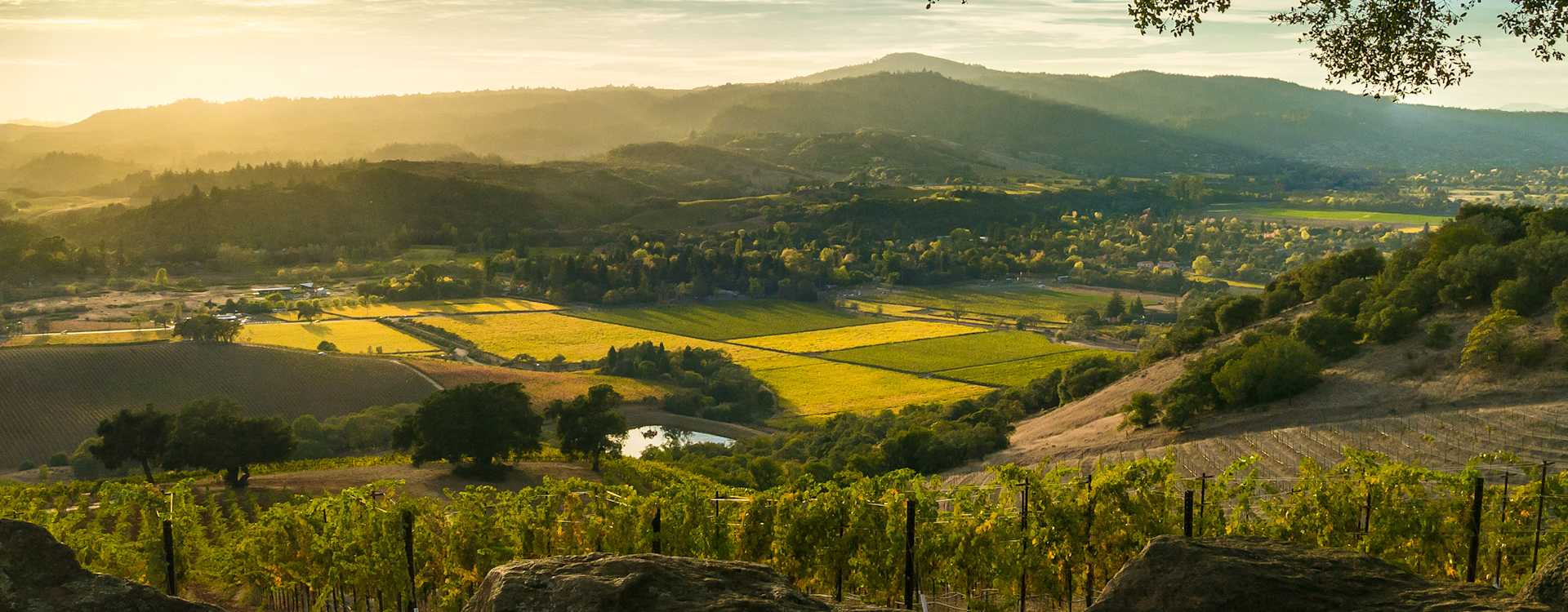
Perhaps the most historically significant appellation in Sonoma County, the Sonoma Valley is home to both Buena Vista winery, California's oldest commercial winery, and Gundlach Bundschu winery, California's oldest family-run winery.
It is also one of the more geologically and climactically diverse districts. The valley includes and overlaps four distinct Sonoma County sub-appellations, including Carneros, Moon Mountain District, Sonoma Mountain and Bennett Valley. With mountains, benchlands, plains, abundant sunshine and the cooling effects of the nearby Pacific, this appellation can successfully produce a wide range of grape varieties. Pinot Noir, Chardonnay, Cabernet Sauvignon, Gewürztraminer, and most notably, Zinfandel all thrive here. Ancient Zinfandel vines over 100 years old produce small crops of concentrated, spicy fruit, which in turn make some of the Valley's most unique wines. These can also be made as “field blends” (wines made from a mix of grape varieties grown in the same vineyard) along with Petite Sirah, Carignan and Alicante Bouschet.