


Winemaker Notes
#25 Wine Spectator Top 100 of 2022
Mouthwatering aromas of cherry, blackberry, blood orange zest and red plum are buoyed by intriguing graphite, forest floor and earthy cherry tobacco scents. The palate is lush and juicy, shows flavors of blackberry bramble, red fruits, and hints of wet earth. Fruit and earth characters linger on the palate through a long, beautifully balanced and textured finish, making this wine both tremendously drinkable now while also another wonderful candidate for additional years in the cellar.
Professional Ratings
-
Wine Spectator
Pure and racy in feel, with lovely damson plum, bitter cherry and raspberry notes flecked liberally with rooibos tea and savory details. Picks up additional energy through the finish, with a grounding rod of minerality that pulls everything to a pinpoint finish. Puts on weight as it airs, too. Everything is there—now you just need to wait. Best from 2024
-
James Suckling
A beautiful red with fresh strawberry, lemon rind and some stones. Creamy and clean. Medium-bodied with a layered yet fine-tannined texture and a fresh finish. Very beautiful. Drink in 2024.
-
Wine Enthusiast
Elegant, textured and delicate in style, this estate wine is funky in earthy compost, forest and black tea. The fruit is quiet and integrated, crisp and tangy, with a lift of citrus, pomegranate and wild strawberry. This wine is structured to age and should open further in the cellar; enjoy best from 2024–2030.
Cellar Selection


Thin-skinned, finicky and temperamental, Pinot Noir is also one of the most rewarding grapes to grow and remains a labor of love for some of the greatest vignerons in Burgundy. Fairly adaptable but highly reflective of the environment in which it is grown, Pinot Noir prefers a cool climate and requires low yields to achieve high quality. Outside of France, outstanding examples come from in Oregon, California and throughout specific locations in wine-producing world. Somm Secret—André Tchelistcheff, California’s most influential post-Prohibition winemaker decidedly stayed away from the grape, claiming “God made Cabernet. The Devil made Pinot Noir.”
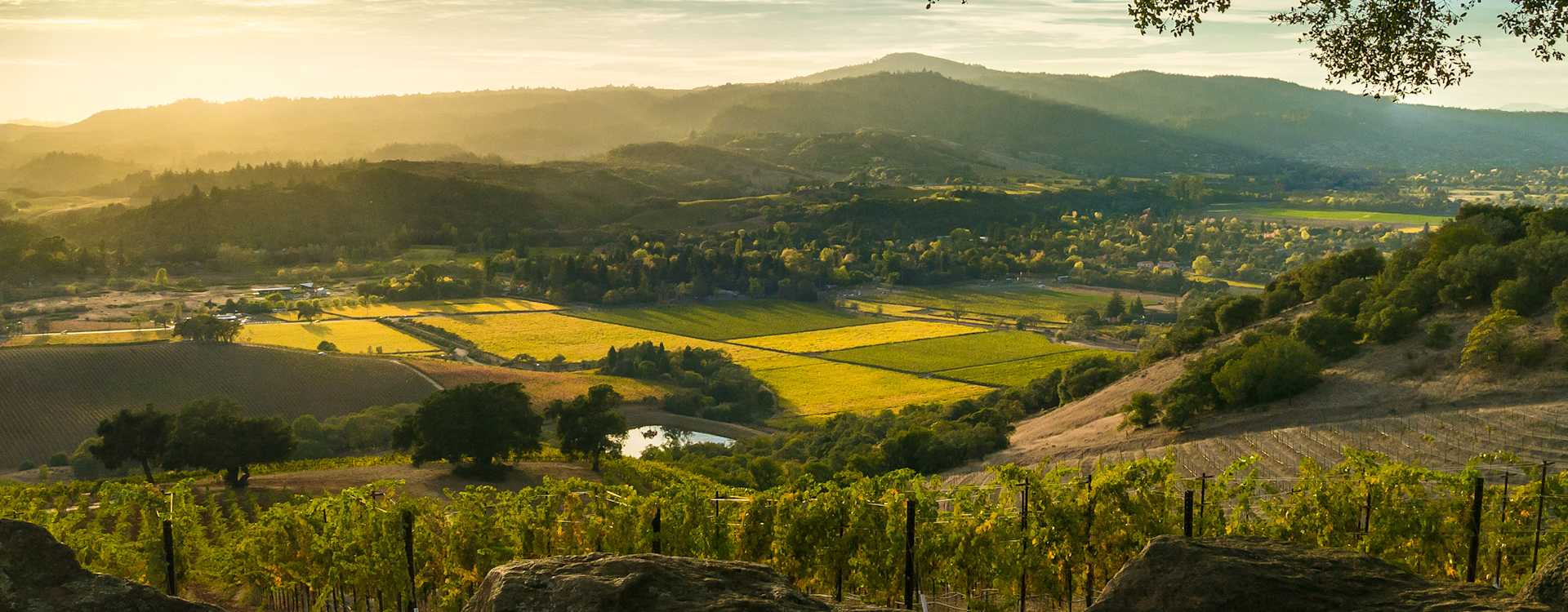
Perhaps the most historically significant appellation in Sonoma County, the Sonoma Valley is home to both Buena Vista winery, California's oldest commercial winery, and Gundlach Bundschu winery, California's oldest family-run winery.
It is also one of the more geologically and climactically diverse districts. The valley includes and overlaps four distinct Sonoma County sub-appellations, including Carneros, Moon Mountain District, Sonoma Mountain and Bennett Valley. With mountains, benchlands, plains, abundant sunshine and the cooling effects of the nearby Pacific, this appellation can successfully produce a wide range of grape varieties. Pinot Noir, Chardonnay, Cabernet Sauvignon, Gewürztraminer, and most notably, Zinfandel all thrive here. Ancient Zinfandel vines over 100 years old produce small crops of concentrated, spicy fruit, which in turn make some of the Valley's most unique wines. These can also be made as “field blends” (wines made from a mix of grape varieties grown in the same vineyard) along with Petite Sirah, Carignan and Alicante Bouschet.