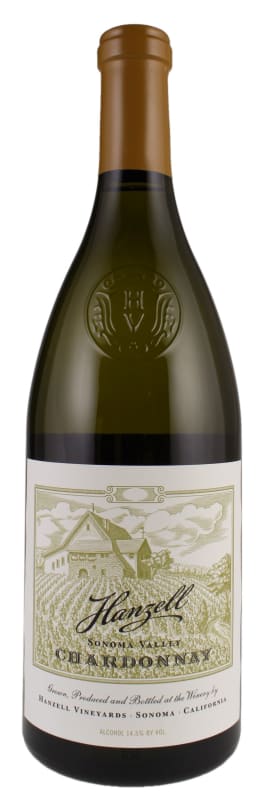


Winemaker Notes
Professional Ratings
-
Wine & Spirits
James Zellerbach planted the first four acres of Chardonnay on this property in teh Mayacamas Mountains in 1953. Now in the hands of the de Brye family, the estate includes 32 acres of chardonnay, 70 percent from the Wente clone, which produces small berries at this site. Winemaker Michael McNeill fermented and aged one third of the wine in new French oak, allowing malolactic; the balance he fermented in stainless steel, without malolactic, aging it in older oak barrels. The blend is savory, with moutwatering flavors of orange and lemon and higher tones of orange blossom and peach. The wine's leesy austerity and fragrant restraint keep it fresh, lasting for days after it's opened. A California classic, for any fresh catch.
-
Wine Spectator
Sleek and focused, with a grainy edge to the citrus, pear, apple and spice notes that are intense, vibrant, tight and focused. Slow to unfold, but a good cellar choice. Drink now through 2016.


One of the most popular and versatile white wine grapes, Chardonnay offers a wide range of flavors and styles depending on where it is grown and how it is made. While it tends to flourish in most environments, Chardonnay from its Burgundian homeland produces some of the most remarkable and longest lived examples. California produces both oaky, buttery styles and leaner, European-inspired wines. Somm Secret—The Burgundian subregion of Chablis, while typically using older oak barrels, produces a bright style similar to the unoaked style. Anyone who doesn't like oaky Chardonnay would likely enjoy Chablis.
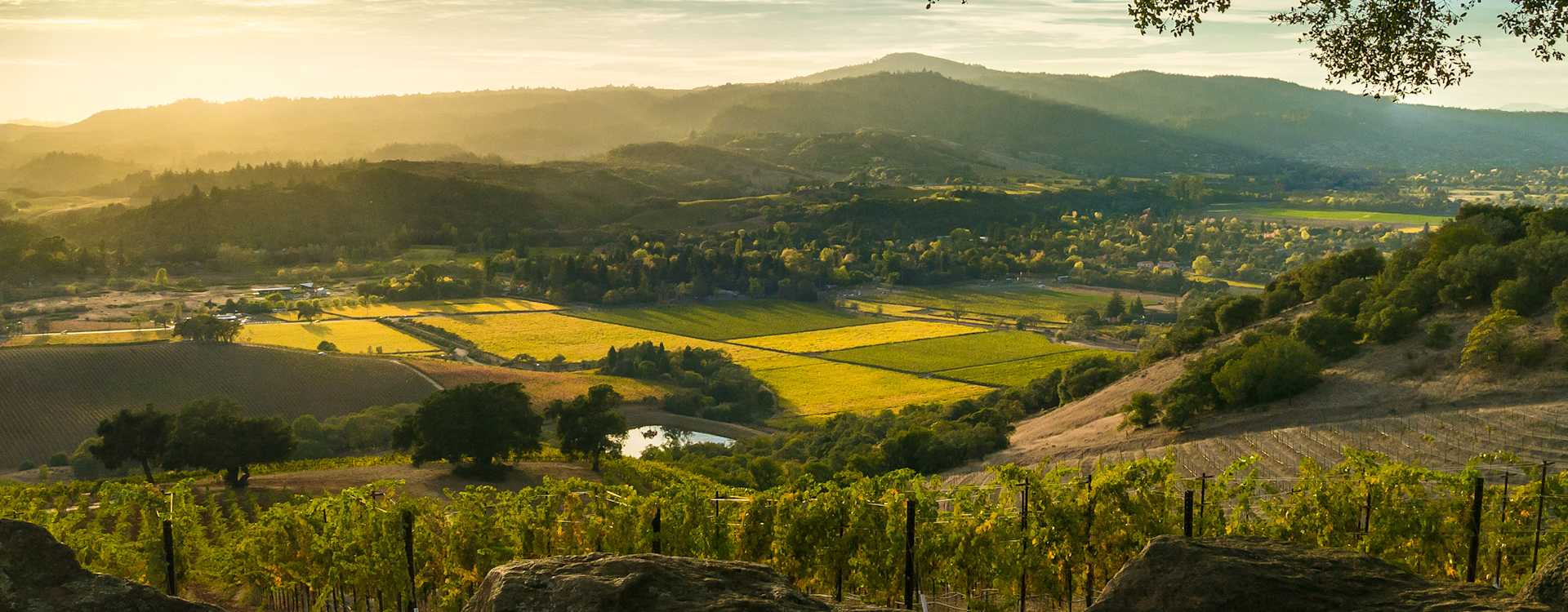
Home to a diverse array of smaller AVAs with varied microclimates and soil types, Sonoma County has something for every wine lover. Physically twice as large as Napa Valley, the region only produces about half the amount of wine but boasts both tremendous quality and variety. With its laid-back atmosphere and down-to-earth attitude, the wineries of Sonoma are appreciated by wine tourists for their friendliness and approachability. The entire county intends to become a 100% sustainable winegrowing region by 2019.
Sonoma County wines are produced with carefully selected grape varieties to reflect the best attributes of their sites—Dry Creek Valley’s consistent sunshine is ideal for Zinfandel, while the warm Alexander Valley is responsible for rich, voluptuous red wines like Cabernet Sauvignon. Chardonnay and Pinot Noir are important throughout the county, most notably in the cooler AVAs of Russian River, Sonoma Coast and Carneros. Sauvignon Blanc, Merlot and Syrah have also found a firm footing here.