


Winemaker Notes
The Rosé is a charming light pink color and the delicate, fruity-fresh taste of strawberries and raspberries ensure a good mood. Especially in spring and summer temperatures, it is a pleasure. Well chilled, it accompanies light dishes such as salads and antipasti excellently. But also drunk solo makes this elegant rosé pure joy!
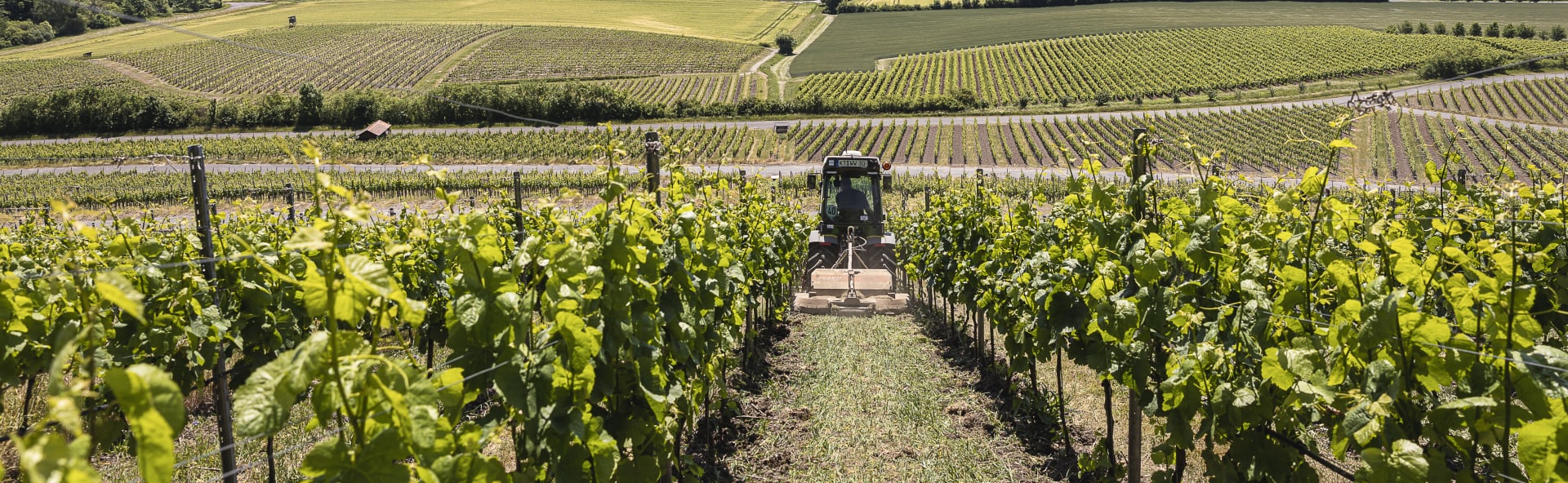



Weingut Hans Wirsching is one of the largest privately owned family estates in Germany, situated in the picturesque medieval town of Iphofen in Franconia, 1.4 hours east of Frankfurt. Now in its 14th generation, the Wirsching family with CEO Andrea Wirsching produces 37,000 cases on 225 acres of vineyards. They focus on Silvaner (40%), the signature grape of the Franconian wine area. 20% of their vineyards are planted with Riesling, the classical German grape, and 7% with Scheurebe, a fruity grape with aromas like Sauvignon Blanc.
In 1630 Hans Wirsching donated a vineyard to the Abbey at Ebrach. The sale is one of the first instances documenting the Wirsching family's involvement in wine. Throughout the centuries the Wirsching's have continued their love for, and involvement in, the business of agriculture and wine growing.
In the late 19th century, the phylloxera plague devastated the European wine industry. Andreas Wirsching died at an early age, and his widow focused on a shop which fed children in the village. Andreas' passing could have easily spelled the end of wine production for the Wirsching family. However, in 1918, Andreas' son Hans Wirsching returned from World War I. Hans was only 23 at the time, but he made the decision to put all of his energy into rebuilding the vineyards. He not only restarted the winery, but also began the painstaking process of replanting the vineyards with American rootstocks. Hans obtained Scheurebe cuttings from the Annaberg in the early 1950s (like Karl Fuhrmann at Pfeffingen / Pfalz) and transplanted them in the Kronsberg vineyard. We can credit both the Wirsching and Pfeffingen estates, and their pioneering efforts, for making a place for the Scheurebe grape in German viticulture.
Terroir: "Keuper" (Jurassic Clay) is a sediment stone from the time when dinosaurs walked through the swamps 220 million years ago. Layers of Gypsum within that stone give the wines low acidity. The wines of Iphofen are full bodied with hints of herbaceous aromas and elegant fruit components.
As member of the elite wine association VDP-Die Prädikatsweingüter they have very high production and quality standards. The quality levels are VDP.Gutswein (estate), VDP.Ortswein (village), VDP.Erste Lage (Premier Cru), VDP.Große Lage (Grand Cru). Wirsching is member of Fair N'Green, a sustainable certificate.
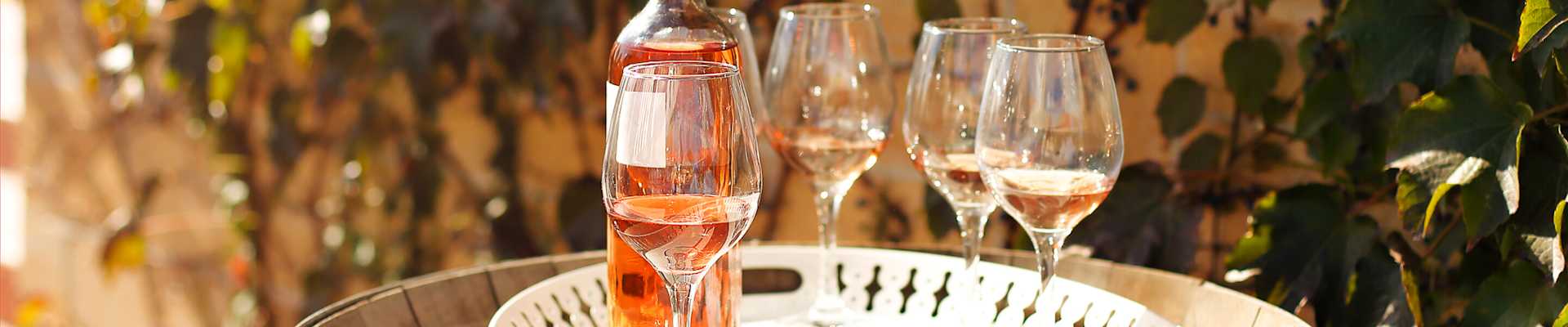
Whether it’s playful and fun or savory and serious, most rosé today is not your grandmother’s White Zinfandel, though that category remains strong. Pink wine has recently become quite trendy, and this time around it’s commonly quite dry. Since the pigment in red wines comes from keeping fermenting juice in contact with the grape skins for an extended period, it follows that a pink wine can be made using just a brief period of skin contact—usually just a couple of days. The resulting color depends on grape variety and winemaking style, ranging from pale salmon to deep magenta.
