


Winemaker Notes
Professional Ratings
-
Vinous
The 2019 Rosso Clos Roareti is rich with blueberry and plum sauce complemented by balsam herbs and a hint of spiced citrus. This boasts near-glycerol-like dense textures, yet it is also youthfully stern and poised with masses of wild berry fruits and savory spices. It tapers off long and structured with blue and purple-tinged inner florals and hints of black currant. The Clos Roareti is a varietal Merlot which doesn’t see any


With generous fruit and supple tannins, Merlot is made in a range of styles from everyday-drinking to world-renowned and age-worthy. Merlot is the dominant variety in the wines from Bordeaux’s Right Bank regions of St. Emilion and Pomerol, where it is often blended with Cabernet Franc to spectacular result. Merlot also frequently shines on its own, particularly in California’s Napa Valley. Somm Secret—As much as Miles derided the variety in the 2004 film, Sideways, his prized 1961 Château Cheval Blanc is actually a blend of Merlot and Cabernet Franc.
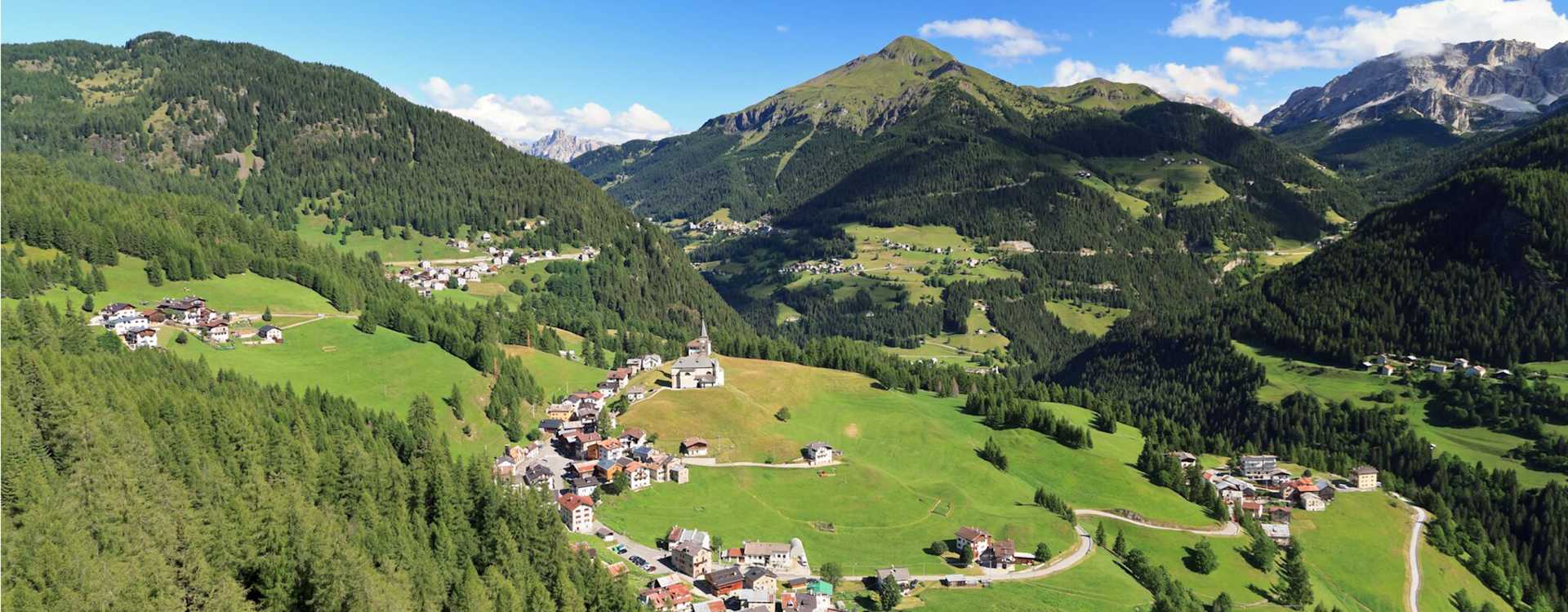
Among the ranks of Italy’s quintessential red wines, Valpolicella literally translates to the “valley of cellars” and is composed of a series of valleys (named Fumane, Marano and Negrare) that start in the pre-alpine Lissini Mountains and end in the southern plains of the Veneto. Here vineyards adorn the valley hillsides, rising up to just over 1,300 feet.
The classification of its red wines makes this appellation unique. Whereas most Italian regions claim the wines from one or two grapes as superior, or specific vineyards or communes most admirable, Valpolicella ranks the caliber of its red wines based on delimited production methods, and every tier uses the same basic blending grapes.
Corvina holds the most esteem among varieties here and provides the backbone of the best reds of Valpolicella. Also typical in the blends, in lesser quantities, are Rondinella, Molinara, Oseleta, Croatina, Corvinone and a few other minor red varieties.
Valpolicella Classico, the simplest category, is where the region’s top values are found and resembles in style light and fruity Beaujolais. The next tier of reds, called Valpolicella Superiore, represents a darker and more serious and concentrated expression of Valpolicella, capable of pairing with red meat, roast poultry and hard cheeses.
Most prestigious in Valpolicella are the dry red, Amarone della Valpolicella, and its sweet counterpart, Recioto della Valpolicella. Both are created from harvested grapes left to dry for three to five months before going to press, resulting in intensely rich, lush, cerebral and cellar-worthy wines.
Falling in between Valpolicella Superiore and Amarone is a style called Valpolicella Ripasso, which has become immensely popular only since the turn of the century. Ripasso literally means “repassed” and is made by macerating fresh Valpolicella on the pressed grape skins of Amarone. As a result, a Ripasso will have more depth and complexity compared to a regular Superiore but is more approachable than an Amarone.