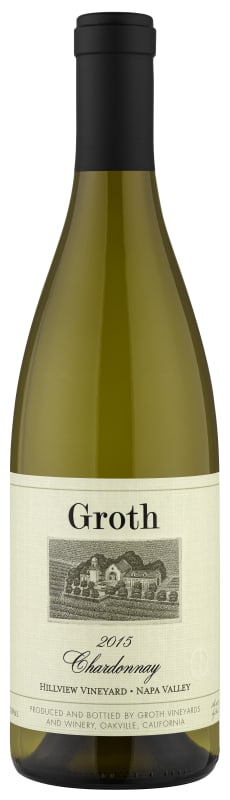


Winemaker Notes
Professional Ratings
-
Wine & Spirits
A tightly focused, earth-driven chardonnay, this wine is savory and briny. If you’re searching for fruit, you might find a little lemon pith, or you could think of the flavor as the fruitiness of a green olive. That fruit character is crunchy and dynamic, the texture pampered by oak, its time in barrel adding a satiny gloss without taking over the wine. It’s a chardonnay that speaks of Napa Valley rather than holding to a sweet and tropical New World style, offering a bridge to bring wine geeks and chardonnay moms together at one table.
-
James Suckling
Aromas of cream, hot stone and dried fruits follow through to a full body, tangy fruit and a savory finish. Lots of lemon and vanilla character.
-
Wine Enthusiast
This vineyard is within the Oak Knoll District, a cooler section of the Napa Valley’s southern end. Tart, tangy and richly woven, the wine is salty, with notes of toasted oak, apple skin and oyster shell. This shows a combination of savory spice and lush ripeness.


One of the most popular and versatile white wine grapes, Chardonnay offers a wide range of flavors and styles depending on where it is grown and how it is made. While it tends to flourish in most environments, Chardonnay from its Burgundian homeland produces some of the most remarkable and longest lived examples. California produces both oaky, buttery styles and leaner, European-inspired wines. Somm Secret—The Burgundian subregion of Chablis, while typically using older oak barrels, produces a bright style similar to the unoaked style. Anyone who doesn't like oaky Chardonnay would likely enjoy Chablis.

As one of Napa’s coolest sub-appellations, the area begs for diversity among its vineyards. Merlot and Chardonnay firmly compete with Cabernet Sauvignon for a place here. Some of Napa’s best Zinfandels also come from the Oak Knoll District.
Situated far in Napa’s southern end, Oak Knoll receives a strong cooling influence from both the San Pablo Bay and the Pacific Coast’s evening fog and breezes. Summer days are warm but on average ten degrees cooler than in St. Helena farther north up the valley; summer nights are chilly. A long growing season promotes for leisurely ripening of grape berries, resulting in an impressive balance of sugars, phenols and acidity.
Notable producers include Trefethen, one of the appellation’s oldest wineries, Robert Biale, legendary Zinfandel producer and Lewis Cellars, a family-run, hands-on establishment.