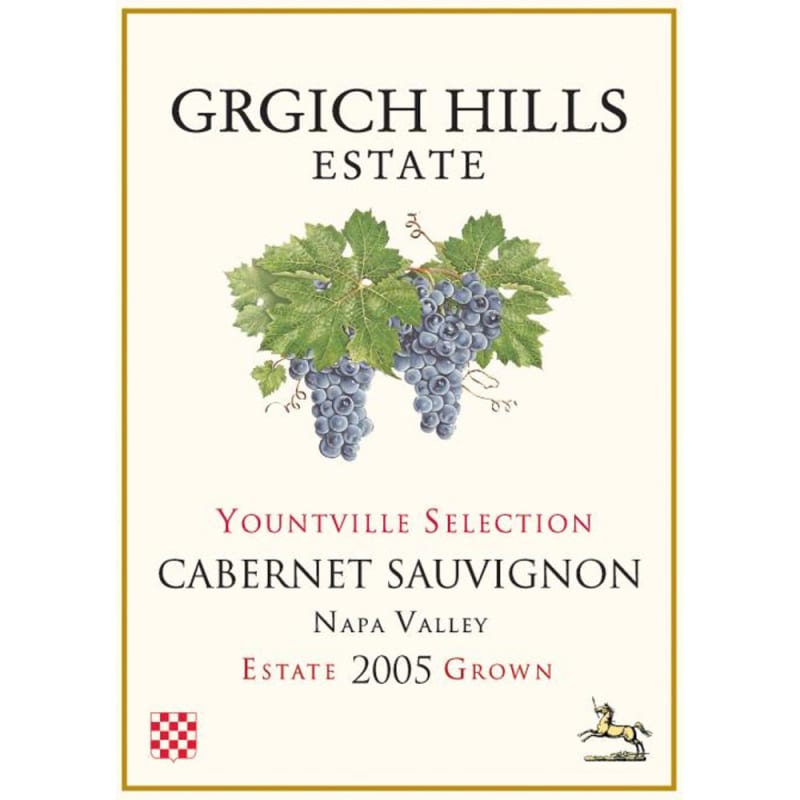

Winemaker Notes
Professional Ratings
-
Robert Parker's Wine Advocate
Ratchet up the level of complexity, concentration, purity, richness, etc., and readers have the 2005 Cabernet Sauvignon Yountville Selection. This 100% Cabernet Sauvignon (aged 27 months in new French oak) might well be one of the greatest, if not the finest Cabernet Sauvignon I have ever tasted from Grgich Hills Estate. I envy any of those who were able to buy it. This is just incredible wine from an organically run vineyard in Yountville. The quality of the fruit that has come through in the finished wine is remarkable. Dense purple to the rim, with stunning crème de cassis, blackberries, spring flowers and no real oak in evidence, this wine is lavishly rich, extravagant and compelling. Kudos to the Grgich team. This should drink well for another 20-25 years and be one of the modern-day Napa classics.
-
Connoisseurs' Guide
More of a brooding young wine than one of panache and out-going sweetness, this carefully constructed and incisively varietal offering is very much a wine for the future. It presently teases with touches of rich oak, roasted herbs and a good bit of clean, curranty fruit, but its very firm tannins serve as real restraints. It is, however, very well-balanced, and it avoids the overly tough edges that might call its future into question. Set it aside for at least half a dozen years.


One of the most prestigious wines of the world capable of great power and grace, Napa Valley Cabernet is a leading force in the world of fine, famous, collectible red wine. Today the Napa Valley and Cabernet Sauvignon are so intrinsically linked that it is difficult to discuss one without the other. But it wasn’t until the 1970s that this marriage came to light; sudden international recognition rained upon Napa with the victory of the Stag’s Leap Wine Cellars 1973 Cabernet Sauvignon in the 1976 Judgement of Paris.
Cabernet Sauvignon undoubtedly dominates Napa Valley today, covering half of the land under vine, commanding the highest prices per ton and earning the most critical acclaim. Cabernet Sauvignon’s structure, acidity, capacity to thrive in multiple environs and ability to express nuances of vintage make it perfect for Napa Valley where incredible soil and geographical diversity are found and the climate is perfect for grape growing. Within the Napa Valley lie many smaller sub-AVAs that express specific characteristics based on situation, slope and soil—as a perfect example, Rutherford’s famous dust or Stags Leap District's tart cherry flavors.