


Winemaker Notes
The wine's firm tannins and vibrant acidity create the perfect partner with beef tenderloin, rack of lamb or roasted pork.
Professional Ratings
-
Tasting Panel
A big purple inkwell; earthy and ripe bursting with plum juice. Mid-palate brings in a spiced coffeee and blueberry-cinnamon. Not a bright, New World fruity wine, but rather a laid back savory beauty.
-
Wilfred Wong of Wine.com
Some say wild, others say pure and a few say not rich enough. For me the 2010 Grgich Hills Merlot is very successful and comes after the 2009, which was pretty much out-of-this-world. Drawn from a certified organic and Biodynamic vineyard. Explosive, with wild red fruit flavors, the wine settles nicely on the palate, with some oaky roundness. Really long and lush in the finish. Perfect with a savory roast pork.
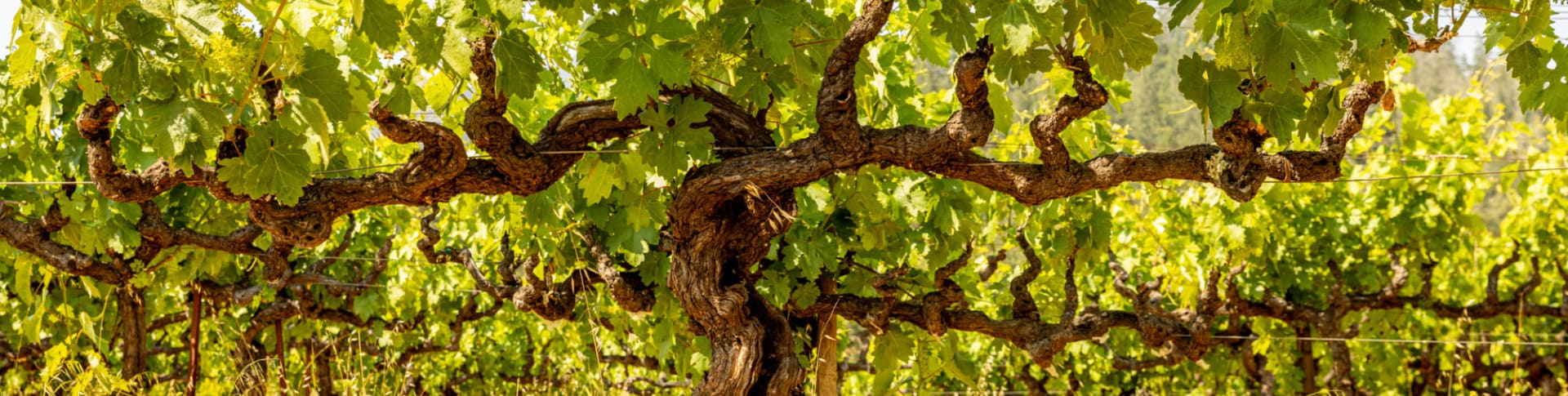




As a family-owned and operated winery, Grgich Hills Estate is committed to crafting wines of the highest standard and consistency. Their dedication to these principles has led to the achievement of Regenerative Organic Certification for all five of their estate vineyards in December 2022. This system prioritizes the long-term health and longevity of their vines, revitalizes the land, and allows for the creation of wines that are unmatched in their quality and expression of terroir.
It is with a spirit of curiosity, discovery, and excellence that Miljenko “Mike” Grgich and partner Austin Hills founded Grgich Hills Estate in 1977, after Mike’s Chateau Montelena Chardonnay won the famed 1976 Paris Tasting. These values propel Grgich Hills Estate forward as they continue to make exquisite wines, while pioneering a sustainable future for Napa Valley.

As Napa Valley’s third most planted grape, Napa Valley Merlot shows time and time again its potential to produce exceptional results. Napa’s vaunted combination of climate, soil and the human factor of winemaking expertise lead to big, ripe, cellar-worthy and world-class versions.
Whether made by itself in single varietal bottlings or as an important role in Bordeaux Blends, Merlot continues a prominent role in this famous region. While Cabernet typically takes the lead role, Merlot’s contribution—even at 10% to 20% or so—is significant indeed. Often described as “the flesh on Cabernet’s bones,” Merlot lends a soft, round and plush character that beautifully complements Cabernet’s linear, full-throttle structure. Its flavors of plums plus subtle herbs and mint also dovetail nicely with Cabernet’s blackberry and cassis.