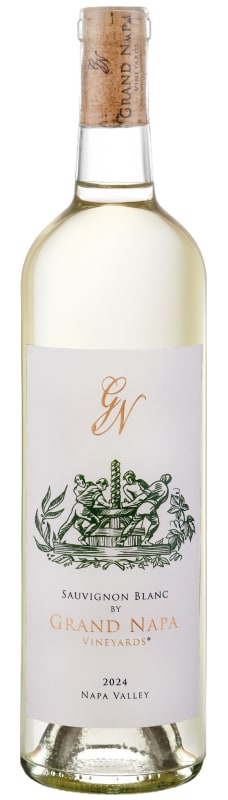


Winemaker Notes
The Sauvignon Blanc captures the essence of the soil and climate where it’s grown. Bright tropical aromas of zesty grapefruit, juicy pineapple, and delicate elderflower greet the nose, accented by a subtle minerality that adds depth and sophistication. On the palate, crisp acidity and a refreshing finish make this wine a versatile pairing for dishes like light salads, grilled seafood, or goat cheese crostini.
Professional Ratings
-
James Suckling
A crisp, racy, mineral-driven white that’s energized by acidity and lively citrus flavors. Lime zest, lemon peel, saline and mineral accents, with a hint of white pepper on the palate. Clean and fresh in the finish.
-
Wilfred Wong of Wine.com
An excellent Sauvignon Blanc from Carneros? Yes, the 2024 Grand Napa Vineyards is an impressive wine. This wine showcases aromas and flavors of fresh mown grass and wild herbs. Sear some scallops and enjoy the pairing. (Tasted: April 7, 2025, San Francisco, CA)
-
Jeb Dunnuck
Bright and juicy, the 2024 Sauvignon Blanc shows gooseberry, lime, and minty nuances. It's medium-bodied, bright, and refreshing, with nicely integrated acidity. It's going to be about as versatile as they come on the dinner table.


Capable of a vast array of styles, Sauvignon Blanc is a crisp, refreshing variety that equally reflects both terroir and varietal character. Though it can vary depending on where it is grown, a couple of commonalities always exist—namely, zesty acidity and intense aromatics. This variety is of French provenance. Somm Secret—Along with Cabernet Franc, Sauvignon Blanc is a proud parent of Cabernet Sauvignon. That green bell pepper aroma that all three varieties share is no coincidence—it comes from a high concentration of pyrazines (herbaceous aromatic compounds) inherent to each member of the family.

Above the town of St. Helena on the eastern slopes of the Mayacamas Mountains sits the Spring Mountain District.
A dynamic region, its vineyards, cut by numerous springs and streams, vary in elevation, slope and aspect. Soils differ throughout with over 20 distinct types inside of the 8,600 acres that define the appellation. Within that area, only about 1,000 are planted to vineyards. Predominantly farmed by small, independent producers, the region currently has just over 30 wineries.
During the growing season, late afternoon Pacific Ocean breezes reach the Spring Mountain vineyards, which sit at between 400 and 1,200 feet. Daytime temperatures during mid summer and early fall remain slightly cooler than those of the valley floor.
Spring Mountain soils—volcanic matter and sedimentary rock—create intense but balanced reds with lush and delicate tannins. The area excels with Bordeaux varieties such as Cabernet Sauvignon, Cabernet Franc and Merlot and in some cooler spots, Chardonnay.