


Winemaker Notes
What strikes many as an unusual blend is fairly common in Penedes – aromatic whites made from a mix of “northern” and indigenous varieties. In the case of Gessami, it is a blend of the native Muscat (both Frontignan 35%, and de Alexandria 15%, which are grown by Gramona) and the non-native but heat-tolerant Gewürztraminer 15%, and Sauvignon Blanc 35%. Over a third of the cuvée is Sauvignon Blanc, which provides a fresh herbal lift and vibrant acidity. To ensure a balanced wine, the grapes are picked just as they reach ripeness to ensure plenty of acidity to balance the 6g/L of residual sugar that is retained. Depending on the vintage, either one or both Muscat varieties are used in addition to a small proportion of Gewürztraminer to boost the aromatics. Such a floral and alluring wine is fittingly named Gessami, which in English means Jasmine.

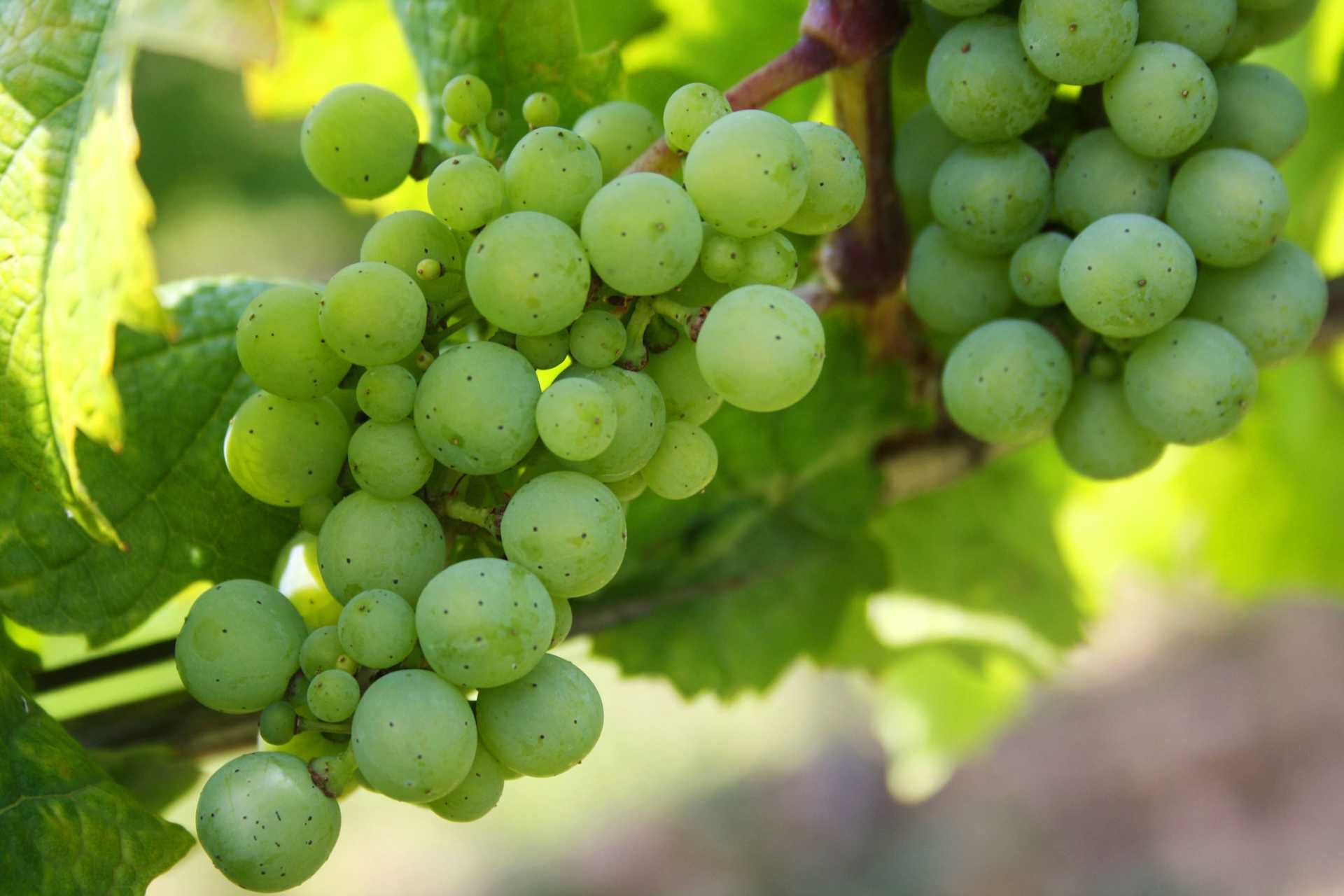
With hundreds of white grape varieties to choose from, winemakers have the freedom to create a virtually endless assortment of blended white wines. In many European regions, strict laws are in place determining the set of varieties that may be used in white wine blends, but in the New World, experimentation is permitted and encouraged. Blending can be utilized to enhance balance or create complexity, lending different layers of flavors and aromas. For example, a variety that creates a soft and full-bodied white wine blend, like Chardonnay, would do well combined with one that is more fragrant and naturally high in acidity. Sometimes small amounts of a particular variety are added to boost color or aromatics. Blending can take place before or after fermentation, with the latter, more popular option giving more control to the winemaker over the final qualities of the wine.

A superior source of white grapes for the production of Spain’s prized sparkling wine, Cava, the Penedes region is part of Catalunya and sits just south of Barcelona. Medio Penedès is the most productive source of the Cava grapes, Macabeo, Xarel-lo, and Parellada. Penedes also grows Garnacha and Tempranillo (here called Ull de Llebre in Catalan), for high quality reds and rosès.