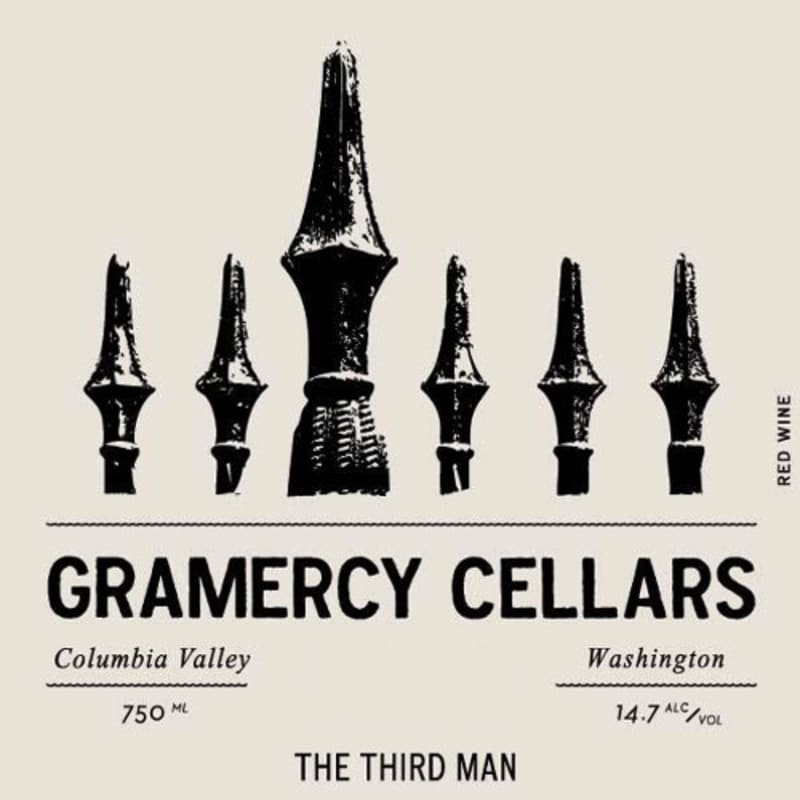

Winemaker Notes
Blend: 75% Grenache, 15% Syrah, 5% Mourvedre, 5% Carignan
Professional Ratings
-
Robert Parker's Wine Advocate
The 2014 The Third Man is a ripe, sexy blend of 75% Grenache, 15% Syrah, 5% Carignan and 5% Mourvèdre that’s from the Alder Ridge, Olsen and Forgotten Hills vineyards. Herbes des Provence, kirsch liqueur, black cherries, leather and pepper all emerge from this medium to full-bodied, nicely balanced, seamless Grenache that will dish out tons of pleasure right out of the gate. It will have a decade or more of longevity. Range: 92-94
-
Wine & Spirits
A grenache with pinot noir aspirations, this silky wine is fine-boned and lustrous, less about power than finesse. It leads with a pretty, brambly-red-raspberry scent, accented by tobacco-leaf savor. It’s firm and balanced in its raspberry flavors, sunny and generous without overreaching, held in place by firm, finely wrought tannins. (605 cases)
-
Wine Enthusiast
Light in color, this wine brings initially reserved aromas of raspberry, herb and mineral, along with a light earthiness. The palate is broad and quite pure in style. It shows more flesh than the winery is typically known for but still has no shortage of elegance and balance.


With bold fruit flavors and accents of sweet spice, Grenache, Syrah and Mourvèdre form the base of the classic Rhône Red Blend, while Carignan, Cinsault and Counoise often come in to play. Though they originated from France’s southern Rhône Valley, with some creative interpretation, Rhône blends have also become popular in other countries. Somm Secret—Putting their own local spin on the Rhône Red Blend, those from Priorat often include Merlot and Cabernet Sauvignon. In California, it is not uncommon to see Petite Sirah make an appearance.

Responsible for some of Washington’s most highly acclaimed wines, the Walla Walla Valley has experienced a surge in popularity in recent years and is home to both historic wineries and younger, up-and-coming producers.
The Walla Walla Valley, a Native American name meaning “many waters,” is located in southeastern Washington; part of the appellation actually extends into Oregon. Soils here are well-drained, sandy loess over Missoula Flood deposits and fractured basalt.
It is a region perfectly suited to Rhône-inspired Syrahs, distinguished by savory notes of red berry, black olive, smoke and fresh earth. Cabernet Sauvignon and Merlot create a range of styles from smooth and supple to robust and well-structured. White varieties are rare but some producers blend Sauvignon Blanc with Sémillon, resulting in a rich and round style, and plantings of Viognier, while minimal, are often quite successful.
Of note within Walla Walla, is one new and very peculiar appellation, called the Rocks District of Milton-Freewater. This is the only AVA in the U.S. whose boundaries are totally defined by the soil type. Soils here look a bit like those in the acclaimed Rhône region of Chateauneuf-du-Pape, but are large, ancient, basalt cobblestones. These stones work in the same way as they do in Chateauneuf, absorbing and then radiating the sun's heat up to enhance the ripening of grape clusters. The Rocks District is within the part of Walla Walla that spills over into Oregon and naturally excels in the production of Rhône varieties like Syrah, as well as the Bordeaux varieties.