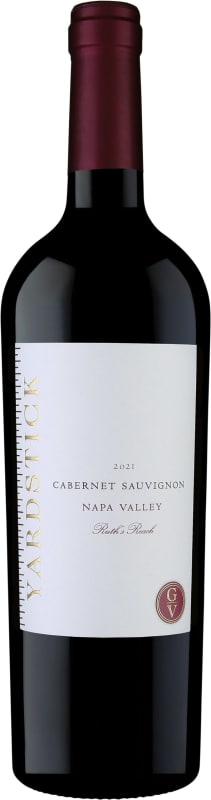


Winemaker Notes
Youthful deep purple color. Aromas of deep dark blueberry, black cherry and plum. The palate is very full and rich with good tension and nerve throughout. This wine is very powerful in flavor with plum and vanilla nuances. The finish is long and supple.
Professional Ratings
-
James Suckling
Aromas of ripe black cherries and blackcurrants with licorice, cocoa and moist earth undertones. Medium- to full-bodied. Chalky and velvety texture with firm tannins and a long, linear finish.
-
Tasting Panel
This is a bright, delightful, and expansive single-vineyard bottling whose notes of spiced cedar meld with black cherry and coffee. Sweet tobacco adds texture while walnut skin and crushed stone add tension.
-
Wine Enthusiast
. Chocolaty, rich in texture and laced with soft tannins, this wine shows the opulent side of the grape variety where the fruit is late-harvest ripe and backed by a full body.
-
Wine Spectator
Polished and direct in feel, with gently steeped currant and blackberry notes lined with hints of black licorice and singed vanilla. A crowd-pleaser. Drink now through 2028. 1,200 cases made.





Yolyn and Nick Goldschmidt are owner/vintners, and Nick is the winemaker. The winery offices are located in Healdsburg. Both originally from New Zealand, Yolyn and Nick have spent time living and working in the wine areas of New Zealand, Australia and South America.
Their focus is Cabernet Sauvignon from two prestigious vineyards in Northern California — Vyborny Vineyard, located on the northeastern slope in the Alexander Valley, and Game Ranch, located on an old river bottom on the eastern bench of the Silverado Trail. Both showcase the optimum silhouettes of Cabernet Sauvignon from Alexander Valley and Napa Valley.
The rolling hills and gentle slopes near the town of Sebastopol were once home to apple orchards filled with songbirds. By the early 1990’s though, most of the orchards were replanted with grapes. The factors that define a quality Chardonnay vineyard are numerous, but Nick Goldschmidt believes matching varietal and rootstock to the right vineyard site yields the most flavorful grapes.
High quality grapes grow only under certain optimum soil conditions, including a balance of nutrients within certain clays. These clay minerals play a critical role, as they can retain water and act as harbors for nutrients better than other soil types. Clays that offer slow nutrient transfer to grape vine plants are preferred. The highest quality grapes grow on the fine-grained, shallow marine quartz sandstones of the Wilson Grove Formation, where Singing Tree is located. These formations tend to produce soils that are well balanced in nutrient content and water retention.

A noble variety bestowed with both power and concentration, Cabernet Sauvignon enjoys success all over the globe, its best examples showing potential to age beautifully for decades. Cabernet Sauvignon flourishes in Bordeaux's Medoc where it is often blended with Merlot and smaller amounts of some combination of Cabernet Franc, Malbecand Petit Verdot. In the Napa Valley, ‘Cab’ is responsible for some of the world’s most prestigious, age-worthy and sought-after “cult” wines. Somm Secret—DNA profiling in 1997 revealed that Cabernet Sauvignon was born from a spontaneous crossing of Cabernet Franc and Sauvignon Blanc in 17th century southwest France.

One of Napa Valley’s oldest wine growing subregions but last to gain appellation status, Calistoga occupies the northernmost section of the valley. Beginning at the foot of Mount St. Helena, its vineyards stretch over steep canyons and roll out onto the valley floor. The soils in Calistoga are volcanic, which means they are heavy in minerals, low in organic matter and allow good drainage for vine roots, creating less green growth and more concentration of flavor within the grape berries.
Summer days are very hot but most nights cool down with moist ocean breezes sneaking in over the Mayacamas Mountains or from Knights Valley to its northwest.
Cabernet Sauvignon is the area’s star variety with Zinfandel coming in a strong second, though the latter commands far less price per tonnage so continues to be outshined by Cabernet in vineyard acreage, save for some important exceptions.