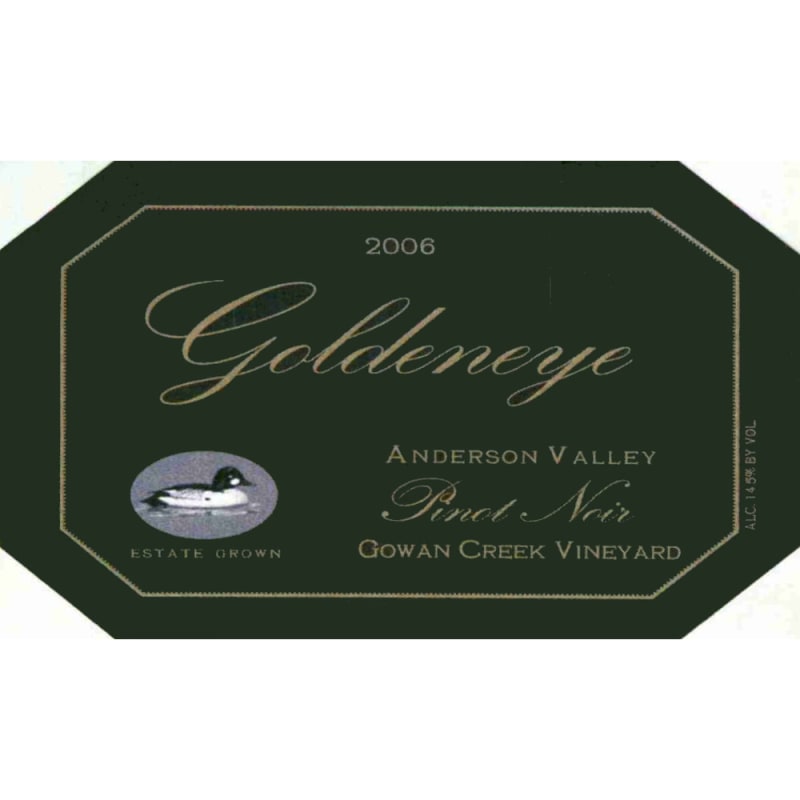

Winemaker Notes
In 2006 the weather cooperated — in fact, it was ideal. Temperatures remained mild, allowing us to handpick each block based on ripeness and flavors, and extending the harvest over seven weeks, commencing at Confluence Vineyard on September 7 and culminating with The Narrows Vineyard on October 28. Winemaker Zach Rasmuson describes the fruit quality from the 2006 vintage as impressive: "the wines are full, well-extracted, and tasty."
Professional Ratings
-
Wine Enthusiast
There's a wild, feral quality to this fine Pinot Noir. It has forest flavors of wild mushrooms, thyme, fennel, anise and pine, along with more familiar flavors of red cherries, cola and sandalwood. Elegant and ageable. Now through 2012.
-
Connoisseurs' Guide
If a bit wiry at first sniff, this deeply draughted bottling opens up to smells of ripe cherries, traces of gun metal, new rubber tires, creme brulee and cola, and those complexities continue on into the ripe yet still youthfully tight flavors. Latter palate acidity is no stranger to this wine either as is a big dose of puckery tannin at the finish, and even more than its mates, it asks for a fair bit of faith in the future.


Thin-skinned, finicky and temperamental, Pinot Noir is also one of the most rewarding grapes to grow and remains a labor of love for some of the greatest vignerons in Burgundy. Fairly adaptable but highly reflective of the environment in which it is grown, Pinot Noir prefers a cool climate and requires low yields to achieve high quality. Outside of France, outstanding examples come from in Oregon, California and throughout specific locations in wine-producing world. Somm Secret—André Tchelistcheff, California’s most influential post-Prohibition winemaker decidedly stayed away from the grape, claiming “God made Cabernet. The Devil made Pinot Noir.”

Reaching up California's coastline and into its valleys north of San Francisco, the North Coast AVA includes six counties: Marin, Solano, Napa, Sonoma, Mendocino and Lake. While Napa and Sonoma enjoy most of the glory, the rest produce no shortage of quality wines in an intriguing and diverse range of styles.
Climbing up the state's rugged coastline, the chilly Marin County, just above the City and most of Sonoma County, as well as Mendocino County on the far north end of the North Coast successfully grow cool-climate varieties like Pinot Noir, Chardonnay and in some spots, Riesling. Inland Lake County, on the other hand, is considerably warmer, and Cabernet Sauvignon, Zinfandel and Sauvignon Blanc produce some impressive wines with affordable price tags.