

Winemaker Notes
In 2006 the weather cooperated—in fact, it was ideal. Temperatures remained mild, allowing us to handpick each block based on ripeness and flavors, and extending the harvest over seven weeks, commencing at Confluence Vineyard on September 7 and culminating with The Narrows Vineyard on October 28. Winemaker Zach Rasmuson describes the fruit quality from the 2006 vintage as impressive: "the wines are full, well-extracted, and tasty."
Professional Ratings
-
Connoisseurs' Guide
Anderson Valley. Here again, this wine's adherence to classic Pinot Noir lines can be called into question, and here again, the wine proves its mettle with depth and structure that enable it to find a happy home alongside rich hunks of well-seasoned meat. Choose the wine for its ability to satisfy as wine, but beware of it if you demand Pinot to display its potential for nuance, subtlety and hidden power.


Thin-skinned, finicky and temperamental, Pinot Noir is also one of the most rewarding grapes to grow and remains a labor of love for some of the greatest vignerons in Burgundy. Fairly adaptable but highly reflective of the environment in which it is grown, Pinot Noir prefers a cool climate and requires low yields to achieve high quality. Outside of France, outstanding examples come from in Oregon, California and throughout specific locations in wine-producing world. Somm Secret—André Tchelistcheff, California’s most influential post-Prohibition winemaker decidedly stayed away from the grape, claiming “God made Cabernet. The Devil made Pinot Noir.”
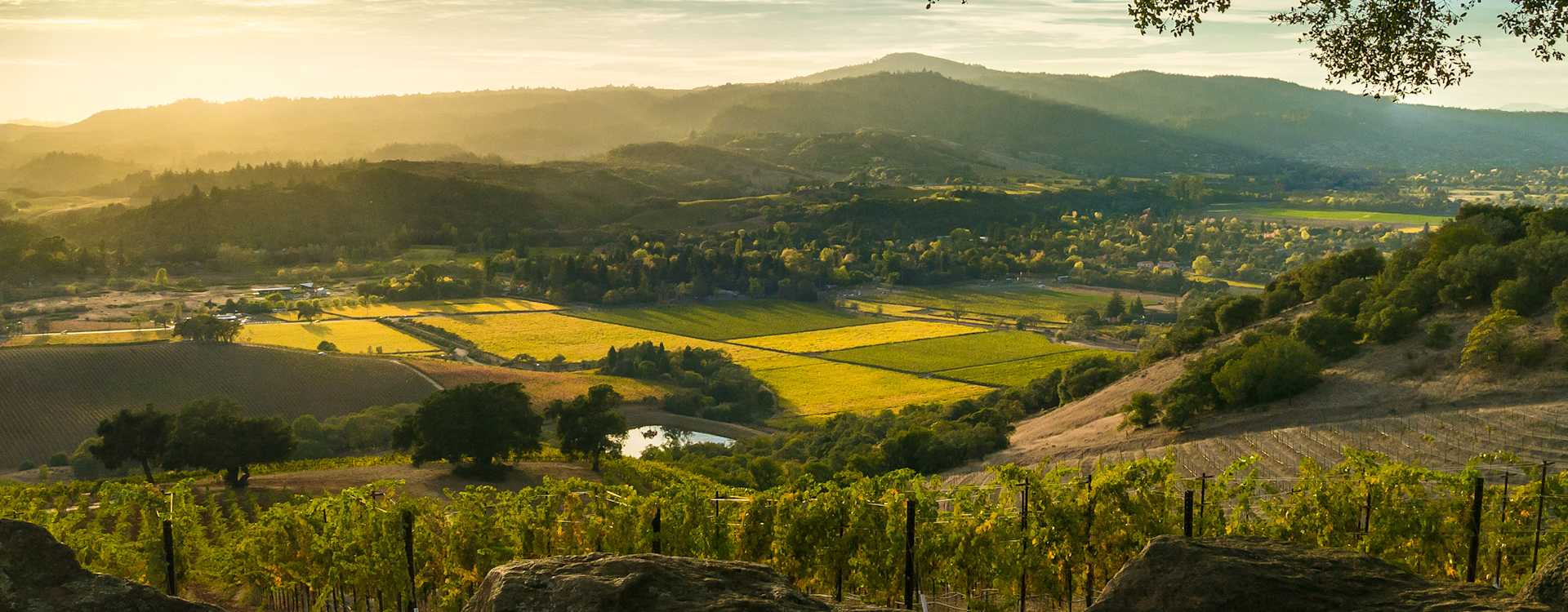
Home to a diverse array of smaller AVAs with varied microclimates and soil types, Sonoma County has something for every wine lover. Physically twice as large as Napa Valley, the region only produces about half the amount of wine but boasts both tremendous quality and variety. With its laid-back atmosphere and down-to-earth attitude, the wineries of Sonoma are appreciated by wine tourists for their friendliness and approachability. The entire county intends to become a 100% sustainable winegrowing region by 2019.
Sonoma County wines are produced with carefully selected grape varieties to reflect the best attributes of their sites—Dry Creek Valley’s consistent sunshine is ideal for Zinfandel, while the warm Alexander Valley is responsible for rich, voluptuous red wines like Cabernet Sauvignon. Chardonnay and Pinot Noir are important throughout the county, most notably in the cooler AVAs of Russian River, Sonoma Coast and Carneros. Sauvignon Blanc, Merlot and Syrah have also found a firm footing here.