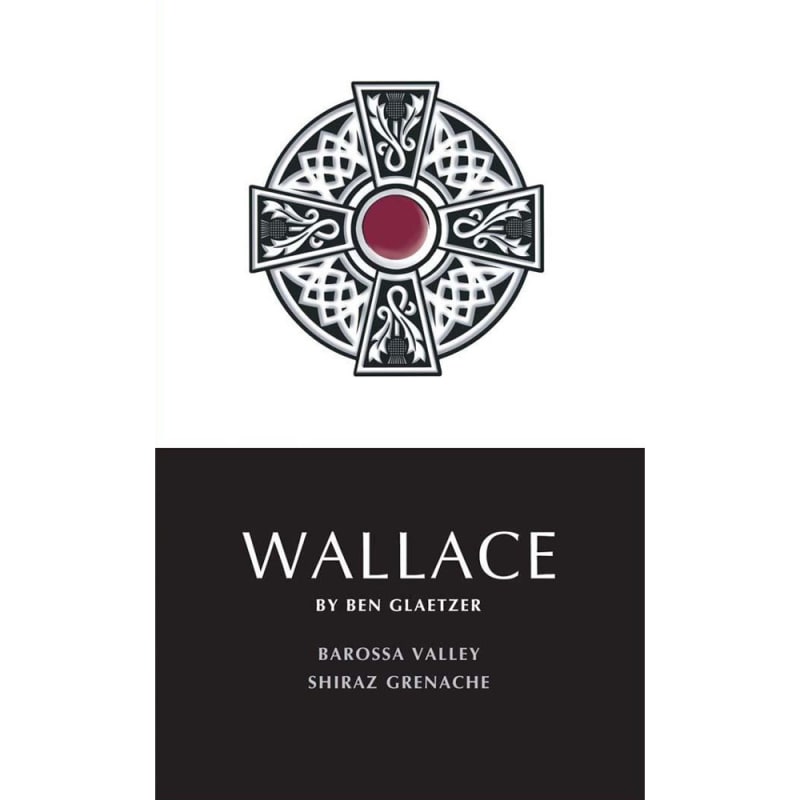

Winemaker Notes
The grenache fruit was powerful and robust in 2008, allowing it to play a strong role in the final blend. The percentage of Grenache has dropped to 20% for this release to allow for this intensity.
Professional Ratings
-
Robert Parker's Wine Advocate
The 2008 Wallace is a blend of 80% Shiraz from 45-130 year old vines and 20% bush vine Grenache from 75 year old vines located in the prime Ebenezer district of Barossa. Yields were a meager 1.5 tons per acre. Dark ruby-colored, it has an alluring bouquet of smoke, violets, incense, black cherry, and blueberry. The wine has a bit of underlying structure, medium to full-body, plenty of sweet fruit, but a slightly compact finish. This pleasure-bent effort is an outstanding value.
-
Wine Spectator
This refreshing, exhuberant style trumpets its cherry, rhubarb and raspberry fruit, but tempers to fine tannins and deft balance of acidity, finishing with harmony. Drink now through 2016. 3,500 cases made.


With bold fruit flavors and accents of sweet spice, Grenache, Syrah and Mourvèdre form the base of the classic Rhône Red Blend, while Carignan, Cinsault and Counoise often come in to play. Though they originated from France’s southern Rhône Valley, with some creative interpretation, Rhône blends have also become popular in other countries. Somm Secret—Putting their own local spin on the Rhône Red Blend, those from Priorat often include Merlot and Cabernet Sauvignon. In California, it is not uncommon to see Petite Sirah make an appearance.

Historically and presently the most important wine-producing region of Australia, the Barossa Valley is set in the Barossa zone of South Australia, where more than half of the country’s wine is made. Because the climate is very hot and dry, vineyard managers work diligently to ensure grapes reach the perfect levels of phenolic ripeness.
The intense heat is ideal for plush, bold reds, particularly Shiraz on its own or Rhône Blends. Often Shiraz and Cabernet partner up for plump and powerful reds.
While much less prevalent, light-skinned varieties such as Riesling, Viognier or Semillon produce vibrant Barossa Valley whites.
Most of Australia’s largest wine producers are based here and Shiraz plantings date back as far as the 1850s or before. Many of them are dry farmed and bush trained, still offering less than one ton per acre of inky, intense, purple juice.