


Winemaker Notes
Straw yellow with light golden highlights. A fine and elegant bouquet where the typical citrus and floral notes stand out, with light spicy hints. Fresh, savory in which the acid component balances the alcohol component and makes the wine persistent, long and extremely mineral.
Professional Ratings
-
James Suckling
An intense, vibrant and aromatic wine full of broom flowers, showing grapefruit, straw and apples. This has fruit sweetness, crisp acidity and light to medium body. The lavish palate has good length and a toasty finish. Drink or hold.
-
Decanter
Peachy and generous, Giuseppe Russo's Nerina in 2024 harnesses the vintage to put its aromatics front and centre (helped along by the inclusion of Inzolia). White peach, apple, jasmine, white grapefruit and a touch of dried mango are tied together by wisps of volcanic smoke and rocky salinity. What more do you want?!
-
Robert Parker's Wine Advocate
The Girolamo Russo 2024 Etna Bianca Nerina is 85% Carricante and 15% other local grapes with a grassy side and aromas of the wild chamomile flower that grows on the slopes of Etna. The wine is balanced and not too fresh in this warm vintage but with a nice sense of easy-drinking fruit and accessibility.
-
Vinous
The 2024 Etna Bianco Nerina is spicy to the core with shavings of lemon complemented by rosemary and ginger. It's soothingly round and pliant with sweet green melon and herbal tones carried across a stream of fresh acidity. This leaves the palate completely refreshed, tapering off clean and crisp while leaving pretty inner florals to fade slowly on the finish.

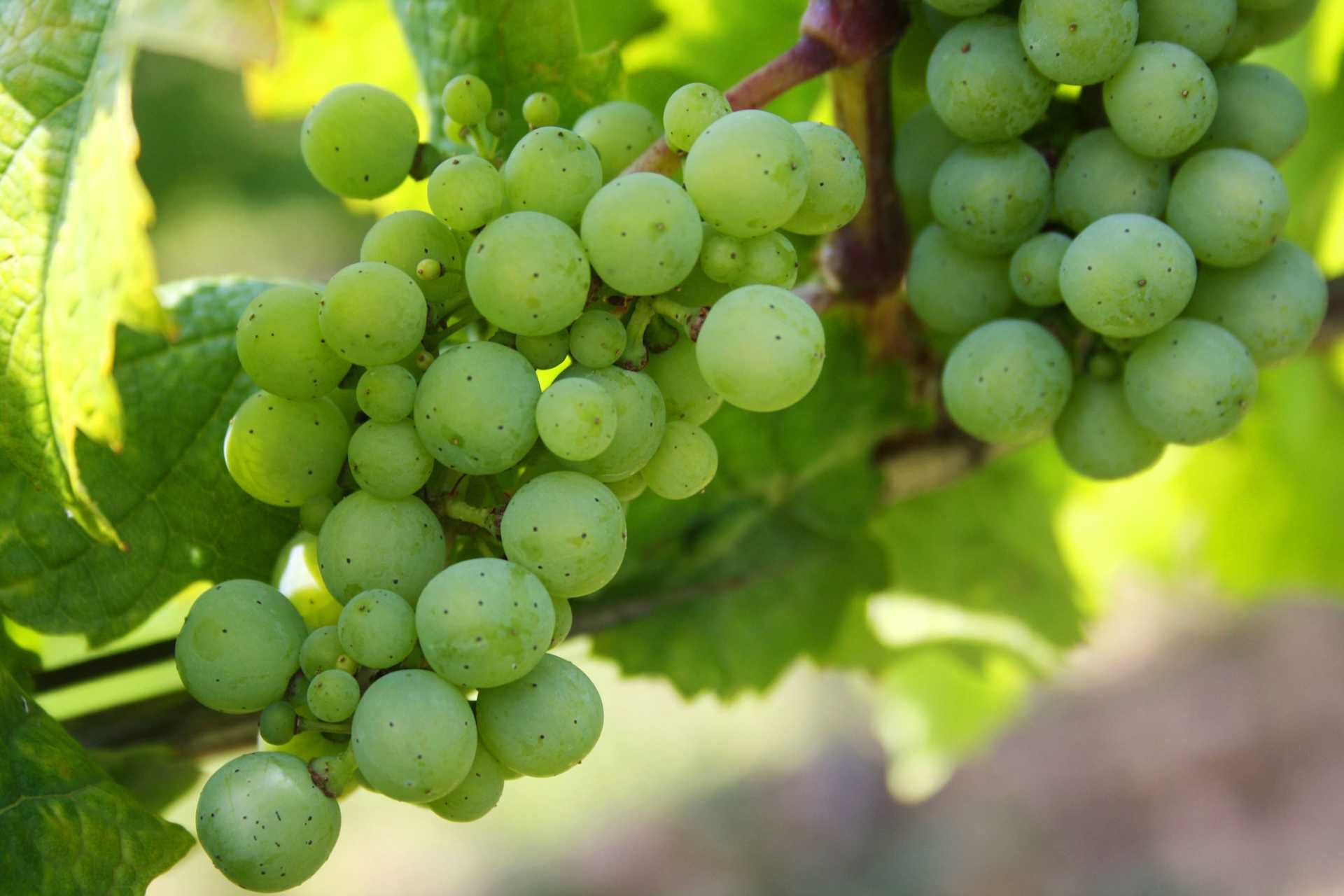
With hundreds of white grape varieties to choose from, winemakers have the freedom to create a virtually endless assortment of blended white wines. In many European regions, strict laws are in place determining the set of varieties that may be used in white wine blends, but in the New World, experimentation is permitted and encouraged. Blending can be utilized to enhance balance or create complexity, lending different layers of flavors and aromas. For example, a variety that creates a soft and full-bodied white wine blend, like Chardonnay, would do well combined with one that is more fragrant and naturally high in acidity. Sometimes small amounts of a particular variety are added to boost color or aromatics. Blending can take place before or after fermentation, with the latter, more popular option giving more control to the winemaker over the final qualities of the wine.

A large, geographically and climatically diverse island, just off the toe of Italy, Sicily has long been recognized for its fortified Marsala wines. But it is also a wonderful source of diverse, high quality red and white wines. Steadily increasing in popularity over the past few decades, Italy’s fourth largest wine-producing region is finally receiving the accolades it deserves and shining in today's global market.
Though most think of the climate here as simply hot and dry, variations on this sun-drenched island range from cool Mediterranean along the coastlines to more extreme in its inland zones. Of particular note are the various microclimates of Europe's largest volcano, Mount Etna, where vineyards grow on drastically steep hillsides and varying aspects to the Ionian Sea. The more noteworthy red and white Sicilian wines that come from the volcanic soils of Mount Etna include Nerello Mascalese and Nerello Cappuccio (reds) and Carricante (whites). All share a racy streak of minerality and, at their best, bear resemblance to their respective red and white Burgundies.
Nero d’Avola is the most widely planted red variety, and is great either as single varietal bottling or in blends with other indigenous varieties or even with international ones. For example, Nero d'Avola is blended with the lighter and floral, Frappato grape, to create the elegant, Cerasuolo di Vittoria, one of the more traditional and respected Sicilian wines of the island.
Grillo and Inzolia, the grapes of Marsala, are also used to produce aromatic, crisp dry Sicilian white. Pantelleria, a subtropical island belonging to the province of Sicily, specializes in Moscato di Pantelleria, made from the variety locally known as Zibibbo.