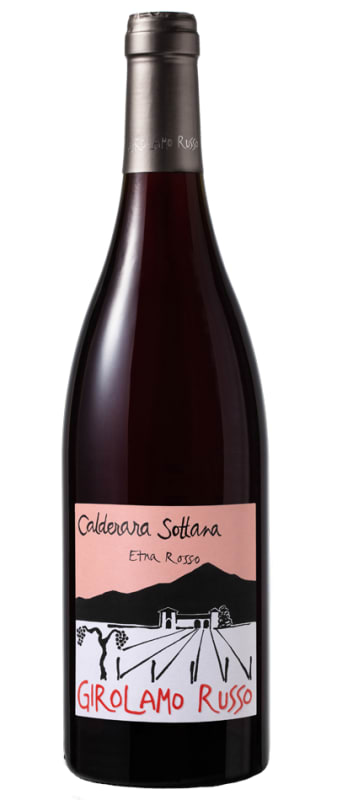


Winemaker Notes
Intense ruby red. Extremely complex bouquet of blackberry, currant and morello cherry, perfectly complemented by hints of Mediterranean herbs. Ample, of considerable elegance, supported by a vein of acidity that makes it fresh and vibrant, with excellent structure and remarkable persistence on the palate.
Blend: 94% Nerello Mascalese, 6% Nerello Cappuccio
Professional Ratings
-
James Suckling
A slightly funky nose with a touch of reduction at the very first sniff. This shows strawberries, lemon zest, watermelon and peaches. Soft and smooth on the attack, this has velvety tannins and crisp, lifted acidity. Energetic due to its freshness and precise finish. Drink or hold.
-
Robert Parker's Wine Advocate
The Girolamo Russo 2022 Etna Rosso Calderara Sottana is 98% Nerello Mascalese and 2% Nerello Cappuccio from 90-year-old plants at a moderate 500 meters in elevation. The wine reveals a dark ruby color with plenty of shine. Mineral nuances are laced throughout its elegantly lean-bodied finish. You also recognize wild cherry, redcurrant and a spicy hint of clove. It ends on a finely polished note that adds to an enduring sense of length.
-
Vinous
The 2022 Etna Rosso Calderara Sottana is dusty, with a beguiling blend of rose petals and geraniums giving way to cloves and woodland berries. Cool-toned and pliant, this maintains its floral character throughout while adding hints of sour citrus that add primary depths. Calderara Sottana minerality and gripping tannins come through on the finish as the 2022 leaves the senses saturated, while a resonance of brown spice lingers on. Have patience with this beastly effort—it may be even better with time.
Rating: 94+ -
Decanter
From 50-year-old alberello vines. Aromas of morel cherry, tobacco, dried red flowers and a hint of tobacco introduce a medium-full palate with excellent ripeness. The fruit has a bright sweetness to it, supported by medium-weight, sleek tannins and very good acidity. Beautifully integrated wood notes lead to a delightfully persistent finish dominated by ripe cherry, and notes of fig and currant. Approachable now, but better in another year.


Beyond the usual suspects, there are hundreds of red grape varieties grown throughout the world. Some are indigenous specialties capable of producing excellent single varietal wines, while others are better suited for use as blending grapes. Each has its own distinct viticultural characteristics, as well as aroma and flavor profiles, offering much to be discovered by the curious wine lover. In particular, Portugal and Italy are known for having a multitude of unique varieties but they can really be found in any region.

A large, geographically and climatically diverse island, just off the toe of Italy, Sicily has long been recognized for its fortified Marsala wines. But it is also a wonderful source of diverse, high quality red and white wines. Steadily increasing in popularity over the past few decades, Italy’s fourth largest wine-producing region is finally receiving the accolades it deserves and shining in today's global market.
Though most think of the climate here as simply hot and dry, variations on this sun-drenched island range from cool Mediterranean along the coastlines to more extreme in its inland zones. Of particular note are the various microclimates of Europe's largest volcano, Mount Etna, where vineyards grow on drastically steep hillsides and varying aspects to the Ionian Sea. The more noteworthy red and white Sicilian wines that come from the volcanic soils of Mount Etna include Nerello Mascalese and Nerello Cappuccio (reds) and Carricante (whites). All share a racy streak of minerality and, at their best, bear resemblance to their respective red and white Burgundies.
Nero d’Avola is the most widely planted red variety, and is great either as single varietal bottling or in blends with other indigenous varieties or even with international ones. For example, Nero d'Avola is blended with the lighter and floral, Frappato grape, to create the elegant, Cerasuolo di Vittoria, one of the more traditional and respected Sicilian wines of the island.
Grillo and Inzolia, the grapes of Marsala, are also used to produce aromatic, crisp dry Sicilian white. Pantelleria, a subtropical island belonging to the province of Sicily, specializes in Moscato di Pantelleria, made from the variety locally known as Zibibbo.