


Winemaker Notes
The 'Il Campo' Bianco bottling is made up of mostly Falanghina from the Castoro Jack Knife Vineyard in the Estrella District of Paso Robles, with the remaining blend made up of Pinot Grigio from the Santa Margarita Vineyard of Santa Margarita Ranch in southern Paso Robles. The Falanghina grows on silty clay-loam with excellent drainage upon a 50% slope facing North East. The vines are own-rooted vines are organically farmed. The Pinot Grigio grows on soils made up of ancient seabed, shale, rocky alluvium, granitic and volcanic in the southern-most part of Paso Robles AVA, at an elevation of 1200 feet. After harvested and collected the grapes are de-stemmed, crushed and soaked on skins for a few hours. They are then sall-basket pressed into stainless steel and fermented using native yeasts.
Professional Ratings
-
Wine Enthusiast
The 2023 Il Campo Bianco combines 40% Vermentino, 40% Falanghina and 20% Trebbiano. The nose is exuberant and floral, with fresh aromas of jasmine, citrus blossoms, ocean spray and white nectarine. Medium-bodied, clean and direct on the palate, it finishes on a floral note braced with refreshing but tempered acidity.

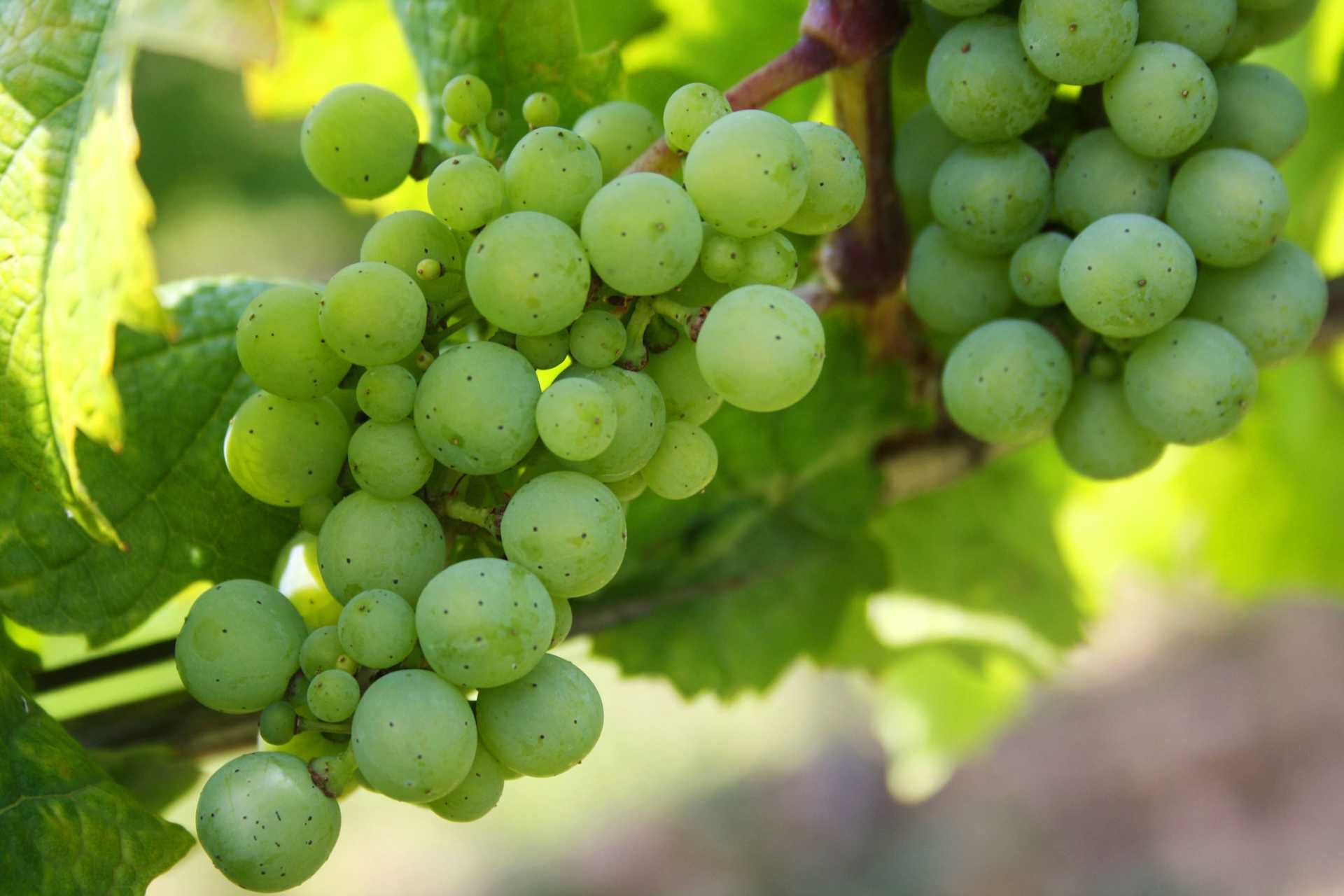
With hundreds of white grape varieties to choose from, winemakers have the freedom to create a virtually endless assortment of blended white wines. In many European regions, strict laws are in place determining the set of varieties that may be used in white wine blends, but in the New World, experimentation is permitted and encouraged. Blending can be utilized to enhance balance or create complexity, lending different layers of flavors and aromas. For example, a variety that creates a soft and full-bodied white wine blend, like Chardonnay, would do well combined with one that is more fragrant and naturally high in acidity. Sometimes small amounts of a particular variety are added to boost color or aromatics. Blending can take place before or after fermentation, with the latter, more popular option giving more control to the winemaker over the final qualities of the wine.

Paso Robles has made a name for itself as a source of supple, powerful, fruit-driven Central Coast wines. But with eleven smaller sub-AVAs, there is actually quite a bit of diversity to be found in this inland portion of California’s Central Coast.
Just east over the Santa Lucia Mountains from the chilly Pacific Ocean, lie the coolest in the region: Adelaida, Templeton Gap and (Paso Robles) Willow Creek Districts, as well as York Mountain AVA and Santa Margarita Ranch. These all experience more ocean fog, wind and precipitation compared to the rest of the Paso sub-appellations. The San Miguel, (Paso Robles) Estrella, (Paso Robles) Geneso, (Paso Robles) Highlands, El Pomar and Creston Districts, along with San Juan Creek, are the hotter, more western appellations of the greater Paso Robles AVA.
This is mostly red wine country, with Cabernet Sauvignon and Zinfandel standing out as the star performers. Other popular varieties include Merlot, Petite Sirah, Petit Verdot, Syrah, Grenache and Rhône blends, both red and white. There is a fairly uniform tendency here towards wines that are unapologetically bold and opulently fruit-driven, albeit with a surprising amount of acidity thanks to the region’s chilly nighttime temperatures.