


Winemaker Notes
This alcohol-removed Riesling features notes of lime, citrus blossom and elderflower on the nose. The palate offers lively and refreshing Riesling characters, with zingy lime, ripe mandarin and delicious sweetness, all balanced by crisp acidity. Perfect for enjoying at home, out with friends and family, or any time you’d prefer a glass of wine without the after-effects.
Try this alcohol-removed Riesling with a fresh fruit salad or citrus ceviche with avocado.



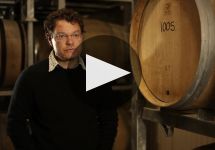
From the Estate Range to the Single Vineyard Series, Giesen delivers stylish wines that showcase the riches of Marlborough.
Proudly family-owned by three brothers Theo, Alex and Marcel since 1981. Originally from Germany, today the Giesen brothers are the proprietors of 13 vineyards located throughout the highly sought after Wairau Valley, a subregion of Marlborough. The vineyards spread across the length & breadth of the valley giving a range of grape growing conditions and flavor. 20% of Giesen vineyards are certified organic or in transition.
The Giesens are the leading buyers of German 1,000 liter Fuder barrels in New Zealand. The Fuders are coveted in winemaking for the lees influence (due to large dimension across the bottom of the barrel) as well as the lighter oak toasting – which provides an aromatic sweetness. Giesen is known and respected for showcasing Marborough’s unique vineyard and vintage characteristics and to delivering superb vine-to-bottle quality across the range

Riesling possesses a remarkable ability to reflect the character of wherever it is grown while still maintaining its identity. A regal variety of incredible purity and precision, this versatile grape can be just as enjoyable dry or sweet, young or old, still or sparkling and can age longer than nearly any other white variety. Somm Secret—Given how difficult it is to discern the level of sweetness in a Riesling from the label, here are some clues to find the dry ones. First, look for the world “trocken.” (“Halbtrocken” or “feinherb” mean off-dry.) Also a higher abv usually indicates a drier Riesling.

An icon and leading region of New Zealand's distinctive style of Sauvignon blanc, Marlborough has a unique terroir, making it ideal for high quality grape production (of many varieties). Despite some common generalizations, which could be fairly justified given that Marlborough is responsible for 90% of New Zealand's Sauvignon blanc production, the wines from this region are actually anything but homogenous. At the northern tip of New Zealand’s South Island, the vineyards of Marlborough benefit from well-draining, stony soils, a dry, sunny climate and wide temperature fluctuations between day and night, a phenomenon that supports a perfect balance between berry ripeness and acidity.
The region’s king variety, Sauvignon blanc, is beloved for its pungent, aromatic character with notes of exotic tropical fruit, freshly cut grass and green bell pepper along with a refreshing streak of stony minerality. These wines are made in a wide range of styles, and winemakers take advantage of various clones, vineyard sites, fermentation styles, lees-stirring and aging regimens to differentiate their bottlings, one from one another.
Also produced successfully here are fruit-forward Pinot noirs (especially where soils are clay-rich), elegant Riesling, Pinot gris and Gewürztraminer.