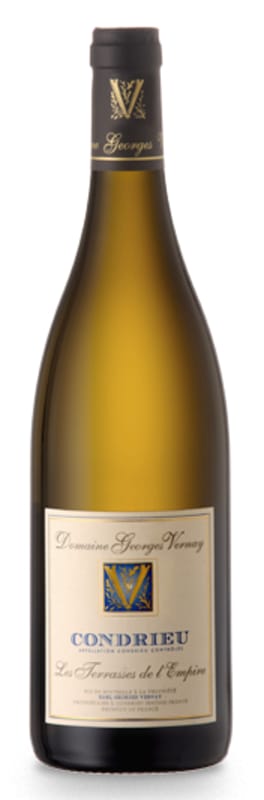


Winemaker Notes
Professional Ratings
-
Decanter
A touch of mango and green banana to the apricot fruit, with a hint of macadamia nut. This is full and flowing, with a good mineral spine and sense of freshness from the balancing acidity. Tailored and tucked in, it's a very drinkable expression among some rather flabby 2016s.
-
James Suckling
Mostly stainless steel, just 10% of this sees older oak. A hint of smokiness and flintiness with extremely pure white apricot and peach, and some chalky nuances on the nose, too. The palate has a pure, smooth and supple feel. Nicely compressed and salty minerals. A gently spicy finish and pure white peach to close.
-
Robert Parker's Wine Advocate
Vernay's only 2016 Condrieu to be bottled at the time of my tasting, the 2016 Condrieu les Terrasses de l'Empire reflects the restrained house style, marrying appealing notes of honeysuckle and lime with crushed stone. It expands slightly into a pleasantly plump mid-palate, then finishes dry, crisp and austere. It should drink well for a few years.

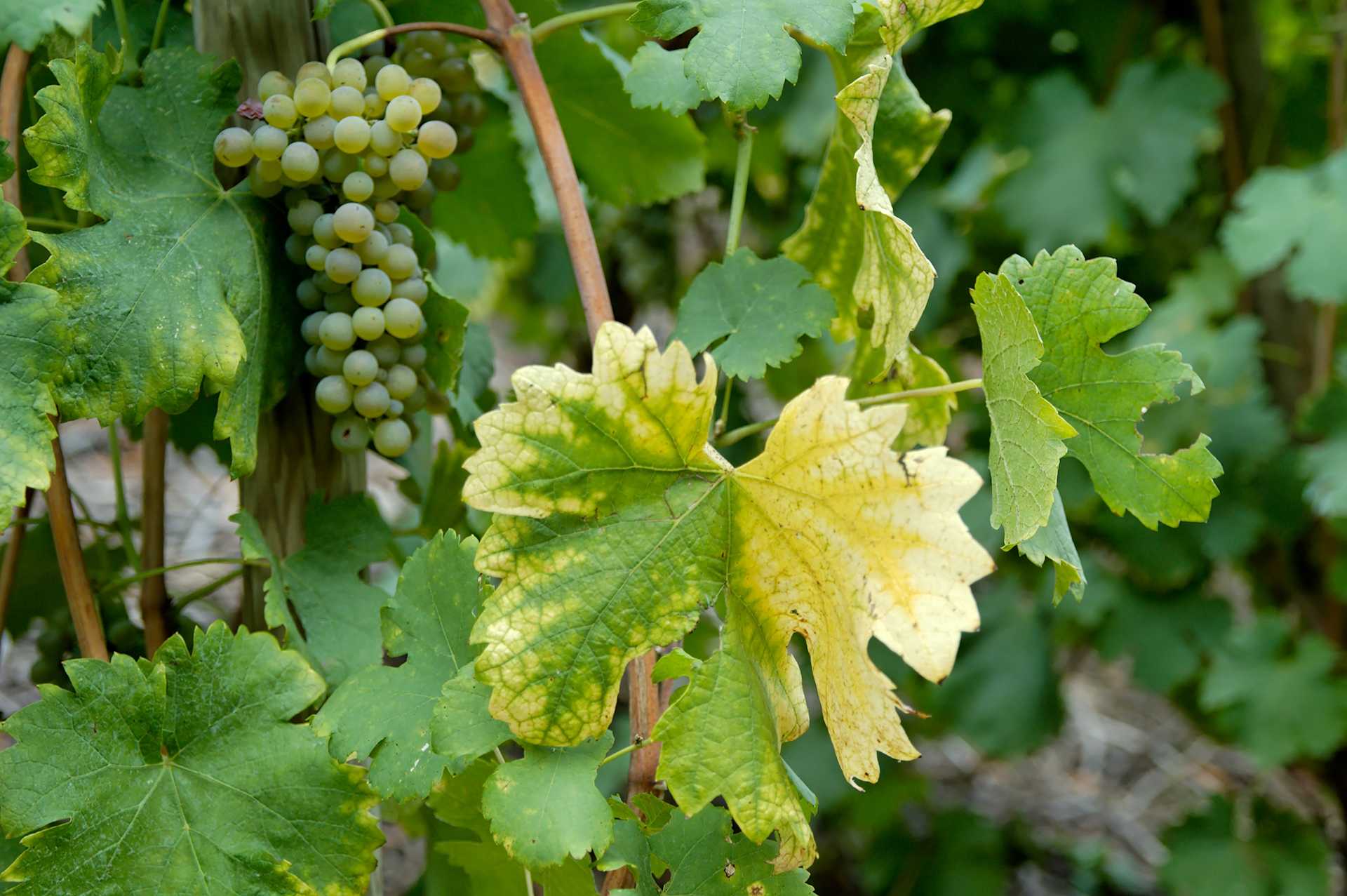
Full-figured and charmingly floral, Viognier is one of the most important white grapes of the northern Rhône where it is used both to produce single varietal wines and as an important blending grape. Look for great New World examples from California, Oregon, Washington and cooler parts of Australia. Somm Secret—Viognier plays a surprisingly important role in the red wines of Côte Rôtie in the northern Rhône. About 5% Viognier is typically co-fermented with the Syrah in order to stabilize the color, and as an added benefit, add a subtle perfume.

As the source of some of the most vibrant and powerful white wines in France, Condrieu is uniquely situated in one of the northern outposts of the Rhone River. It is the original Viognier appellation with a wine growing history reaching back well over two thousand years. Like most of the wine regions of the Northern Rhone, Condrieu’s vines grow on extremely steep and narrow granite terraces. But what makes the region unique is a topsoil, locally called, “arzelle,” made of decomposed mica. This and a sheltering of the harsh northern winds, make optimal sites to produce opulent and brilliant Viognier. It is a tiny zone with no room for expansion and produces miniscule amounts of wine each year, contributing to its allure.
A fine Condrieu will have aromas and flavors suggestive of ripe stone fruit, lime peel, green almond, ginger, white flowers and toasted nuts. A honeyed smell may mislead you to think the wine will be sweet but the modern style favors totally dry on the palate. Its texture will be full and soft but a touch of mineral will provide great balance.