

Winemaker Notes
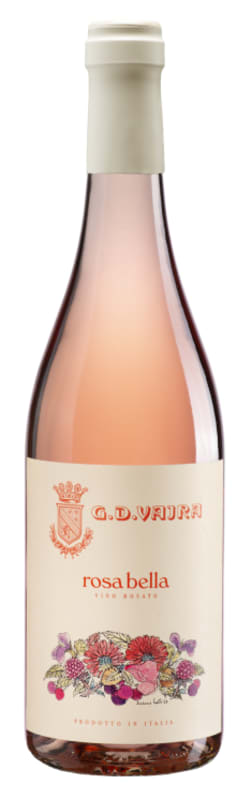
Rosabella is a rosé de saignée, produced with the lighted touch in order to preserve the lightness and fragrance of the grapes. First produced between 2004 and 2007, Rosabella is a focus on Nebbiolo, with small amounts of Barbera and Dolcetto.



The Vajra family has farmed Bricco delle Viole, the highest cru in Comune di Barolo, since the 1880s. At the young age of fifteen, Aldo Vajra embraced the dream to revive his family legacy. Displaying a vision and commitment belying his young age he took over the estate in 1968, turning a new page.
Aldo soon acquired the first organic certification of the region (1971), created private biotype selections (selezioni massali) of Nebbiolo and Dolcetto, pioneered the renaissance of Freisa, a noble yet forgotten local grape (1980) and the cultivation of Rhine Riesling in Piemonte (1985).
Today, the Vajra family continues the vineyard research focusing on the influence of soil and climate change. The winery is trail-blazing the rediscovery of Chiaretto di Nebbiolo and the wines of the 17th century – long before Barolo was created - through two limited-production wines: "N.S. della Neve" (a champagne-method rosé brut) and "Claré J.C.", a partial whole-cluster fermentation of pure Nebbiolo.
High elevation vineyards are a unique factor to the Vajra wines, for their ability to express finesse and remarkable complexity over power.
Attention to details and humility towards the nature, uncompromised efforts and humanity: so are Aldo and Milena, now joined by their energetic children Giuseppe, Francesca and Isidoro, and by an amazing team of young professionals, in their quest for an authentic expression of their land into the wines. G.D. Vajra is an independent winery, entirely family-owned.
The winery quality focus grows during the years, SNQPI (2016) and Equalitas (2022) joined their certifications pack, the research on the flora and fauna, the improvement of biodiversity and the preservation of the old vines are a part of their everyday life and the future goal. G.D. Vajra is an independent winery, entirely family-owned.
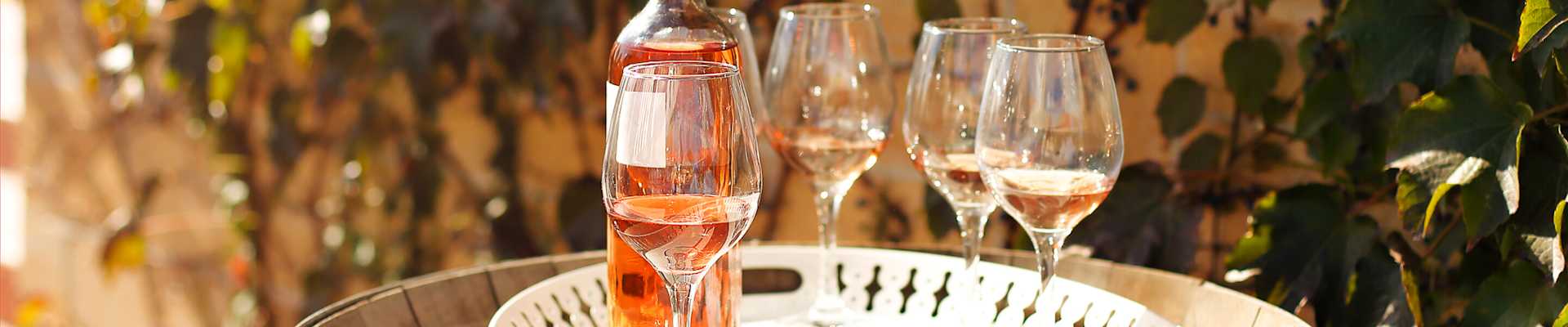
Whether it’s playful and fun or savory and serious, most rosé today is not your grandmother’s White Zinfandel, though that category remains strong. Pink wine has recently become quite trendy, and this time around it’s commonly quite dry. Since the pigment in red wines comes from keeping fermenting juice in contact with the grape skins for an extended period, it follows that a pink wine can be made using just a brief period of skin contact—usually just a couple of days. The resulting color depends on grape variety and winemaking style, ranging from pale salmon to deep magenta.

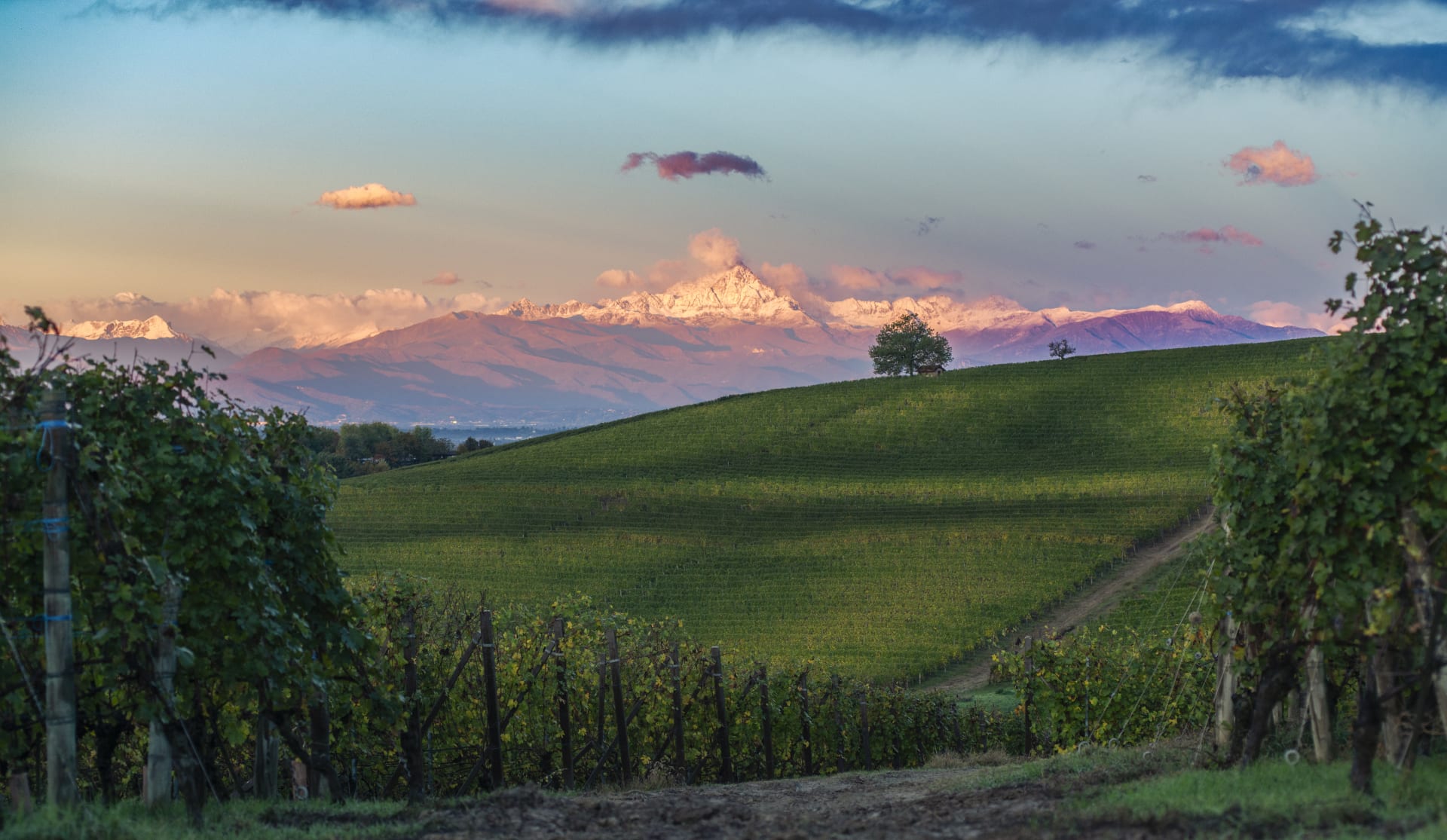
Set upon a backdrop of the visually stunning Alps, the enchanting and rolling hills of Piedmont are the source of some of the country’s longest-lived and most sought-after red wines. Vineyards cover a great majority of the land area—especially in Barolo—with the most prized sites at the top hilltops or on south-facing slopes where sunlight exposure is maximized. Piedmont has a continental climate with hot, humid summers leading to cold winters and precipitation year-round. The reliable autumnal fog provides a cooling effect, especially beneficial for Nebbiolo, Piedmont’s most prestigious variety.
In fact, Nebbiolo is named exactly for the arrival of this pre-harvest fog (called “nebbia” in Italian), which prolongs cluster hang time and allows full phenolic balance and ripeness. Harvest of Nebbiolo is last among Piedmont's wine varieties, occurring sometime in October. This grape is responsible for the exalted Piedmont wines of Barbaresco and Barolo, known for their ageability, firm tannins and hallmark aromas of tar and roses. Nebbiolo wines, despite their pale hue, pack a pleasing punch of flavor and structure; the best examples can require about a decade’s wait before they become approachable. Barbaresco tends to be more elegant in style while Barolo is more powerful. Across the Tanaro River, the Roero region, and farther north, the regions of Gattinara and Ghemme, also produce excellent quality Nebbiolo.
Easy-going Barbera is the most planted grape in Piedmont, beloved for its trademark high acidity, low tannin and juicy red fruit. Dolcetto, Piedmont’s other important red grape, is usually ready within a couple of years of release.
White wines, while less ubiquitous here, should not be missed. Key Piedmont wine varieties include Arneis, Cortese, Timorasso, Erbaluce and the sweet, charming Muscat, responsible for the brilliantly recognizable, Moscato d'Asti.