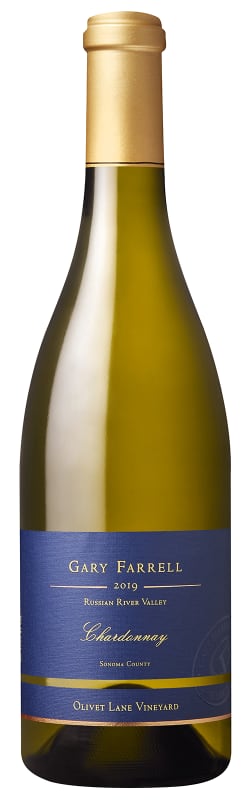


Winemaker Notes
Professional Ratings
-
James Suckling
Floral and slightly yeasty on the nose, with notes of grapefruit and sliced green apple as well. Medium-to full-bodied with pleasant salinity. Subtle herbs and spices add good complexity. Wet-stone finish.
-
Tasting Panel
Toasty, with pure and crisp acidity; a classic wine that’s equal parts balanced, intense, and silky
-
Wine Enthusiast
From the great site planted originally in 1975, this light- bodied white is bright in tangerine and lemon peel, with an ongoing bite of acidity. Anise, honeysuckle and a touch of oak provide a subtle roundness and richness on the palate.
-
Wine Spectator
This has intense pineapple, apricot and yuzu flavors that are mouthwatering on a lean, crisp frame. Packs plenty of intensity, with a note of sea salt on the finish.


One of the most popular and versatile white wine grapes, Chardonnay offers a wide range of flavors and styles depending on where it is grown and how it is made. While it tends to flourish in most environments, Chardonnay from its Burgundian homeland produces some of the most remarkable and longest lived examples. California produces both oaky, buttery styles and leaner, European-inspired wines. Somm Secret—The Burgundian subregion of Chablis, while typically using older oak barrels, produces a bright style similar to the unoaked style. Anyone who doesn't like oaky Chardonnay would likely enjoy Chablis.

A standout region for its decidedly Californian take on Burgundian varieties, the Russian River Valley is named for the eponymous river that flows through it. While there are warm pockets of the AVA, it is mostly a cool-climate growing region thanks to breezes and fog from the nearby Pacific Ocean.
Chardonnay and Pinot Noir reign supreme in Russian River, with the best examples demonstrating a unique combination of richness and restraint. The cool weather makes Russian River an ideal AVA for sparkling wine production, utilizing the aforementioned varieties. Zinfandel also performs exceptionally well here. Within the Russian River Valley lie the smaller appellations of Chalk Hill and Green Valley. The former, farther from the ocean, is relatively warm, with a focus on red and white Bordeaux varieties. The latter is the coolest, foggiest parcel of the Russian River Valley and is responsible for outstanding Pinot Noir and Chardonnay.