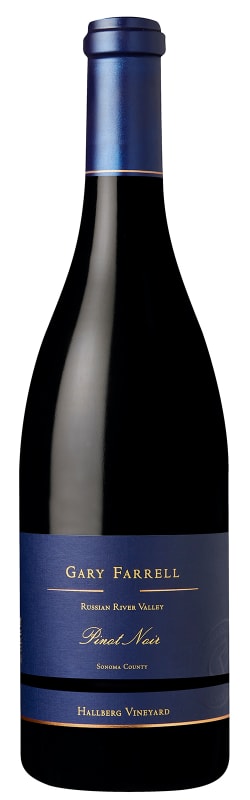


Winemaker Notes
This stunning Hallberg exudes cool climate Pinot Noir aromatics of Mullberry, Bay Laurel, Fennel, Satsuma zest and fresh cedar. The palate opens with vibrant flavors of Bing cherry compote, cassis and Hibiscus, followed by earthy tamarind and Oolong tea. The finish is velvety and seductive, yet tangy, with ample acidity to offer years of age in the bottle. A beautiful example of dry farmed Pinot Noir from a cool Coastal climate.
Blend: 100% Pinot Noir
Professional Ratings
-
Wine Enthusiast
This nervy, wellstructured wine offers tangy cranberry and dried cherry flavors backed by good acidity and moderate tannin. While not overly full in body, it has the grippy texture to pair with something indulgent and gamy like roast duck or pheasant.
-
Wine Spectator
Sleek and refined, with understated blood orange and raspberry coulis notes dusted with incense and savory accents. Ends with a light sanguine echo.




Imagine a winemaking region just hours north of San Francisco rich in diversity and distinctive terroir, a well-kept secret tucked amongst the towering redwoods and influenced by the Pacific Ocean. Over half a century ago, pioneering growers recognized the Russian River Valley as a place that just might produce Pinot Noir that rivaled the villages of Burgundy. After decades of winemaking and selective planting, their valley has become internationally known for producing Pinot that is distinctly American and reflects the natural influences of their terroir.
Gary Farrell Winemaker, Theresa Heredia, grape growers and other winemakers within the Russian River Valley have always recognized that certain regions of the valley produced distinctly different wines. Since the 2014 Vintage, they have been monitoring whether characteristics like aroma, texture and others can be attributed to specific sections of the Valley. This deep dive into Russian River Pinot Noir has become the Neighborhoods Initiative that is also a hallmark of their Single Vineyard winemaking, and their elevated Salon experiences.
The concept of a neighborhood is truly an American idea, and is more concerned with defining the characteristics a specific cluster of vineyards produce than defining the geographical boundaries. It’s both a sense of community and terroir at the same time

While the Russian River Valley is a large appellation with multiple climate zones and soil types, it is best known for cool-climate varieties, with Pinot Noir as the most celebrated. The grapes benefit from a reliable late afternoon flow of Pacific Ocean fog through the Petaluma Gap and along the Russian River Valley that ensures slow and steady ripening and the preservation of grape acidity. Today many of California’s most highly regarded Pinot Noir vineyards are in the Russian River Valley, along with its sub-appellation, Green Valley.
Historically Russian River Valley Pinot Noirs had bright red fruit and delicate earthy, mineral notes. But changes in viticultural and winemaking practices have led to stylistic changes in some of the region’s wines. Adjustments to canopy management, among other techniques, have resulted in riper fruit and bolder wines as well. These show flavors of black cherry, blackberry, cola, spice and darker, loamy earth tones, accenting traditional Pinot Noir notes of strawberry, raspberry and light cherry.