


Winemaker Notes
It’s surprisingly floral and aromatic, fresh and clean, with a vibrant palate, focused and delicious.
Professional Ratings
-
Robert Parker's Wine Advocate
The 2022 País-Cariñena Phoenix Ferment was marginally riper than the 2021, with 12.9% alcohol, a pH of 3.14 and 6.38 grams of acidity. It's still aromatic and harmonious, a food wine, fresh and balanced. It feels a little younger and more primary than the 2021 that today shows more complexity. Maybe it's just a difference in age. This is young and tender and should develop nicely in bottle.
-
Vinous
The 2022 País-Cariñena Phoenix Ferment is an 86-14% blend from Cauquenes, Maule. Onion skin pink in hue. The expressive peach and sweet cherry nose contains faint hints of herbs. Dry and taut in the mouth, the malic palate makes for a vibrant, lean and refreshing flow. A long-lasting high-pitched Provençal rosé.

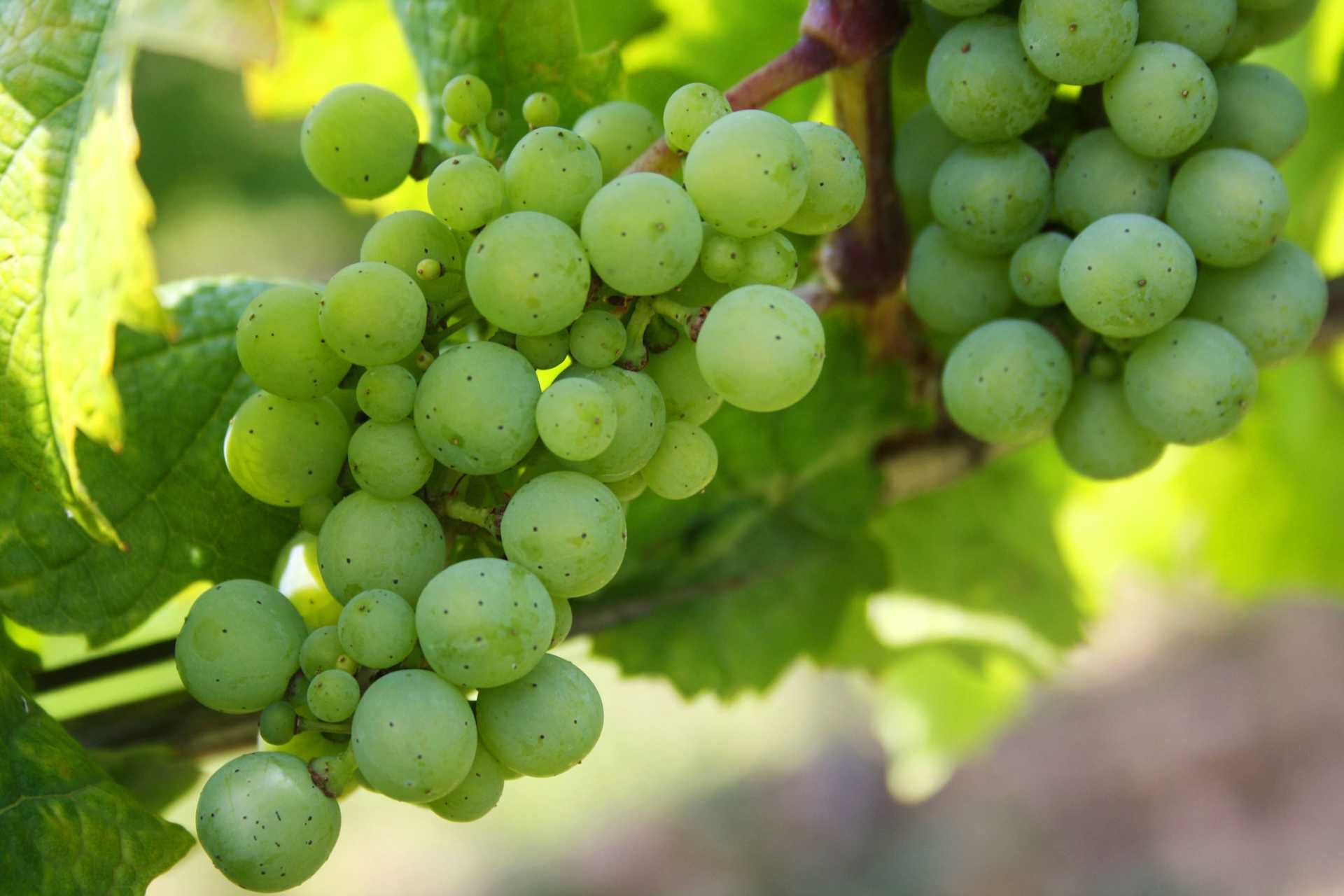
With hundreds of white grape varieties to choose from, winemakers have the freedom to create a virtually endless assortment of blended white wines. In many European regions, strict laws are in place determining the set of varieties that may be used in white wine blends, but in the New World, experimentation is permitted and encouraged. Blending can be utilized to enhance balance or create complexity, lending different layers of flavors and aromas. For example, a variety that creates a soft and full-bodied white wine blend, like Chardonnay, would do well combined with one that is more fragrant and naturally high in acidity. Sometimes small amounts of a particular variety are added to boost color or aromatics. Blending can take place before or after fermentation, with the latter, more popular option giving more control to the winemaker over the final qualities of the wine.

Maule is the Central Valley’s most southern and coolest zone, reaching a southern latitude of 35°S, yet it is still warmer and drier than Bío-Bío to its south. The Maule Valley enjoys success with a unique set of grapes.
It lays claim to the local variety, Pais (synonymous with Tinta Pais, which is actually Tempranillo), which has dominated much of the region’s area under vine until the recent past. Now many growers, not confined by the tradition and regulations of the Old World, also successfully grow Cabernet Sauvignon.
While Maule’s total area under vine remains relatively static, its old Carignan vineyards are undergoing a great revival. The VIGNO (Vignadores del Carignan Vintners) group, an association in charge of promoting this long-forgotten variety, is getting fantastic results from the old vines in its dry-farmed coastal zones.
The Maule includes the subregions of Talca, San Clemente, San Javier, Parral, Linares and Cauquenes.