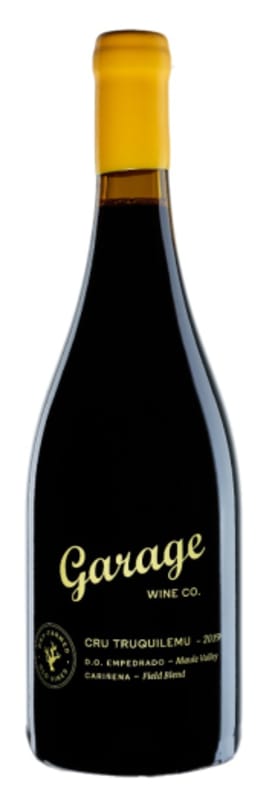


Winemaker Notes
Still young and austere. The aromatics display a wonderfully crisp, pure delineated red cherry and a blue fruit scented top note with plenty of granitic minerality and graphite in support. The nose is floral, elegant, perhaps more subtle than 2016, becoming deeper and more nuanced with time in the glass. The palate shows great freshness with a thread of fine acidity going through its backbone. Spice and mineral-accented aromas of red and blue fruit joined by slowly emerging violet and notes of murtilla. Sappy and concentrated yet lithe and sultry, with energetic black raspberry and floral pastille flavours on the mid-palette and a bracing suggestion of blood orange that adds bite to the back half. Long, long life ahead.
Professional Ratings
-
Robert Parker's Wine Advocate
The 2019 Truquilemu Vineyard follows the path of the brilliant 2018 with moderate alcohol (13.1%) and great freshness and acidity, a tad below in refinement (within the authentic and rustic character of the zone and the wines), from the old vines on the Coastal Range mountains where the soils have lots of quartz, full of crystals on decomposed granite with silty and sandy texture. The cool place and the soil provide very fresh wines even in warmer and drier years, worked following ancestral traditions and pruned with the moon cycles but not to a modern biodynamic calendar, but rather with local custom. Tasting the different wines from the same vineyard from 2018 and 2019 was fascinating, and the wines didn't stop changing in the glass for hours. I think all these wines are going to develop nicely in bottle.


Responsible for some of the most stunning old vine red wine on the planet, Carignan has an amazing capacity to survive dry, arid climates and still produce lovely, mouthwatering wine. In Spain it goes by the name of Mazuelo or Cariñena and while it may have originated there in the province of Aragón, its popularity lies elsewhere, particularly in Languedoc-Roussillon. Somm Secret—Historically Carignan did not enjoy the respect that it does today. In the mid 20th century, Carignan covered nearly 140,000 ha in Algeria, where it was made into low quality bulk and blending wine to supply mass-market demand.

Maule is the Central Valley’s most southern and coolest zone, reaching a southern latitude of 35°S, yet it is still warmer and drier than Bío-Bío to its south. The Maule Valley enjoys success with a unique set of grapes.
It lays claim to the local variety, Pais (synonymous with Tinta Pais, which is actually Tempranillo), which has dominated much of the region’s area under vine until the recent past. Now many growers, not confined by the tradition and regulations of the Old World, also successfully grow Cabernet Sauvignon.
While Maule’s total area under vine remains relatively static, its old Carignan vineyards are undergoing a great revival. The VIGNO (Vignadores del Carignan Vintners) group, an association in charge of promoting this long-forgotten variety, is getting fantastic results from the old vines in its dry-farmed coastal zones.
The Maule includes the subregions of Talca, San Clemente, San Javier, Parral, Linares and Cauquenes.