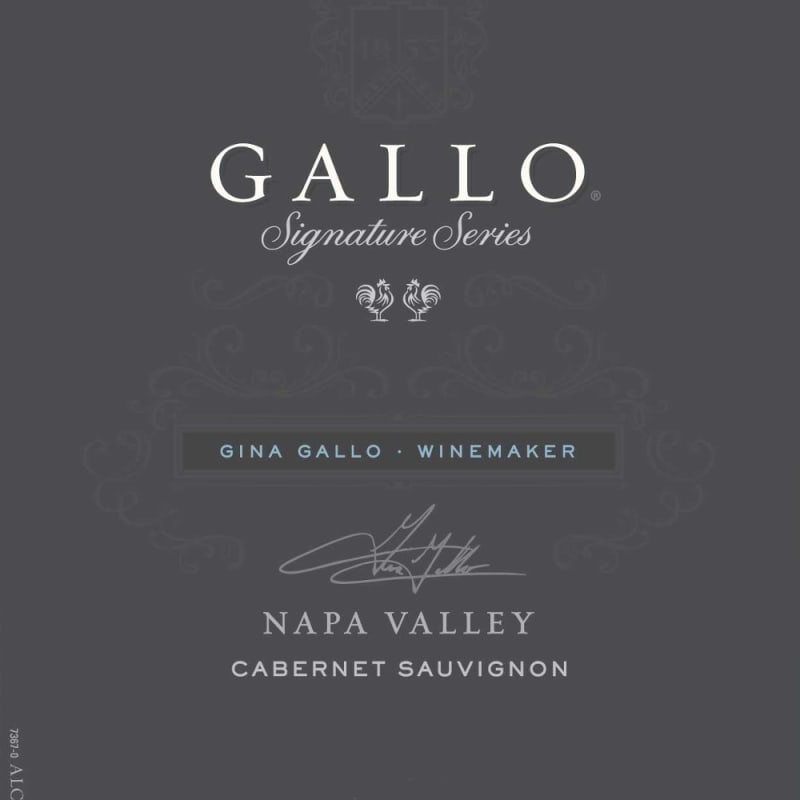

Winemaker Notes
Professional Ratings
-
Robert Parker's Wine Advocate
Sadly, only 500 cases were produced. Another big-time winner is the 2010 Cabernet Sauvignon (9,000 cases produced), which comes from the William Hill Estate Ranch and Monte Rosso vineyards. A blend of 98% Cabernet Sauvignon and 2% Petit Verdot aged 21 months in barrel, it tips the scales at 14.8% natural alcohol. Abundant aromas of black currants, unsmoked cigar tobacco, underbrush, cedar and Christmas fruitcake jump from the glass of this dense purple-colored, deep, full-bodied, rich wine. It should drink well for 10-15+ years.
-
Decanter
Charred but elegant oak on the nose, yet in harmony with the splendid blackcurrant fruit and discreet herbaceous lift. Full, sensuous palate with an inherent core of ripe fruit, cocoa and spice.
Drink 2014–2030


While Sonoma County is acclaimed—and rightfully so—for its Chardonnays, Pinot Noirs, and Zinfandels, it also produces exceptional Cabernet Sauvignon. Of the region’s 18 American Viticultural Areas, only a handful produce top-notch Cabernet Sauvignon. These appellations include Alexander Valley, Knights Valley, Sonoma Valley and Dry Creek Valley. Sonoma Cabernet Sauvignons made in these appellations can offer a complex array of aromas and flavors. Fruit notes such as blackberry, blackcurrant, cassis, black cherry and raspberry often are accompanied by hints of graphite, dusty earth, cigar box, toast and vanilla. The varietal has a rich history in Sonoma, and some of these Cabernet Sauvignons and Cabernet-based blends rival the best from Napa Valley.