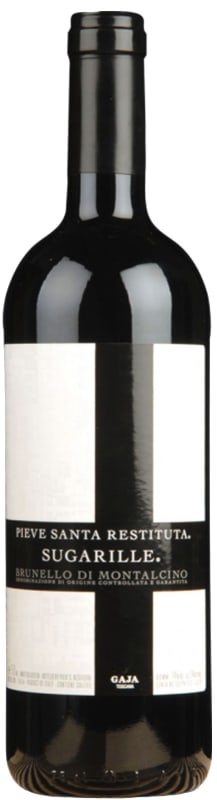


Winemaker Notes
Powerful and complex aromas of dark, ripe fruits— blackberry and plums—complemented by an intriguing note of petrichor (rain on dry earth). The palate is fresh, with silky, enveloping tannins that are both dense and elegant, showing excellent persistence. The finish is juicy with a savory touch.
Professional Ratings
-
Wine Spectator
Macerated cherry, plum, fruitcake and iron flavors signal this ripe, brooding red. Offers plenty of fruit and a glycerol texture midpalate. Backed by broad, dusty tannins, leaving a clipped feel on the gripping finish despite the lingering essence of sweet fruit. Best from 2028 through 2045.
-
Vinous
The 2020 Brunello di Montalcino Sugarille smolders with aromas of dried roses and cedar shavings alongside hints of crushed cherries, camphor and exotic spice. This is a model of purity, lifted and graceful, with ripe wild berry fruits guided by cool-toned acidity as hints of sour citrus and saline minerals build toward the close. It leaves the palate drenched in primary concentration and a layer of sweet tannins as violet inner florals and a tinge of tart blackberry fade slowly. The 2020 trades power for elegance and grace.
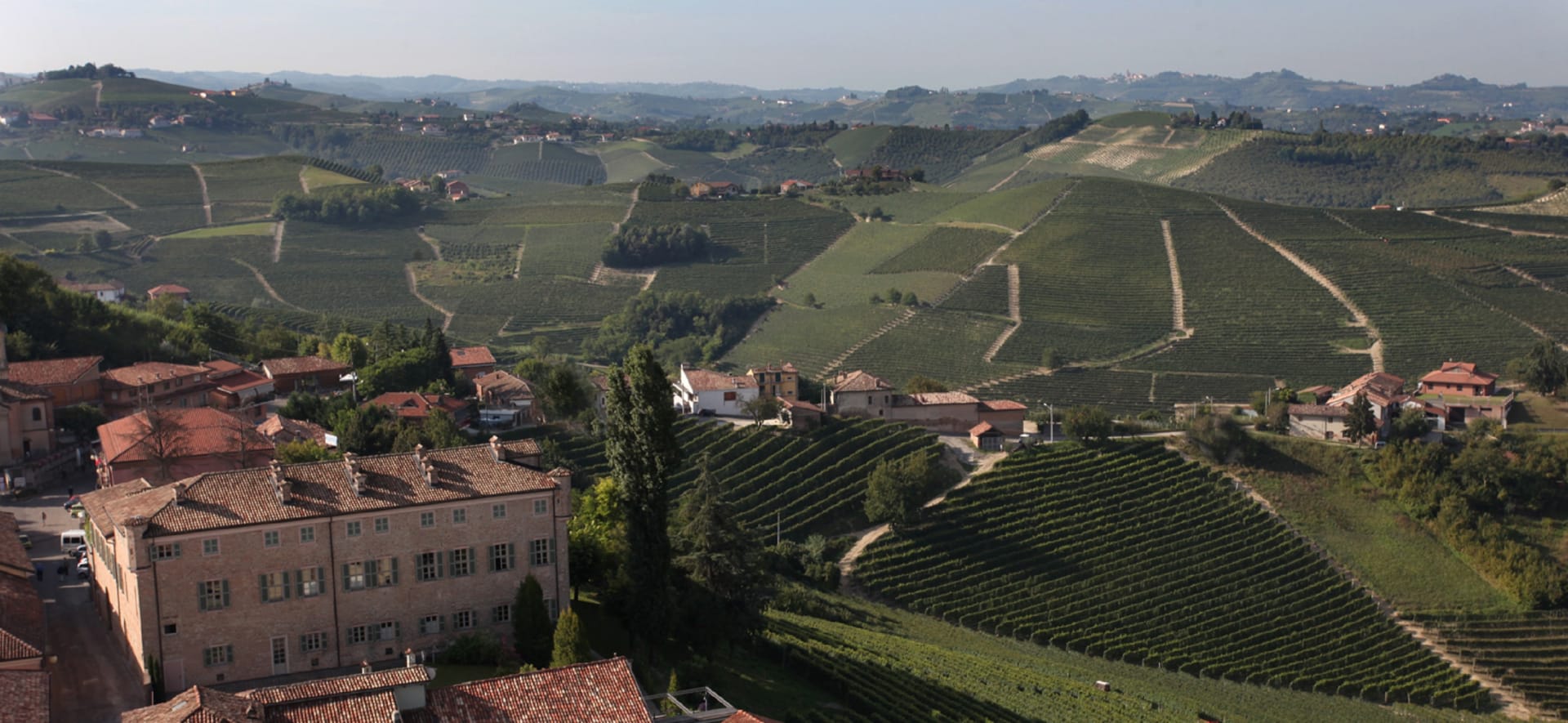


Perched atop a steep hill in the Langhe sits the small village of Barbaresco, home of the GAJA winery. The story of the GAJA Winery can be traced to a singular, founding purpose: to produce original wines with a sense of place which reflect the tradition and culture of those who made it. This philosophy has inspired five generations of impeccable winemaking. It started over 150 years ago when Giovanni Gaja opened a small restaurant in Barbaresco, making wine to complement the food he served. In 1859, he founded the Gaja Winery, producing some of the first wine from Piedmont to be bottled and sold outside the region. Since that time, the winery has been shaped by each generation’s hand, notably that of Clotilde Rey, Angelo Gaja’s grandmother. Her passion for uncompromising quality influenced and informed Angelo Gaja. Through Angelo, these values have become the cornerstone of the GAJA philosophy and are engrained in every aspect of wine production
In 1961, Angelo Gaja began his mission of bringing this great winery to an even higher level. He was the first to use barriques, 225-liter French oak barrels. Under his direction, GAJA pioneered the production of single-vineyard designated wines and was the first to plant Cabernet Sauvignon, Chardonnay and Sauvignon Blanc varietals in Piedmont. He was also instrumental in elevating the native Nebbiolo grape to world-class esteem.
Angelo Gaja is joined by the fifth generation of the GAJA family – his daughters Gaia and Rossana and his son Giovanni. Together they continue to advance the winery’s legacy. To fully realize their vision, all GAJA wines are produced exclusively from grapes grown in estate-owned vineyards, including 250 acres in Piedmont’s Barbaresco and Barolo districts as well as estates in Pieve Santa Restituta (Montalcino) and Ca’Marcanda (Bolgheri). It is from these storied vineyards, and their terroir – the combination of soil, weather and vines that grow upon them, that GAJA wines reveal their true heart and soul.

Among Italy's elite red grape varieties, Sangiovese has the perfect intersection of bright red fruit and savory earthiness and is responsible for the best red wines of Tuscany. While it is best known as the chief component of Chianti, it is also the main grape in Vino Nobile di Montepulciano and reaches the height of its power and intensity in the complex, long-lived Brunello di Montalcino. Somm Secret—Sangiovese doubles under the alias, Nielluccio, on the French island of Corsica where it produces distinctly floral and refreshing reds and rosés.

Famous for its bold, layered and long-lived red, Brunello di Montalcino, the town of Montalcino is about 70 miles south of Florence, and has a warmer and drier climate than that of its neighbor, Chianti. The Sangiovese grape is king here, as it is in Chianti, but Montalcino has its own clone called Brunello.
The Brunello vineyards of Montalcino blanket the rolling hills surrounding the village and fan out at various elevations, creating the potential for Brunello wines expressing different styles. From the valleys, where deeper deposits of clay are found, come wines typically bolder, more concentrated and rich in opulent black fruit. The hillside vineyards produce wines more concentrated in red fruits and floral aromas; these sites reach up to over 1,600 feet and have shallow soils of rocks and shale.
Brunello di Montalcino by law must be aged a minimum of four years, including two years in barrel before realease and once released, typically needs more time in bottle for its drinking potential to be fully reached. The good news is that Montalcino makes a “baby brother” version. The wines called Rosso di Montalcino are often made from younger vines, aged for about a year before release, offer extraordinary values and are ready to drink young.