


Winemaker Notes
Delicate nose, with hints of cherry compote, mint, marzipan, sweet and spicy notes of ginger, and pepper. In the mouth it is delicate, ethereal and elegant, with very sweet and spicy tannin, notes of wild mint and a long, lingering finish.
Professional Ratings
-
James Suckling
This is a really enticing wine with an open and vivid nature that tells you right away it is Barolo, but it’s polished and sweetly tannic. You want to taste and taste. It’s medium- to full-bodied with rounded tannins and a savory finish. Juicy and so approachable now. Better in a couple of years, but hard to resist now. Try after 2026.
-
Jeb Dunnuck
The Serralunga power comes through in the 2020 Barolo Conteisa. Boasting a jeweled, shimmering ruby color, it’s ripe and expressive with pristine notes of strawberry preserve, balsamic herbs, candied flowers, and sweet tobacco. It offers a lot of ripe sapidity on the palate, with a resinous quality, a touch of warmth, a rounded feel, and great length. It’s fairly approachable now, but it’s going to have the structure to last over the long haul, 20 years or so.
-
Robert Parker's Wine Advocate
The Gaja 2020 Barolo Conteisa offers subdued and unexpected elegance with great finesse and detailing. You might expect more concentration and power from this hot vintage; however, it instead reveals complexity over a lower overall intensity threshold. "The 2020 vintage offers a classic Nebbiolo profile," says Giovanni Gaja. He compares 2020 to upcoming vintages, describing 2021 as a vintage of power and 2022 as a vintage of concentration. The Conteisa with fruit from the Cerequio MGA shows a dark ruby hue with vibrant notes of wild cherry, crushed mint, dusty limestone and pressed violets. The tannins are especially elegant and fine.
-
Vinous
The 2020 Barolo Conteisa is fabulous. Once again, Conteisa makes a very strong case for itself as the most improved wine at Gaja. Sensual, silky tannins and lifted aromatics capture the pinnacle of finesse. Medium in body, gracious and impeccable in its balance, Conteisa is stunning in its beauty. In the past, I had always considered Conteisa the lesser of the Gaja Barolos, but that is no longer the case.
-
Wine Enthusiast
This Barolo opens with captivating aromas of cherries and ripe strawberries that intermingle with savory aromas of dried herbs and a touch of earthiness. The palate unveils a medley of baked cranberries and stewed spiced plums, complemented by sweet and savory spices. The firm and taut structure showcases the wine's inherent elegance and power, exemplifying the hallmark characteristics of the esteemed house and wine. Drink from 2028.
Cellar Selection -
Wine Spectator
This spicy, cherry-scented red offers a lacy texture and elegant profile, with cherry, strawberry, eucalyptus, anise, iron and wild herb flavors driven by bracing acidity. Balanced overall, extending on the resonant finish. Best from 2027 through 2048.
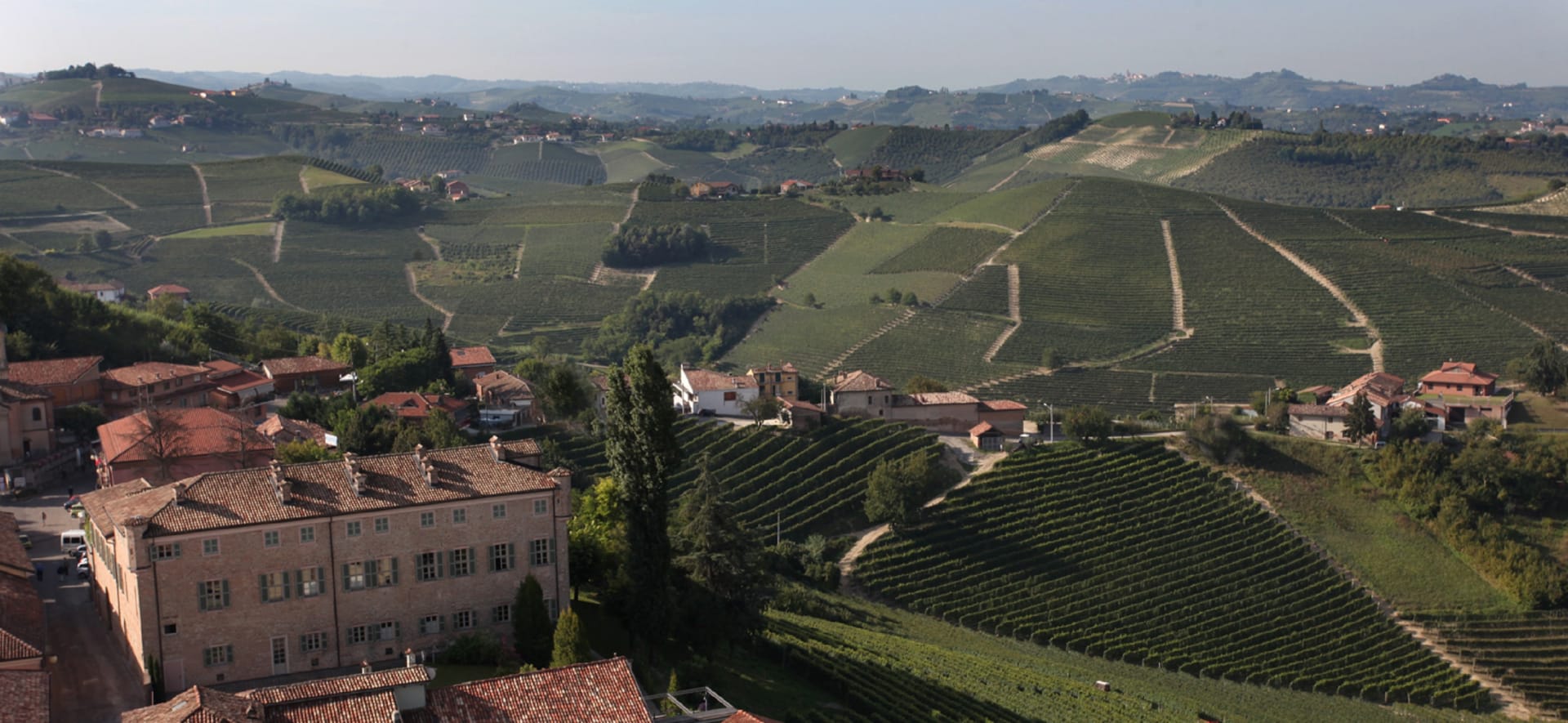


Perched atop a steep hill in the Langhe sits the small village of Barbaresco, home of the GAJA winery. The story of the GAJA Winery can be traced to a singular, founding purpose: to produce original wines with a sense of place which reflect the tradition and culture of those who made it. This philosophy has inspired five generations of impeccable winemaking. It started over 150 years ago when Giovanni Gaja opened a small restaurant in Barbaresco, making wine to complement the food he served. In 1859, he founded the Gaja Winery, producing some of the first wine from Piedmont to be bottled and sold outside the region. Since that time, the winery has been shaped by each generation’s hand, notably that of Clotilde Rey, Angelo Gaja’s grandmother. Her passion for uncompromising quality influenced and informed Angelo Gaja. Through Angelo, these values have become the cornerstone of the GAJA philosophy and are engrained in every aspect of wine production
In 1961, Angelo Gaja began his mission of bringing this great winery to an even higher level. He was the first to use barriques, 225-liter French oak barrels. Under his direction, GAJA pioneered the production of single-vineyard designated wines and was the first to plant Cabernet Sauvignon, Chardonnay and Sauvignon Blanc varietals in Piedmont. He was also instrumental in elevating the native Nebbiolo grape to world-class esteem.
Angelo Gaja is joined by the fifth generation of the GAJA family – his daughters Gaia and Rossana and his son Giovanni. Together they continue to advance the winery’s legacy. To fully realize their vision, all GAJA wines are produced exclusively from grapes grown in estate-owned vineyards, including 250 acres in Piedmont’s Barbaresco and Barolo districts as well as estates in Pieve Santa Restituta (Montalcino) and Ca’Marcanda (Bolgheri). It is from these storied vineyards, and their terroir – the combination of soil, weather and vines that grow upon them, that GAJA wines reveal their true heart and soul.

Responsible for some of the most elegant and age-worthy wines in the world, Nebbiolo, named for the ubiquitous autumnal fog (called nebbia in Italian), is the star variety of northern Italy’s Piedmont region. Grown throughout the area, as well as in the neighboring Valle d’Aosta and Valtellina, it reaches its highest potential in the Piedmontese villages of Barolo, Barbaresco and Roero. Outside of Italy, growers are still very much in the experimentation stage but some success has been achieved in parts of California. Somm Secret—If you’re new to Nebbiolo, start with a charming, wallet-friendly, early-drinking Langhe Nebbiolo or Nebbiolo d'Alba.

The center of the production of the world’s most exclusive and age-worthy red wines made from Nebbiolo, the Barolo wine region includes five core townships: La Morra, Monforte d’Alba, Serralunga d’Alba, Castiglione Falletto and the Barolo village itself, as well as a few outlying villages. The landscape of Barolo, characterized by prominent and castle-topped hills, is full of history and romance centered on the Nebbiolo grape. Its wines, with the signature “tar and roses” aromas, have a deceptively light garnet color but full presence on the palate and plenty of tannins and acidity. In a well-made Barolo wine, one can expect to find complexity and good evolution with notes of, for example, strawberry, cherry, plum, leather, truffle, anise, fresh and dried herbs, tobacco and violets.
There are two predominant soil types here, which distinguish Barolo from the lesser surrounding areas. Compact and fertile Tortonian sandy marls define the vineyards farthest west and at higher elevations. Typically the Barolo wines coming from this side, from La Morra and Barolo, can be approachable relatively early on in their evolution and represent the “feminine” side of Barolo, often closer in style to Barbaresco with elegant perfume and fresh fruit.
On the eastern side of the Barolo wine region, Helvetian soils of compressed sandstone and chalks are less fertile, producing wines with intense body, power and structured tannins. This more “masculine” style comes from Monforte d’Alba and Serralunga d’Alba. The township of Castiglione Falletto covers a spine with both soil types.
The best Barolo wines need 10-15 years before they are ready to drink, and can further age for several decades.