


Winemaker Notes
This zesty Rosé is made in very small quantities due to the rarity of the red Hondarrabi Beltz grape, a relative of Cabernet Franc, that gives the color.
Blend: 50% Hondarrabi Zuri, 50% Hondarrabi Beltza
Professional Ratings
-
Wine Enthusiast
This light apricot-colored wine has a nose of guava, mango and sliced ginger. It is ever so slightly effervescent on the palate, offering vibrant acidity, a medium texture and lemon-lime, nectarine, sage leaf and briny green-olive flavors.
-
Decanter
Intense floral and green fruit aromas. The palate has crisp acidity and a grapefruit rind note. Long finish.

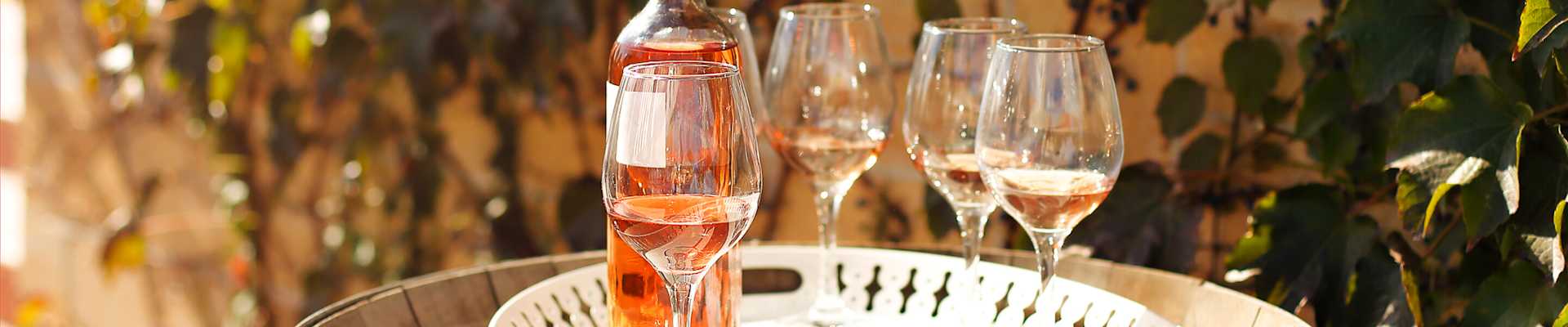
Whether it’s playful and fun or savory and serious, most rosé today is not your grandmother’s White Zinfandel, though that category remains strong. Pink wine has recently become quite trendy, and this time around it’s commonly quite dry. Since the pigment in red wines comes from keeping fermenting juice in contact with the grape skins for an extended period, it follows that a pink wine can be made using just a brief period of skin contact—usually just a couple of days. The resulting color depends on grape variety and winemaking style, ranging from pale salmon to deep magenta.

On the southern edge of the rocky Bay of Biscay in northern Spain, this is Basque country and home to the refreshing and slightly effervescent (usually) white wine, Txakoli. Three subregions compose the larger one: Getariako Txakolina, Bizkaiko Txakolina and Arabako Txakolina. While Hondarribi Zuri and Hondarrabi Beltza are the main grape varieties, other French varieties are scattered throughout the region.