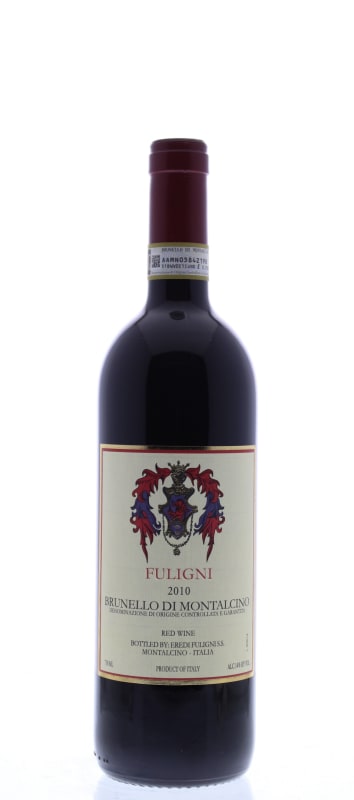


Winemaker Notes
Pairs well with rich, structured dishes, such as red meat, game, seasoned cheeses.
Professional Ratings
-
James Suckling
I really appreciate the dark-berry and burnt-orange aromas that follow through to a full body, very integrated tannins and a ripe, juicy fruit character. Savory, succulent and salty. Hints of chocolate and salted nuts. So juicy and gorgeous. A fabulous red. Drink now but also hold for years ahead.
-
Wine Enthusiast
This opens with aromas of blue flower, red berry, menthol and baking spice. The delicious palate delivers juicy red cherry, crushed plum, cinnamon, white pepper and mineral. Impeccably balanced with polished tannins and freshness, it impresses for its combination of intensity and elegance. Drink 2018–2028.
-
Wine Spectator
A bright, spice-laden version, with macerated cherry, strawberry, tobacco and earth flavors. The ample tannins add structure, yet the lasting impression is of sweet fruit and refinement. Best from 2018 through 2032. 2,500 cases made.


Among Italy's elite red grape varieties, Sangiovese has the perfect intersection of bright red fruit and savory earthiness and is responsible for the best red wines of Tuscany. While it is best known as the chief component of Chianti, it is also the main grape in Vino Nobile di Montepulciano and reaches the height of its power and intensity in the complex, long-lived Brunello di Montalcino. Somm Secret—Sangiovese doubles under the alias, Nielluccio, on the French island of Corsica where it produces distinctly floral and refreshing reds and rosés.

Famous for its bold, layered and long-lived red, Brunello di Montalcino, the town of Montalcino is about 70 miles south of Florence, and has a warmer and drier climate than that of its neighbor, Chianti. The Sangiovese grape is king here, as it is in Chianti, but Montalcino has its own clone called Brunello.
The Brunello vineyards of Montalcino blanket the rolling hills surrounding the village and fan out at various elevations, creating the potential for Brunello wines expressing different styles. From the valleys, where deeper deposits of clay are found, come wines typically bolder, more concentrated and rich in opulent black fruit. The hillside vineyards produce wines more concentrated in red fruits and floral aromas; these sites reach up to over 1,600 feet and have shallow soils of rocks and shale.
Brunello di Montalcino by law must be aged a minimum of four years, including two years in barrel before realease and once released, typically needs more time in bottle for its drinking potential to be fully reached. The good news is that Montalcino makes a “baby brother” version. The wines called Rosso di Montalcino are often made from younger vines, aged for about a year before release, offer extraordinary values and are ready to drink young.