


Winemaker Notes
Sparkling sake made through secondary fermentation in bottle. Toji Miho Imada uses a little white koji in this sake, resulting in citrus notes and refreshing finish.
Crisp notes of lemon-lime and apple aromas with a soft, frothy finish.
Pairs well with seafood. Try with oysters, shellfish, or fruit-based desserts.
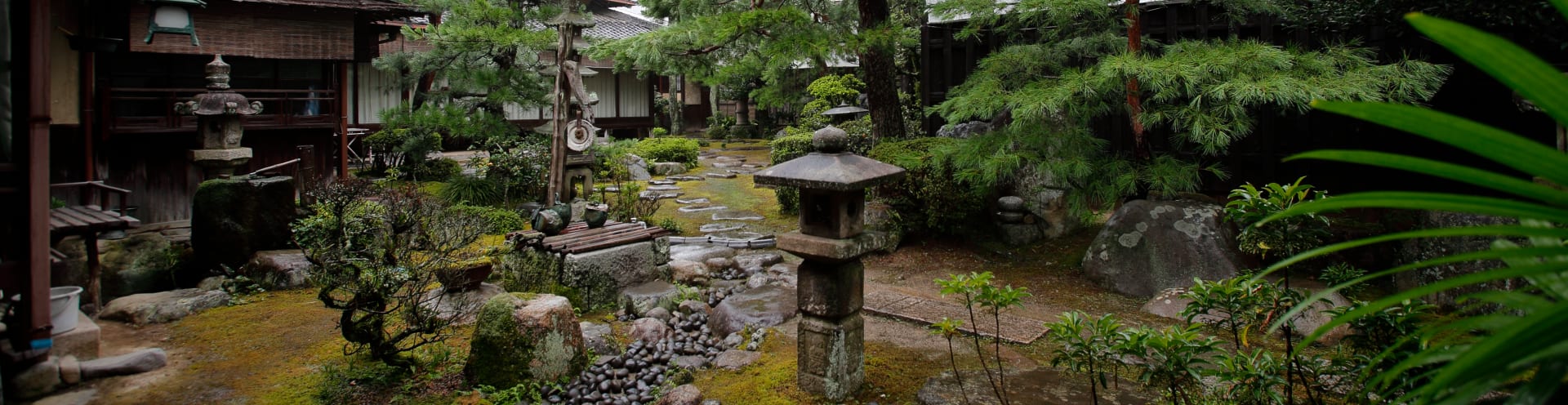


The brewery was founded in the first year of the Meiji Restoration, 1868, in Akitsu in Hiroshima Prefecture. Akitsu has the oldest sake-brewing history in Hiroshima, stretching back 400 years. Akitsu, which faces the Inland Sea and has a population of about 13,000 people, once had 17 sake breweries, but now there are only three. Hiroshima, however, is still one of the most significant sake-brewing regions in Japan, and is consistently among the top six prefectures nationwide in terms of annual sake production. Historically, the prefecture has always won many awards for its sake, and on occasion has even swept the top three awards in the country. The sake they brew here at Imada Shuzo, called Fukucho, is very representative of this great Hiroshima style.
The Sake
In general Fukucho sake is soft, clean and smooth, with a solid, lively fragrance. It is also a tad on the drier side. A full 60% of what they make is ginjo-shu; few places can say that. One major factor contributing to the taste and feel of the sake is the water. Water in this region in very, very soft in comparison to most sake-brewing regions in Japan. It melts and absorbs into the palate, taking flavor and fragrance with it, in a very unique way.

Sparkling saké, or "awa-zake," is an increasingly popular category due to its refreshing, lighter flavor profile and lower alcohol content. Sparkling saké is most commonly Ginjo or Daiginjo grade and can gain its effervescence through different methods. The easiest method is by injecting carbon dioxide to finished saké, or carbonation. The other method is natural fermentation, which allows secondary fermentation to occur by sealing the saké with the live yeast and koji in tank or in bottle, keeping carbon dioxide inside to create bubbles in a similar fashion to sparkling wine or Champagne. While a wide array of sparkling saké styles exists, it is a great place to start for saké beginners.

The introduction of the waterwheel in the 17th century, which eliminated the need for the manual polishing of rice grains, allowed Japan to begin producing saké at an industrial level for its greater population. Today Japan remains at the cutting edge of technology in its brewing practices. However, the traditional methods of handcrafted, artisanal saké remain alive in smaller and often family-owned breweries. Many of these showcase local ingredients and focus on microclimates to make what is known as ‘jizake,’ or regional saké.