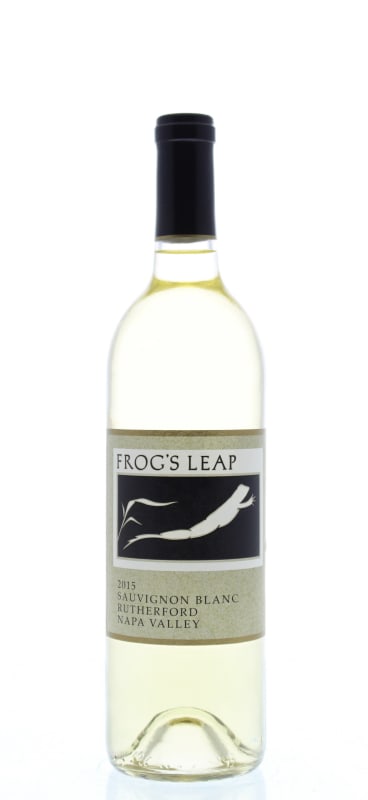


Winemaker Notes
Professional Ratings
-
Wilfred Wong of Wine.com
What a lovely wine! The 2015 Frog's Leap Sauvignon Blanc is so delicate, finely tuned and well balanced. Medium straw color; delicate ripe fruit in the aroma, showing some dried peach skin, ripe melon and aromatic flowers; medium bodied, good edginess on the palate, yet with a juiciness to keep it amicable; dry, nice acidity, well balanced; bright, ripe fruit flavors; medium finish, textured in the aftertaste. (Tasted: April 28, 2016, San Francisco, CA USA)
-
Wine & Spirits
John Williams and his team farm their certified-organic vineyards without irrigation, and maintained that regimen in 2015 despite a protracted drought. The result is a refreshing and clean wine with tight flavors of grapefruit and lime-like acidity. The citrus-blossom scents last along with the tart fruit. Chill it for Hog Island oysters.
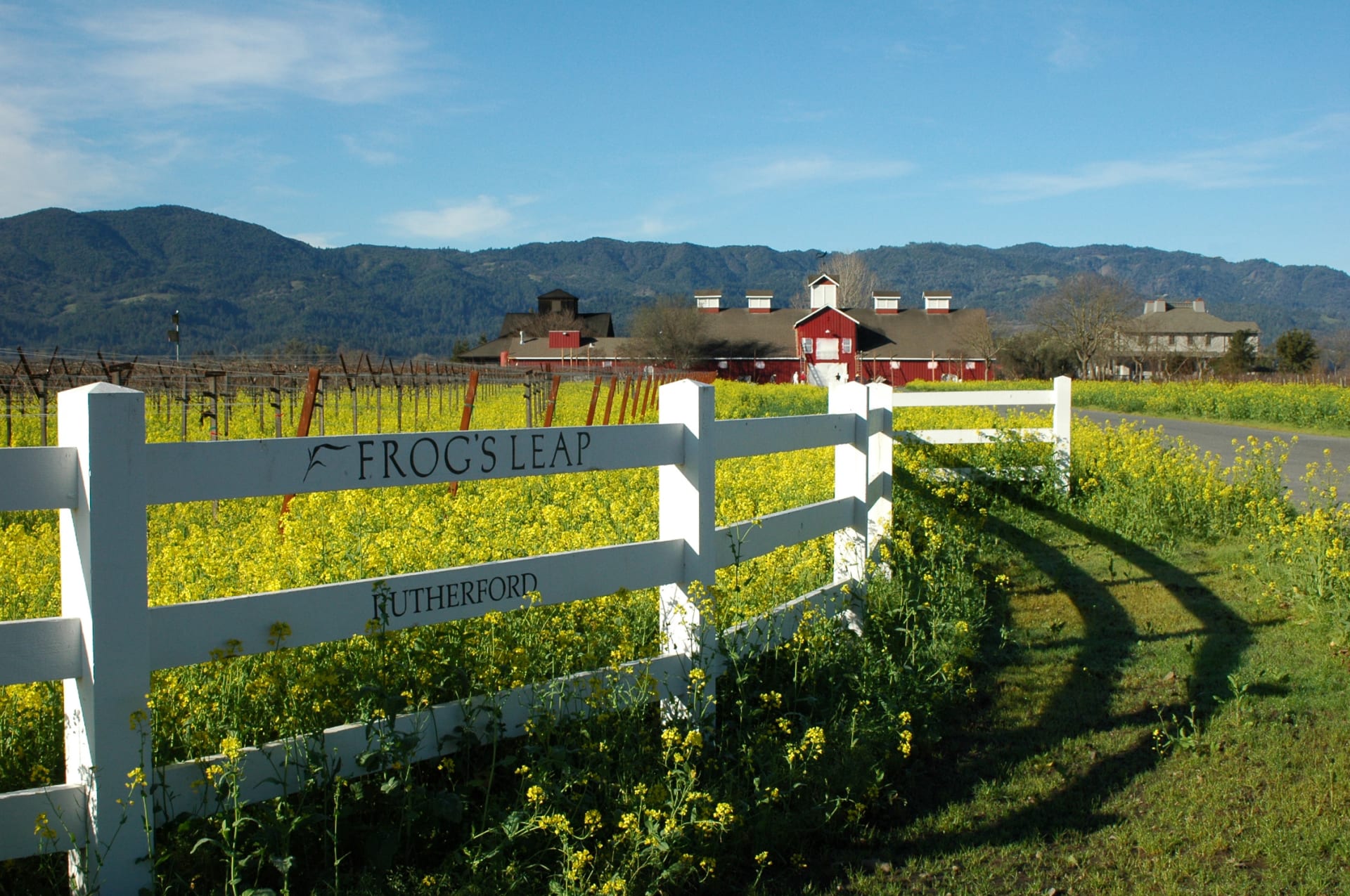



Frog's Leap is a family-owned winery dedicated to sustainable principles and committed to producing wines with balance, restraint and respect for terroir. Frog's Leap makes its home amongst 200 acres of vineyards in Rutherford at the historic ‘Red Barn’. Founded by John Williams in 1981, Frog’s Leap continues to be family-owned and operated. As the owner and winemaker, John has made every vintage for over four decades. Frog’s Leap has earned an enviable reputation for our sincere dedication to sustainable principles and our commitment to handcrafting wines. This noted ‘ghost winery’ was built in 1884 as the Adamson Winery and renovated in 1994 as Frog's Leap's permanent home. A handsome bi-level barrel chai completes the state-of-the-art winemaking facility and guests are received in the warm and welcoming LEED-certified hospitality center.
Now in its fourth decade of production, Winemakers John and Rory Williams hand-craft Sauvignon Blanc, Chardonnay, Zinfandel, Merlot, and an Estate-Grown Rutherford Cabernet Sauvignon. Using the best of Napa Valley's organically grown, dry- farmed grapes and the most traditional winemaking techniques, Frog's Leap strives to produce wines that deeply reflect the soils and climate from which they emanate. Thoughtfully shepherding both natural and earned resources, Frog’s Leap consistently returns more than it takes from the environment.
First certified by California Certified Organic Farmers (CCOF) in 1988 Frog's Leap has been a leader in the industry for decades. Fundamentally, organic farming means that if you take from the soil, you must return to the soil in equal measure. In the case of regenerative farming – a practice firmly embraced by Frog's Leap – you must return to the soil in greater measure than you take. Using a traditional approach to winemaking Frog’s Leap’s intention is to craft wines that are deeply reflective of the influences from which they emanate. Frog’s Leap makes wine of balance and restraint, with respect for the natural expression of the vine. The winery relies on techniques such as crop rotation, green manure, compost and biological pest control to maintain soil productivity and control pests on a farm. Organic farming excludes the use of manufactured fertilizers and pesticides, plant growth regulators and genetically modified organisms. Organic farming involves mechanical weed control (via cultivating or hoeing) rather than herbicidal weed control.
Frog's Leap presents a relaxed approach to enjoying wine. An easy hospitality and warm sense of humor is juxtaposed with a more serious sensibility when making wine. The wines produced range from Cabernet Sauvignon and Chardonnay to Zinfandel and Sauvignon Blanc. The winery has quite the line up to offer and hope you’ll try one of these delicious wines that harmoniously combine quality, sustainability and value.

Capable of a vast array of styles, Sauvignon Blanc is a crisp, refreshing variety that equally reflects both terroir and varietal character. Though it can vary depending on where it is grown, a couple of commonalities always exist—namely, zesty acidity and intense aromatics. This variety is of French provenance. Somm Secret—Along with Cabernet Franc, Sauvignon Blanc is a proud parent of Cabernet Sauvignon. That green bell pepper aroma that all three varieties share is no coincidence—it comes from a high concentration of pyrazines (herbaceous aromatic compounds) inherent to each member of the family.

One of the world's most highly regarded regions for wine production as well as tourism, the Napa Valley was responsible for bringing worldwide recognition to California winemaking. In the 1960s, a few key wine families settled the area and hedged their bets on the valley's world-class winemaking potential—and they were right.
The Napa wine industry really took off in the 1980s, when producers scooped up vineyard lands and planted vines throughout the county. A number of wineries emerged, and today Napa is home to hundreds of producers ranging from boutique to corporate. Cabernet Sauvignon is definitely the grape of choice here, with many winemakers also focusing on Bordeaux blends. White wines from Napa Valley are usually Chardonnay and Sauvignon Blanc.
Within the Napa Valley lie many smaller sub-AVAs that claim specific wine characteristics based on situation, slope and soil. Farthest south and coolest from the influence of the San Pablo Bay is Carneros, followed by Coombsville to its northeast and then Yountville, Oakville and Rutherford. Above those are the warm St. Helena and the valley's newest and hottest AVA, Calistoga. These areas follow the valley floor and are known generally for creating rich, dense, complex and smooth red wines with good aging potential. The mountain sub appellations, nestled on the slopes overlooking the valley AVAs, include Stags Leap District, Atlas Peak, Chiles Valley (farther east), Howell Mountain, Mt. Veeder, Spring Mountain District and Diamond Mountain District. Napa Valley wines from the mountain regions are often more structured and firm, benefiting from a lot of time in the bottle to evolve and soften.