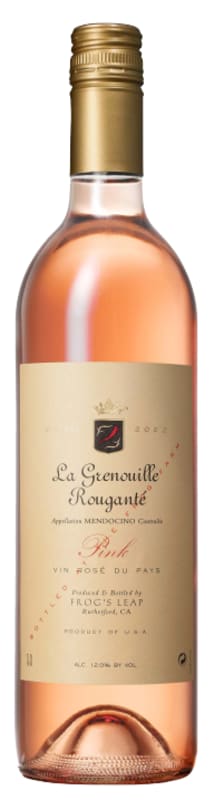


Winemaker Notes
Grapes were loaded whole-cluster and immediately pressed to tank, giving the wine a faint pale pink color—the namesake of the wine. Bracing acidity and bright flavors give the fruity essence of the wine a ton of lift, with depth of character from the old vines and ample time on the lees.
Rosé is obviously the perfect accompaniment to summer barbeques and hot days, but don’t be afraid to hang on to a couple of bottles for Thanksgiving, where the acidity can help cut through a long, rich meal.


Whether it’s playful and fun or savory and serious, most rosé today is not your grandmother’s White Zinfandel, though that category remains strong. Pink wine has recently become quite trendy, and this time around it’s commonly quite dry. Since the pigment in red wines comes from keeping fermenting juice in contact with the grape skins for an extended period, it follows that a pink wine can be made using just a brief period of skin contact—usually just a couple of days. The resulting color depends on grape variety and winemaking style, ranging from pale salmon to deep magenta.

A large and diverse appellation within California’s North Coast AVA, Mendocino is home to several smaller sub-regions—most notably the Anderson Valley. This scenic region, with rolling hills covered in redwood forests as well as vineyards, is one of the world’s top producers of certified organically-grown grapes. Due to wide geographical and climatic variation, a vast array of wine styles can be found here.