


Winemaker Notes
Wines are aged in barrels of varying age and toast and then blended in order to achieve optimum balance and complexity. The domaine ages its wines in wooden casks for between 14 to 17 months. Critics agree that it is the balance and complexity that make Domaine Frédéric Esmonin stand out.
Professional Ratings
-
Wilfred Wong of Wine.com
COMMENTARY: The 2018 Frédéric Esmonin Côte de Nuits-Villages La Belle Vue is on point for immediate pleasure. TASTING NOTES: This wine sports aromas and flavors of red and black fruits. A touch of savory spices should complement a serving of roast chicken and arugula. (Tasted: August 13, 2020, San Francisco, CA)
-
Wine Spectator
Notable for its purity, this red offers a core of bright cherry, raspberry and currant flavors, with grace notes of tobacco, earth and spices. It's sleek and well-defined by the resonant structure. Drink now through 2024. 100 cases imported.


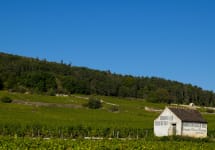
Domaine Frédéric Esmonin, from Burgundy's Gevrey-Chambertain appellation, is a true family collaboration that consists of Frederic, his father, André, and his mother, Michele. They have been farming their 10-acres of family vineyards for generations and selling their fruit to the likes of Drouhin, Jadot, and Leroy. In 1988 they began to commercialize their own labels today they are producing consistently high-quality, beautiful wines that represent a great value considering their pedigree.
Access to some of the best vineyard plots in the region is Esmonin’s greatest fortunes. Today they have Grand Cru parcels and Premier Cru parcel in some of the regions top vineyard sites. And since the best Burgundy wines start with the best grapes, Esmonin uses their decades of farming experience to optimize these plots. But farming is only part of what they do well. Esmonin also employs winemaking techniques that are gentle to the grapes and produce the finest possible quality level. Using a new bladder-press, Esmonin has excellent control over the amount of pressure exerted on the grapes, which are picked only when they have reached ideal ripeness. After a short cold maceration gives the wines an extra dimension of fruit, they are aged in carefully selected French oak barrels of Allier and Nevers forest wood made by Radoux and Berthomieu, two of the very best coopers. Wines are aged in barrels of varying age and toast and then blended in order to achieve optimum balance and complexity. The Domaine ages its wines in wooden casks for between 14 to 17 months. Typically, the grand cru and Lavaut Saint-Jacques Premier Cru wines see 80 percent new oak, whereas the village-level wines are aged in 20 percent new oak.

Thin-skinned, finicky and temperamental, Pinot Noir is also one of the most rewarding grapes to grow and remains a labor of love for some of the greatest vignerons in Burgundy. Fairly adaptable but highly reflective of the environment in which it is grown, Pinot Noir prefers a cool climate and requires low yields to achieve high quality. Outside of France, outstanding examples come from in Oregon, California and throughout specific locations in wine-producing world. Somm Secret—André Tchelistcheff, California’s most influential post-Prohibition winemaker decidedly stayed away from the grape, claiming “God made Cabernet. The Devil made Pinot Noir.”

Bordering the most famous villages of the Côte de Nuits are the vineyards captured by the Côte de Nuits Villages name, which are essentially the vineyards within the commune appellation status. Wines from Fixin, Brochon, Prémeaux, Comblanchien and Corgoloin may be sold as Côte de Nuits-Villages. Typically these are red wines but whites can also hold the name.
Reds, exclusively of Pinot Noir, veer towards an intense garnet hue with characteristics of cherry, gooseberry or blackcurrant with notes of underbrush, wet earth and baking spices. Whites, made from Chardonnay, are fragrant, lively and fresh on the palate with apple, pear, fig or quince flavors.